
During economic downturns, consumer spending habits shift, but certain digital products continue to thrive. Despite the financial strain, some digital offerings maintain their appeal, thanks to their inherent value and convenience. Understanding which products endure and why they resonate with consumers during tough times can provide insights into recession-proof strategies.
Understanding Recession-Proof Digital Products
Recession-proof digital products possess distinct characteristics that make them appealing even when discretionary spending tightens. These products often deliver essential value, enhance productivity, or provide affordable entertainment, making them indispensable during economic slowdowns. The ability to adapt and maintain relevance in fluctuating economic conditions is key to their resilience.
Consumer behavior shifts significantly during downturns, with a heightened focus on value for money and utility. People tend to prioritize purchases that either save them money in the long run, improve their skills for better job opportunities, or provide necessary escapism. Digital products that cater to these needs naturally become more attractive. Moreover, digital platforms offer the convenience of access from anywhere, often at a lower cost than their physical counterparts, making them favorable choices.
By offering solutions that align with the changing priorities of consumers, digital products can remain relevant. A study on recession-proof products highlights how adaptation to consumer needs can bolster a product’s success. Understanding and leveraging these consumer behavior changes is crucial for businesses looking to thrive during recessions.
Digital Learning Platforms

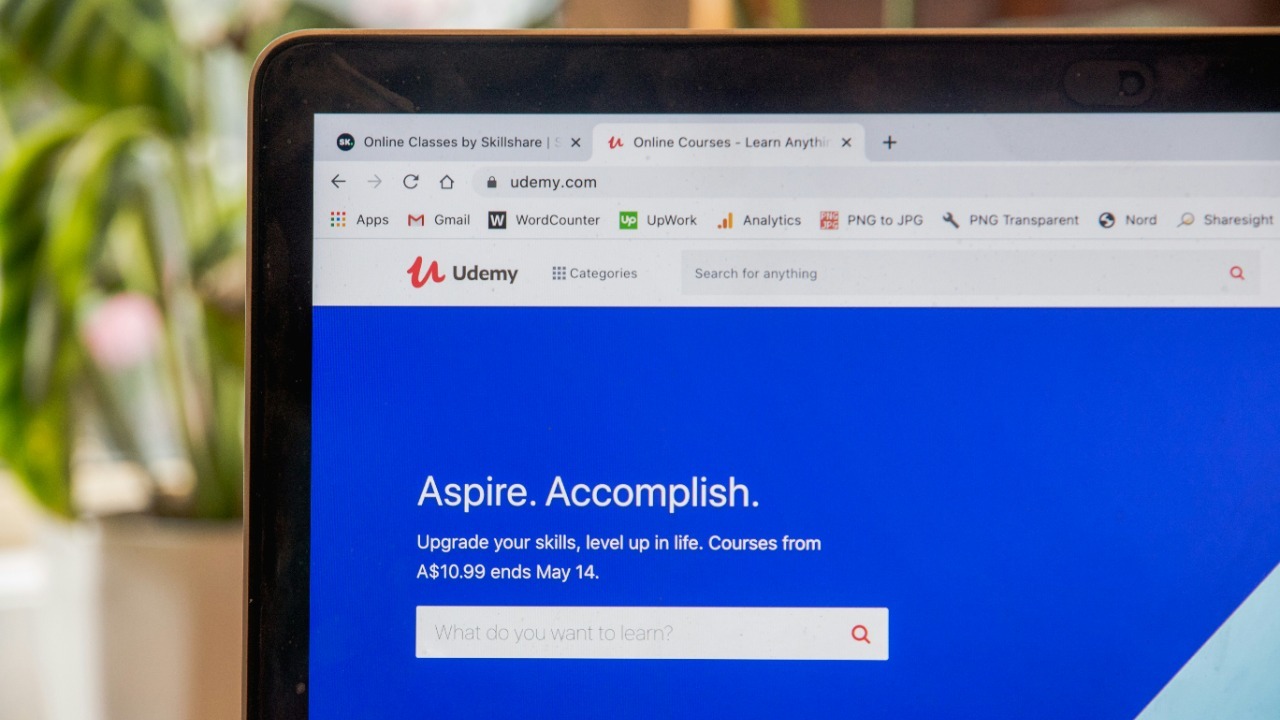
The rise of digital learning platforms is a testament to how education and skill-building tools have become essential during challenging economic times. Platforms like Coursera, Udemy, and LinkedIn Learning have seen a surge in enrollment as individuals seek to enhance their skills for career advancement or pivot to new fields. The flexibility and variety offered by these platforms allow users to learn at their own pace, making them an attractive option for many.
During a recession, the need to stay competitive in the job market becomes more pressing. Digital learning platforms provide accessible, affordable education options that can be crucial for career development. Courses in technology, business, and personal development are particularly popular, reflecting the market’s demand for skills that can lead to immediate employment opportunities. For educational content creators, understanding these trends and creating targeted courses can open up new revenue streams and help them capitalize on the growing demand.
Moreover, online education platforms are continuously innovating to meet the needs of their users. By integrating interactive elements, personalized learning paths, and real-world projects, they enhance user engagement and learning outcomes. This focus on user experience is essential for sustaining growth and meeting the evolving demands of learners during economic downturns.
Entertainment and Media Streaming

Entertainment and media streaming services such as Netflix, Disney+, and Spotify have experienced significant subscriber growth during economic downturns. With more people staying home and seeking affordable entertainment options, these platforms offer a diverse range of content that caters to varied tastes. The convenience of accessing a vast library of movies, series, and music at a relatively low cost makes them appealing alternatives to traditional entertainment forms.
Content variety and exclusivity are critical factors in driving consumer retention. Platforms that offer unique content, such as exclusive series or early releases, can maintain and even grow their subscriber base during financial hardships. The ability to provide viewers with a continuous stream of new and engaging content helps maintain their interest and willingness to subscribe.
Cost-effective entertainment options become particularly important during recessions. Consumers are more likely to forego expensive outings in favor of staying home, which increases the value proposition of streaming services. By understanding consumer preferences and offering tailored content, streaming platforms can continue to thrive despite economic uncertainties. The importance of these services is underscored in retail sales reports that highlight shifts in consumer spending patterns.
Health and Fitness Apps

The demand for digital health and fitness solutions has grown significantly during economic downturns, driven by an increased focus on personal well-being and cost savings. Apps like MyFitnessPal, Headspace, and Peloton offer users the ability to maintain their physical and mental health from the comfort of their homes. These platforms provide a range of features, from guided workouts and meditation sessions to nutritional tracking and personalized fitness plans.
Trends in fitness apps emphasize home workouts and mental wellness, catering to users who are looking to stay healthy without the expense of gym memberships or in-person classes. The convenience and flexibility of using an app anytime and anywhere appeal to those with busy schedules or limited resources. Furthermore, the integration of community features and social sharing options enhances user engagement and motivation.
For health app developers, focusing on user experience is crucial. By offering personalized recommendations, integrating with wearable devices, and providing real-time feedback, they can enhance user satisfaction and retention. During a recession, creating a loyal user base through exceptional service and continuous feature updates can be a significant competitive advantage. The potential for growth in this sector is also supported by research on consumer behavior in the digital health market.
E-commerce Tools and Solutions
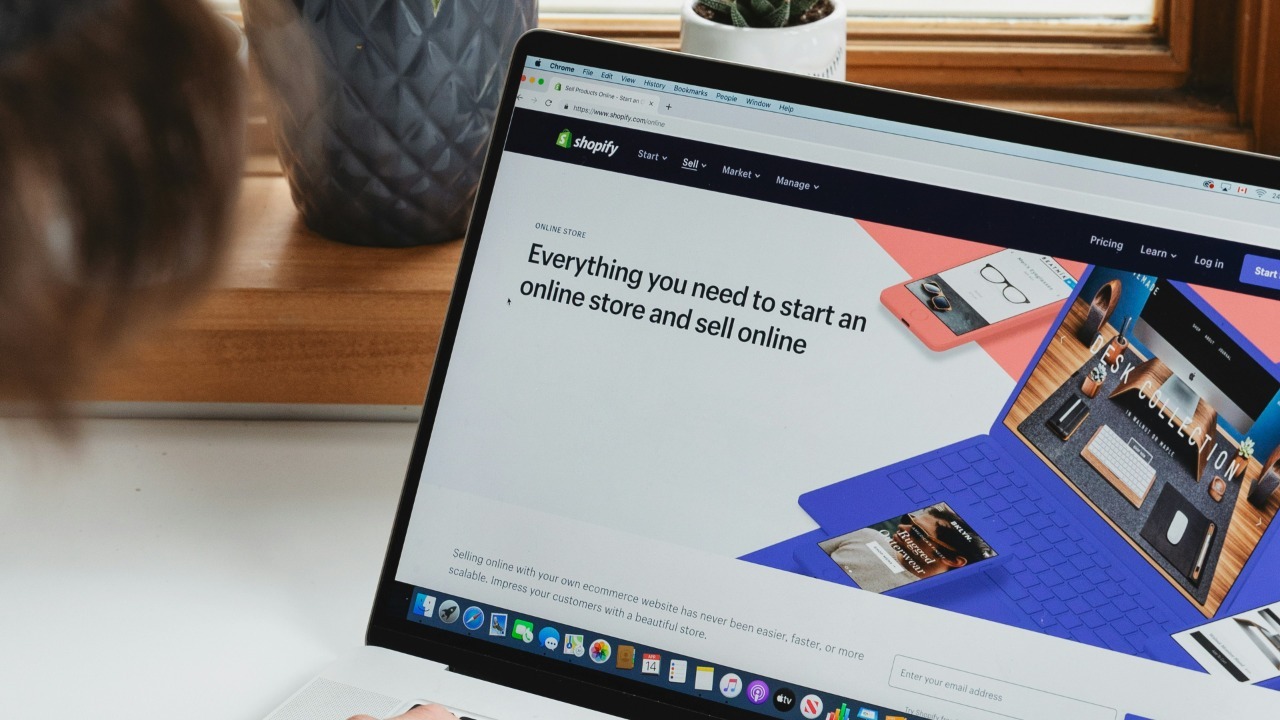
The growth of e-commerce tools and solutions during economic downturns is driven by the need for businesses to adapt to changing consumer behaviors. Platforms like Shopify, WooCommerce, and Wix enable small businesses to establish and maintain an online presence, reaching wider audiences without significant overhead costs. These tools provide essential features such as payment processing, inventory management, and customer analytics, facilitating smooth online operations.
As more consumers shift to online shopping, the demand for user-friendly and cost-effective e-commerce solutions rises. These platforms help businesses enhance their digital storefronts, optimize customer experiences, and improve operational efficiency. The ability to quickly set up and manage an online store empowers businesses to continue serving customers despite physical store closures or reduced foot traffic.
Furthermore, e-commerce platforms play a crucial role in supporting small businesses during recessions by offering affordable solutions that can scale as the business grows. By continuously innovating and integrating new technologies, such as AI-driven recommendations and personalized marketing tools, these platforms help businesses remain competitive. The importance of a robust online presence is underscored by insights from a Kiplinger report on investing during recessions.
Financial Management Software

Financial management software, including budgeting and investment apps like Mint, YNAB (You Need a Budget), and Robinhood, gain popularity during economic downturns. These tools offer consumers the ability to track expenses, manage budgets, and make informed investment decisions, all crucial during financial uncertainty. The trend towards greater financial literacy and control is a driving force behind the adoption of these apps.
Features that attract users to financial management tools include real-time financial insights, automated savings options, and customizable budgeting templates. These features help users stay on top of their financial health, reduce unnecessary spending, and identify opportunities for saving or investing. The convenience and accessibility of managing finances from a smartphone or computer further enhance their appeal.
For fintech companies, innovating to meet evolving consumer needs is essential. By offering advanced analytics, educational resources, and personalized financial advice, they can differentiate themselves in a competitive market. The ability to address consumer concerns about financial stability and provide actionable insights is a significant advantage. As highlighted in a comprehensive study, meeting these needs is key to sustaining growth during economic downturns.

Cole Whitaker focuses on the fundamentals of money management, helping readers make smarter decisions around income, spending, saving, and long-term financial stability. His writing emphasizes clarity, discipline, and practical systems that work in real life. At The Daily Overview, Cole breaks down personal finance topics into straightforward guidance readers can apply immediately.

