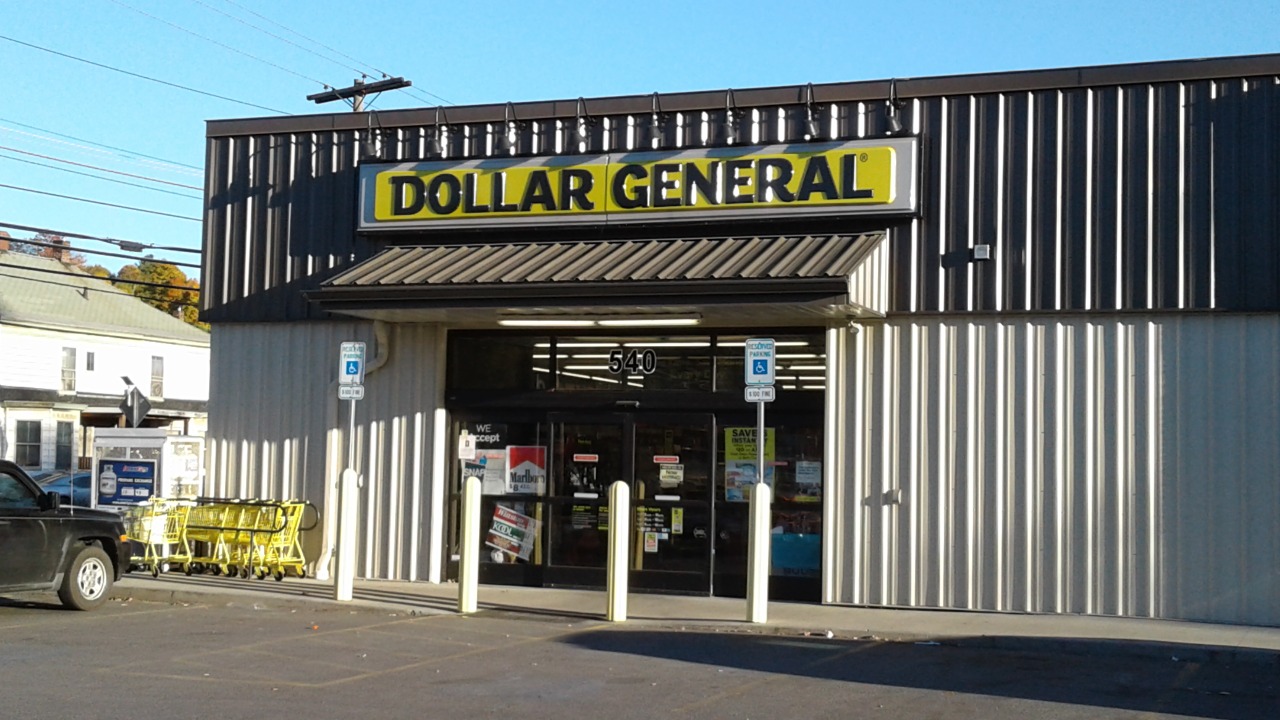
Dollar General is under mounting pressure as regulators, workers and investors converge on the same conclusion: the chain’s low-cost model has carried hidden costs for safety and staffing. After a multimillion-dollar federal penalty and a wave of employee walkouts, the company is now confronting store closures and a broader reckoning over how it operates in the communities that rely on it most. I see a retailer that once thrived on relentless expansion now being forced to justify whether its business practices can withstand sustained scrutiny.
The stakes extend far beyond one fine or a single protest. Dollar General has become a fixture in rural towns and low-income neighborhoods, and its troubles expose a deeper tension between discount pricing and the basic protections workers and shoppers expect. The latest enforcement actions and labor unrest are not isolated incidents, but part of a pattern that is reshaping how regulators, local officials and even Wall Street view the chain’s future.
Regulators escalate after years of safety violations
The $12 million federal penalty did not come out of nowhere, it capped years of warnings that Dollar General’s stores were failing basic safety tests. Federal workplace inspectors documented repeated hazards such as blocked emergency exits, merchandise stacked in unstable piles and electrical panels obstructed by inventory, all of which raised the risk of fires and injuries for employees and customers. The new settlement, which bundled hundreds of prior citations into a single nationwide agreement, signaled that regulators had lost patience with incremental fixes and wanted binding commitments on how the company manages its stores going forward, according to federal enforcement records.
Under that agreement, Dollar General accepted the $12 million fine and pledged to overhaul its safety practices in thousands of locations, including by conducting regular internal inspections, improving training and tracking hazards more systematically. The company also agreed to enhanced oversight from federal officials, who reserved the right to impose additional penalties if the same types of violations reappear in covered stores, as detailed in the settlement terms. I read that as a clear shift from case-by-case citations to a kind of probationary period, where the retailer’s ability to keep expanding is now tied directly to whether it can prove that aisles, exits and stockrooms are safe.
Worker walkouts spotlight chronic understaffing and pay
While regulators focused on fire exits and stockrooms, workers have been sounding a parallel alarm about what it takes to keep those stores running day to day. Employees in multiple states staged walkouts and coordinated protests, describing conditions where one or two people were expected to run entire locations, unload trucks, stock shelves and manage long checkout lines. In their accounts, low hourly pay and thin staffing were not just morale issues but direct contributors to the safety lapses that federal inspectors kept finding, a link that workers highlighted in their walkout organizing materials.
Organizers framed the protests as a demand for both higher wages and safer workplaces, arguing that chronic understaffing made it nearly impossible to keep aisles clear or emergency exits unobstructed during busy shifts. Some employees described being left alone in stores late at night, responsible for security as well as operations, which they said increased the risk of robberies and injuries. Those accounts, collected in worker interviews, dovetail with the pattern of violations cited by regulators and suggest that the company’s labor model is now a central fault line in its relationship with both staff and federal authorities.
Store closures and strategic pullbacks hit vulnerable communities
As enforcement and labor pressures intensified, Dollar General began closing or “pausing” locations in several markets, a shift that marked a sharp turn from its long-running strategy of opening new stores at a rapid clip. Company disclosures and local reports show that management has been reassessing underperforming sites and trimming growth targets, citing higher operating costs and the need to invest more in existing locations. In some areas, that has meant shuttering stores that had become one of the few nearby options for groceries and household essentials, a trend documented in recent financial coverage.
The impact of those closures falls hardest on rural towns and low-income neighborhoods where Dollar General had effectively replaced traditional supermarkets. Residents in affected communities have described longer drives for basic goods and higher prices at remaining retailers, underscoring how dependent local economies had become on the chain’s footprint. Analysts quoted in market reports note that the company is trying to balance cost-cutting with reputational risk, since pulling out of fragile markets after years of expansion can deepen criticism that the business model extracts value without building lasting local resilience.
Investors and analysts reassess the “ultra-lean” model
On Wall Street, the combination of regulatory penalties, labor unrest and selective closures has forced a reassessment of Dollar General’s once-celebrated “ultra-lean” operating model. Investors had long rewarded the chain for keeping labor and real estate costs low, which helped fuel rapid earnings growth as new stores opened across the country. Now, analysts tracking the company’s performance are warning that the same cost-cutting playbook is colliding with higher compliance expenses, wage pressures and the need to invest in store upgrades, as reflected in recent earnings commentary.
Some market observers argue that the $12 million fine, while material, is less significant than the operational changes it forces, since those could raise ongoing expenses in ways that permanently narrow profit margins. Others point to the risk of further walkouts or unionization efforts if workers feel that the company is not moving quickly enough on pay and staffing, a concern that has surfaced in analyst notes tying labor stability to long-term valuation. From my perspective, the core question for investors is whether Dollar General can shift from a growth-at-all-costs mindset to a more sustainable model without losing the low-price edge that drew customers in the first place.
What comes next for workers, shoppers and regulators
The next phase of Dollar General’s story will likely be defined by how effectively it turns the settlement’s requirements and worker demands into concrete changes on the ground. Regulators have already signaled that they will be watching closely, with the settlement giving them tools to revisit stores and impose additional penalties if promised improvements do not materialize. Labor organizers, for their part, have indicated that the walkouts were a starting point rather than an endpoint, and they are using the visibility from the protests to press for stronger staffing standards and wage floors, according to organizing updates.
For shoppers, the trade-offs may become more visible as some locations close while others receive upgrades in staffing and safety. Communities that lose stores will face immediate gaps in access, while those that keep them may see modest price or layout changes as the company adjusts to new compliance and labor realities. I see the current moment as a test of whether a national discount chain can remain a low-cost lifeline without treating safety and staffing as expendable line items, a tension that is now documented in both the federal settlement and the worker walkouts that helped bring these issues to a head.
More From TheDailyOverview

Grant Mercer covers market dynamics, business trends, and the economic forces driving growth across industries. His analysis connects macro movements with real-world implications for investors, entrepreneurs, and professionals. Through his work at The Daily Overview, Grant helps readers understand how markets function and where opportunities may emerge.

