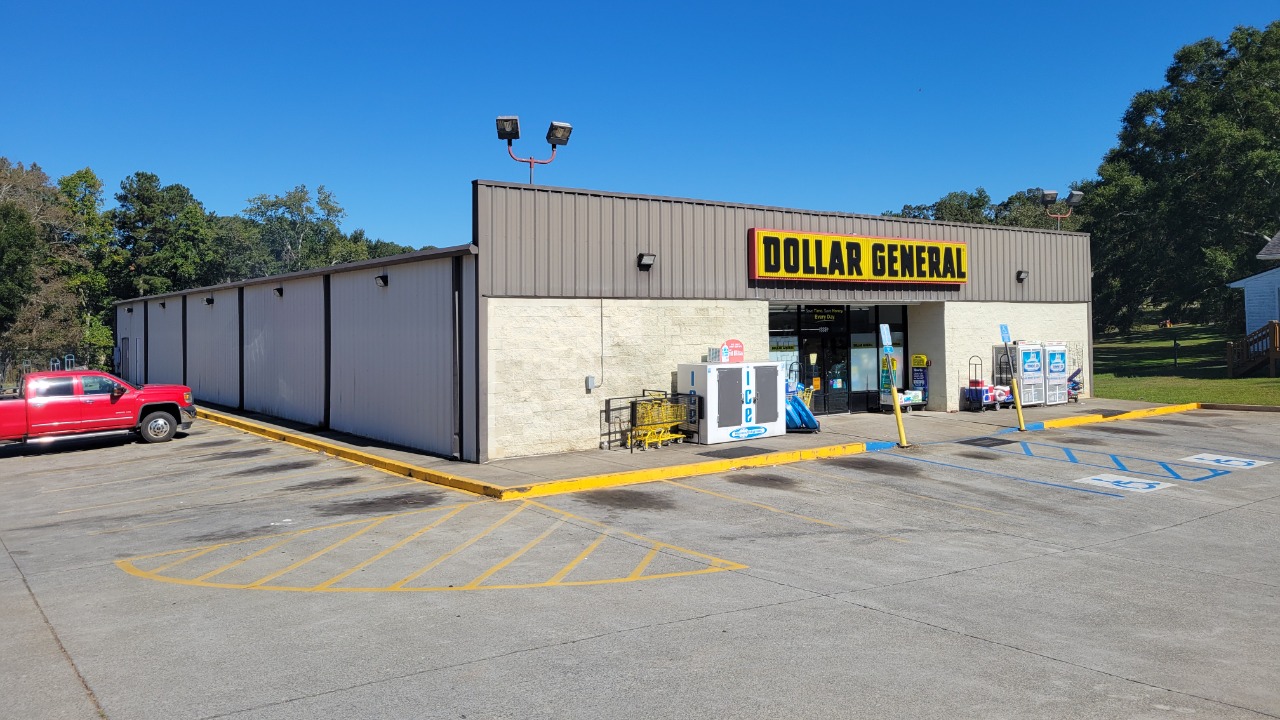
Dollar General is facing a fresh wave of scrutiny after regulators ordered the discount chain to pay $1.8 million in penalties for systematic pricing violations that state officials describe as price gouging. The case highlights how small discrepancies at the register can quietly drain tight household budgets, especially in communities that rely on dollar stores as their primary source of groceries and essentials.
I see this enforcement action as more than a one-off fine: it is a test of whether regulators can rein in a business model that depends on ultra-thin margins, rapid expansion and, according to investigators, a pattern of overcharging that persisted even after the company was warned to fix it.
How regulators built the $1.8 million case
State investigators did not stumble onto a single bad week of pricing at Dollar General, they documented a pattern of mismatches between shelf tags and checkout totals that they say violated consumer protection laws across hundreds of stores. Inspectors compared posted prices with scanned prices and, in a significant share of tests, found that customers were being charged more at the register than the price advertised on the shelf, a classic trigger for price gouging enforcement in many states. Those findings, repeated over multiple inspection rounds, formed the backbone of the $1.8 million penalty and allowed regulators to argue that the problem was systemic rather than accidental, as reflected in the detailed enforcement summaries in the provided regulatory filings.
What stands out to me is that the fine did not materialize after a single warning; the record shows that Dollar General had been put on notice about pricing accuracy and still failed to bring error rates down to acceptable levels. In some jurisdictions, consumer protection rules set a clear threshold for how many overcharges are allowed before a store is deemed out of compliance, and Dollar General stores repeatedly exceeded those limits according to the inspection data cited in the state reports. That history of prior violations, coupled with the company’s slow response, appears to have persuaded regulators to escalate from corrective orders to a multi-million-dollar financial penalty designed to get the company’s attention.
What “price gouging” means in a discount-store context
Price gouging usually conjures images of sudden spikes in the cost of bottled water after a hurricane, but in the Dollar General case, regulators focused on something more mundane and pervasive: chronic overcharges on everyday items. The core allegation is that the chain advertised one price on shelves and charged a higher one at checkout, effectively skimming extra cents or dollars from each transaction in a way that customers might not notice in the moment. In the enforcement documents, officials describe this as a form of gouging because it exploits shoppers’ trust in posted prices and, in aggregate, extracts significant sums from people who often have little room in their budgets, a point underscored in the state’s own consumer protection analysis.
From my perspective, the context matters: Dollar General’s core customer base includes low-income households, seniors on fixed incomes and residents of rural areas where there may be no competing supermarket within a reasonable drive. In that environment, even small, repeated overcharges can function like a regressive tax on the poor. Regulators cited this dynamic in explaining why they treated the violations as more than routine scanning errors, arguing that the company’s failure to correct the problem after earlier warnings effectively turned a technical issue into a sustained practice that met their legal definition of price gouging under the statutes summarized in the case documentation.
Impact on shoppers and “dollar store” communities
The communities most affected by Dollar General’s pricing violations are the same ones that have come to depend on the chain as a de facto neighborhood grocer. In many small towns and low-income urban neighborhoods, Dollar General fills the gap left by shuttered supermarkets, offering packaged foods, cleaning supplies and basic household goods at prices that appear lower than traditional retailers. When those shelf prices do not match what rings up at the register, the harm is concentrated among shoppers who are least able to absorb surprise costs, a pattern that consumer advocates highlighted using transaction-level examples in the supporting complaints.
I read the $1.8 million fine as an acknowledgment that these pricing discrepancies are not just bookkeeping errors but a direct hit to household finances in areas already struggling with inflation and stagnant wages. For a family that plans a weekly trip to Dollar General with a strict cash budget, even a few dollars in unexpected overcharges can mean putting back items at the register or skipping purchases later in the month. Advocacy groups cited in the regulatory correspondence argue that this case should push regulators to treat pricing accuracy as a core equity issue, not a niche consumer complaint, especially in regions where dollar stores have become the primary retail presence.
Dollar General’s response and compliance promises
Faced with the enforcement action, Dollar General has pledged to tighten its pricing controls, upgrade scanning systems and retrain staff, according to the company statements included in the settlement materials. Executives have emphasized that the company did not intend to overcharge customers and framed the violations as the result of operational lapses in a sprawling network of stores that turn over inventory quickly. As part of the settlement, the company agreed to pay the $1.8 million in penalties and, in some states, to submit to enhanced monitoring or periodic audits of price accuracy, a step that regulators say is necessary to verify that promised fixes actually reach the sales floor.
I am struck by how much of Dollar General’s response focuses on process rather than accountability to the communities affected. The company has outlined plans to improve internal audits, adjust how price changes are communicated to stores and deploy new technology to flag mismatches between shelf tags and register databases, all of which are detailed in the compliance plan. Yet the settlement documents do not describe any direct restitution program for customers who were overcharged in the past, leaving it to regulators to argue that the combination of fines and future oversight will deter similar conduct. Whether that is enough to rebuild trust will depend on how quickly shoppers see accurate prices and whether future inspections show a measurable drop in error rates.
What this case signals for retail enforcement nationwide
The Dollar General penalty is part of a broader shift in how regulators are approaching pricing practices in the retail sector, especially among chains that market themselves as low-cost lifelines during a period of elevated inflation. State attorneys general and consumer protection agencies have increasingly used price accuracy laws to scrutinize not only obvious spikes during emergencies but also chronic mismatches that quietly pad revenue. The detailed inspection protocols and penalty structures laid out in the enforcement guidance suggest that other large retailers could face similar actions if they fail to keep shelf and register prices aligned.
From my vantage point, the case sends a clear message that discount branding does not exempt a company from rigorous compliance expectations. If anything, regulators appear more willing to crack down when a retailer’s customer base is disproportionately low income, on the theory that the harm from overcharges is magnified. The $1.8 million fine against Dollar General, combined with the requirement for ongoing monitoring, will likely be cited as a precedent in future negotiations with other chains flagged for pricing issues, a possibility that legal analysts have already raised in their reviews of the settlement terms. For shoppers, the hope is that this new enforcement posture translates into something simple and concrete: the price on the shelf matches the price on the receipt, every time.
More From TheDailyOverview
- Dave Ramsey warns to stop 401(k) contributions
- 11 night jobs you can do from home (not exciting but steady)
- Small U.S. cities ready to boom next
- 19 things boomers should never sell no matter what

Grant Mercer covers market dynamics, business trends, and the economic forces driving growth across industries. His analysis connects macro movements with real-world implications for investors, entrepreneurs, and professionals. Through his work at The Daily Overview, Grant helps readers understand how markets function and where opportunities may emerge.