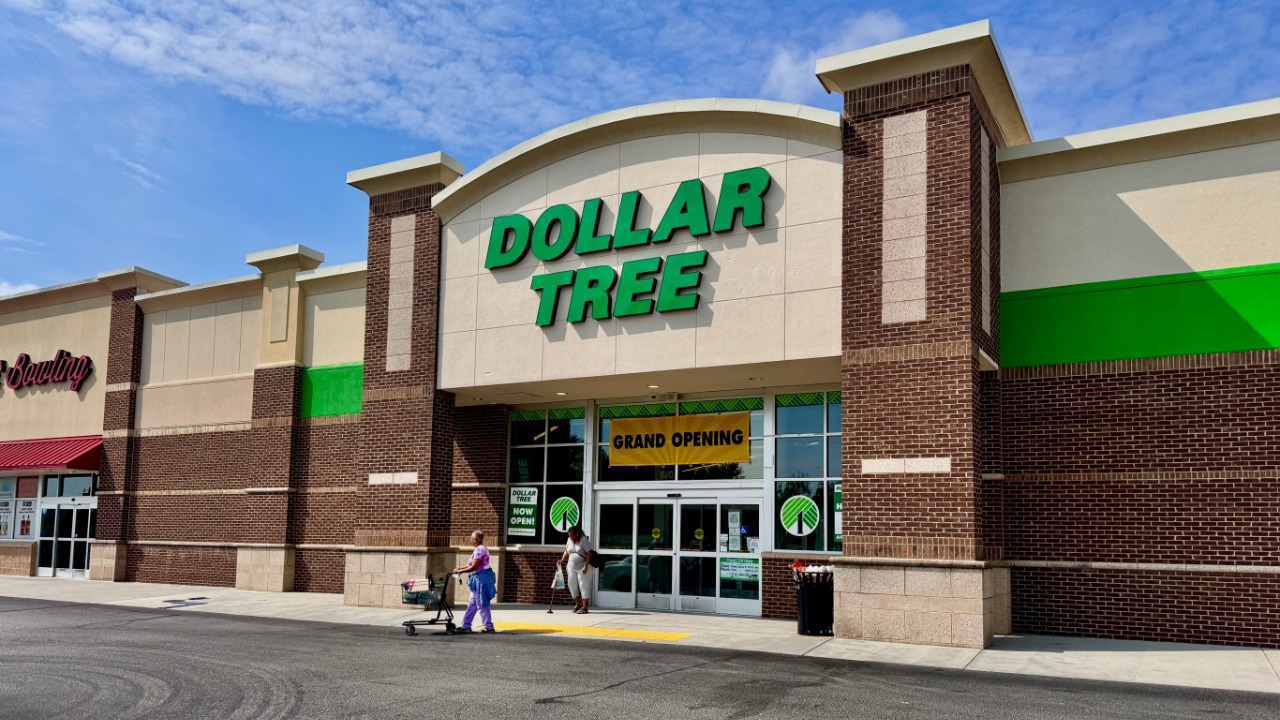
Dollar Tree, Inc., a major player in the discount retail sector, is making a significant shift by moving away from its longstanding $1-only pricing model. This change, announced on November 18, 2021, comes as the company grapples with rising costs and inflationary pressures. CEO Michael A. Witynski emphasized the opportunity to offer more products at low prices, a move that reflects broader economic challenges, including a stagnating middle class in the U.S. This strategic pivot marks a new chapter for the company, which has been a staple for budget-conscious shoppers since its founding in 1986.
The Evolution of Dollar Tree’s Pricing Strategy
Dollar Tree’s $1-only pricing model has been a cornerstone of its identity since the company’s inception in 1986, when it opened its first store in Georgia. This model positioned Dollar Tree as a reliable option for budget shoppers, particularly in rural and suburban areas across the U.S. As detailed in the company’s SEC filings, this strategy helped the chain expand rapidly, including the acquisition of Dollar Express stores in the 1990s and a significant merger with Family Dollar in 2006. The latter, valued at $8.5 billion, was intended to bolster the fixed-price appeal but also introduced challenges as wholesale costs began to rise.
Despite its initial success, Dollar Tree faced mounting internal pressures that necessitated a reevaluation of its pricing strategy. By 2021, the company’s gross margin had dropped to 29.5% from 30.8% in 2020, largely due to supply chain disruptions. These financial strains were highlighted in the company’s Q3 earnings call, as reported by Seeking Alpha. The need to adapt became increasingly clear, prompting the company to test higher price points in select stores.
Economic Pressures Driving the Model Shift
The decision to move away from the $1-only model is deeply rooted in the economic pressures facing Dollar Tree. In October 2021, U.S. consumer prices rose by 6.2% year-over-year, marking the highest inflation rate in 30 years. This surge, documented in the BLS inflation report, significantly impacted Dollar Tree’s ability to maintain its pricing on essential goods. The company’s average product cost per store increased by 15% in fiscal 2021, necessitating the exploration of higher price points in 1,000 stores across Georgia, Kentucky, Ohio, and Florida, as outlined in their Q3 2021 earnings release.
CEO Michael A. Witynski acknowledged the need for strategic evolution while maintaining a commitment to the $1 price point. This sentiment was echoed in a statement covered by CNBC, where Witynski highlighted the importance of adapting to broader retail trends. Competitors like Dollar General have long embraced a multi-price strategy, suggesting that Dollar Tree’s shift could be a necessary step to remain competitive.
Impact on the U.S. Middle Class and Shopper Base
The shift in Dollar Tree’s pricing strategy has significant implications for the U.S. middle class, which has been experiencing erosion over the past few decades. According to the Pew Research Center, only 51% of U.S. adults lived in middle-income households in 2020, down from 61% in 1971. With real wages remaining flat since 2000, fixed-price stores like Dollar Tree have become vital for affordability. The change in pricing has sparked backlash among customers, with some taking to social media to express feelings of betrayal and intentions to switch to competitors like Walmart or Aldi, as analyzed by Forbes.
Demographically, Dollar Tree’s customer base is primarily composed of individuals earning under $50,000 annually, with a significant concentration in the South and Midwest. This reliance on a low-income customer base, as reported by a Nielsen report, means that the company risks a potential 5-10% sales dip if the new pricing model alienates these shoppers. The stakes are high, as maintaining customer loyalty is crucial for sustaining the company’s market position.
Future Implications for Dollar Tree and the Discount Retail Sector
Looking ahead, Dollar Tree plans to expand the $1.25/$1.50 pricing model to all 8,000 U.S. stores by mid-2022, contingent on the success of current tests. The company is also exploring multi-price testing up to $5 in Family Dollar locations, as detailed in a company press release. This strategic shift is part of a broader effort to regain market share lost to e-commerce and adapt to changing consumer preferences.
Comparisons to rivals like Dollar General, which has successfully implemented a multi-price strategy since 2006, underscore the potential benefits of Dollar Tree’s new approach. Dollar General’s revenue reached $33.1 billion in 2021, indicating that a diversified pricing strategy can drive growth, as noted by the Wall Street Journal. However, the transition also poses challenges, including the need for workforce training on new pricing systems. This aspect has raised concerns among unions, particularly in states like Virginia where Dollar Tree’s headquarters are located, as reported by Bloomberg.
More From TheDailyOverview
- Dave Ramsey says these two simple questions show whether you’re rich or poor
- Retired But Want To Work? Try These 18 Jobs for Seniors That Pay Weekly
- IRS raises capital gains thresholds for 2026 and what’s new
- 12 ways to make $5,000 fast that actually work

Silas Redman writes about the structure of modern banking, financial regulations, and the rules that govern money movement. His work examines how institutions, policies, and compliance frameworks affect individuals and businesses alike. At The Daily Overview, Silas aims to help readers better understand the systems operating behind everyday financial decisions.

