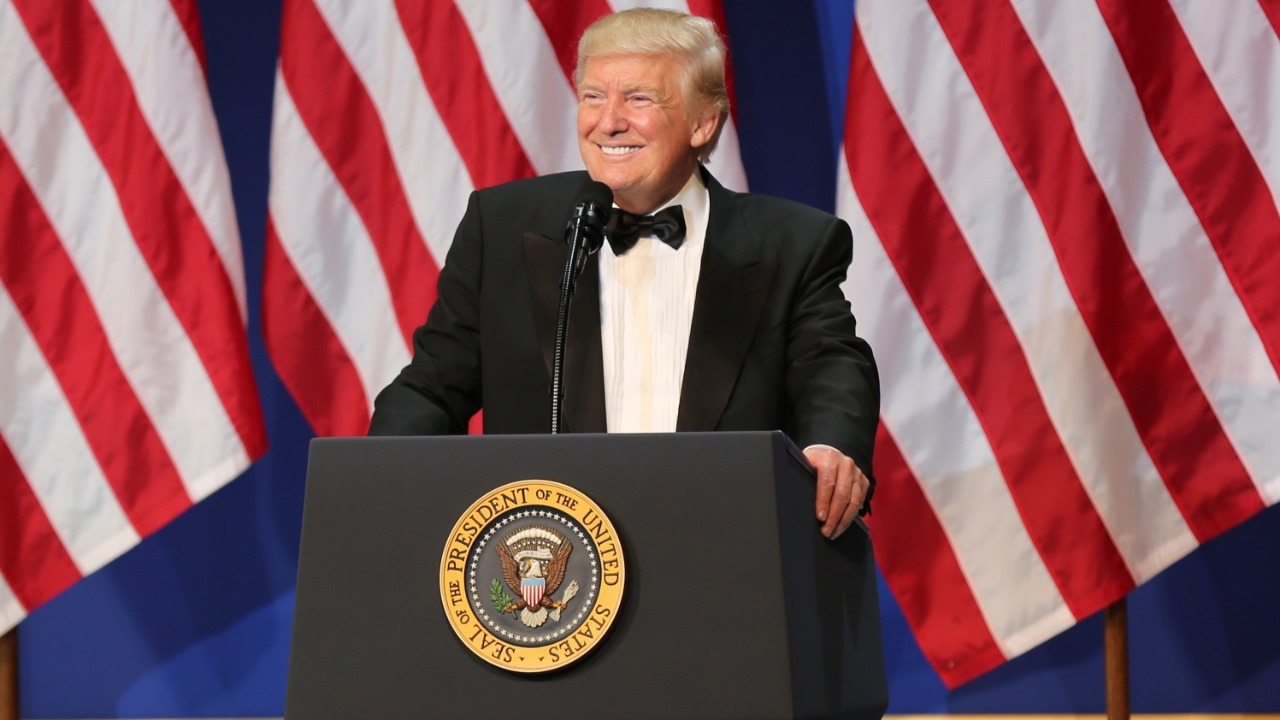
Donald Trump is once again at the center of an impeachment storm, with critics in Congress signaling that formal charges could reach the House floor before the Christmas recess. The push reflects a broader clash over presidential power, accountability and the limits of partisan tolerance in Washington, as lawmakers weigh whether to escalate from rhetoric to a binding constitutional process.
The new impeachment push takes shape
Calls to move quickly on impeachment have intensified as some Democrats argue that Trump’s conduct in office has already met the constitutional threshold for “high crimes and misdemeanors.” Representative Al Green has been among the most vocal advocates, warning that the House risks normalizing presidential misconduct if it delays a vote on formal charges and insisting that the chamber can act before lawmakers leave town for the holidays, a timeline that has fueled talk that Trump could face articles of impeachment before Christmas, as reflected in detailed coverage of Green’s stance on impeachment timing.
That sense of urgency has migrated from Capitol Hill into the broader political conversation, where activists and commentators frame the holiday deadline as both a symbolic marker and a practical one. In one widely shared video, a commentator lays out the case for moving ahead with impeachment proceedings in the near term, arguing that waiting until the next election cycle would effectively reward behavior critics describe as an abuse of office, a line of argument that has been amplified in a lengthy video breakdown of the political stakes.
Representative Shri Thanedar’s formal articles
The most concrete step so far has come from Representative Shri Thanedar, who has moved beyond talk and introduced formal articles of impeachment against President Donald J. Trump. In his announcement, Thanedar accused Trump of “high crimes and misdemeanors” and framed the move as a constitutional obligation rather than a partisan choice, a position he laid out in detail when he unveiled his articles of impeachment.
Those charges are now embodied in House Resolution 353, which spells out the specific allegations and the legal theory behind them. The resolution’s text walks through the conduct that Thanedar and his allies say violates the president’s oath of office, tying each count to the “high crimes and misdemeanors” language in Article II of the Constitution and setting out the framework that the House Judiciary Committee would use if it chose to advance the case, as laid out in the full text of House Resolution 353.
How the Christmas deadline became a political rallying cry
The idea that Trump could confront impeachment articles before Christmas has taken on a life of its own in partisan media and on social platforms. Liberal activists have circulated posts claiming that “sources” expect the House to act before the holiday break, turning the calendar into a pressure tactic aimed at wavering Democrats and a warning shot to Republicans who might be tempted to dismiss the effort as mere messaging, a narrative that has spread through viral social media claims.
That same framing has seeped into online communities far from traditional political circles, where traders and meme investors debate how impeachment headlines might ripple through markets. On one finance-focused message board, users dissected the prospect of a pre-Christmas impeachment vote as a potential volatility trigger, treating the constitutional process as another macro event to game rather than a civic reckoning, a perspective captured in a discussion thread on market reactions.
Media narratives and partisan messaging
Traditional political coverage has tried to separate what is procedurally possible from what is politically likely, noting that any impeachment drive must navigate committee hearings, leadership calculations and a crowded legislative calendar. Some outlets have highlighted that the “before Christmas” framing is as much about messaging as it is about parliamentary math, even as they acknowledge that Democrats have the tools to fast-track proceedings if they choose, a tension reflected in mainstream reporting that Trump “faces” potential articles, including a widely shared analysis of the impeachment calendar.
Conservative commentators, by contrast, have cast the renewed impeachment talk as a continuation of what they describe as a yearslong campaign to delegitimize Trump’s presidency. In one short-form video, a pro-Trump voice dismisses the latest articles as a stunt designed to energize Democratic donors and distract from policy debates, arguing that voters are more focused on inflation and border security than on another impeachment saga, a line of attack that surfaces in a widely circulated short video clip.
What history and global context tell us
Impeachment is rare in American history, and the prospect of another case against Trump underscores how sharply polarized the country remains over presidential accountability. Previous efforts against him reshaped party coalitions and media ecosystems, and any new proceedings would again test whether Congress is willing to use its most severe constitutional tools in the face of intense partisan backlash, a dynamic that has been dissected in long-form explainers on presidential impeachment.
Globally, Trump’s legal and political troubles are watched as a barometer of American democratic resilience, with foreign audiences gauging whether the United States holds its leaders to account or allows partisan loyalty to override institutional norms. That scrutiny has only intensified as video commentary, including a detailed impeachment explainer and a separate montage of Trump’s own responses to investigations, circulates widely online and shapes perceptions of how seriously Washington treats allegations of misconduct, as seen in a high-traffic video analysis that stitches together the latest developments.
More From TheDailyOverview
- Dave Ramsey says these two simple questions show whether you’re rich or poor
- Retired But Want To Work? Try These 18 Jobs for Seniors That Pay Weekly
- IRS raises capital gains thresholds for 2026 and what’s new
- 12 ways to make $5,000 fast that actually work

Grant Mercer covers market dynamics, business trends, and the economic forces driving growth across industries. His analysis connects macro movements with real-world implications for investors, entrepreneurs, and professionals. Through his work at The Daily Overview, Grant helps readers understand how markets function and where opportunities may emerge.

