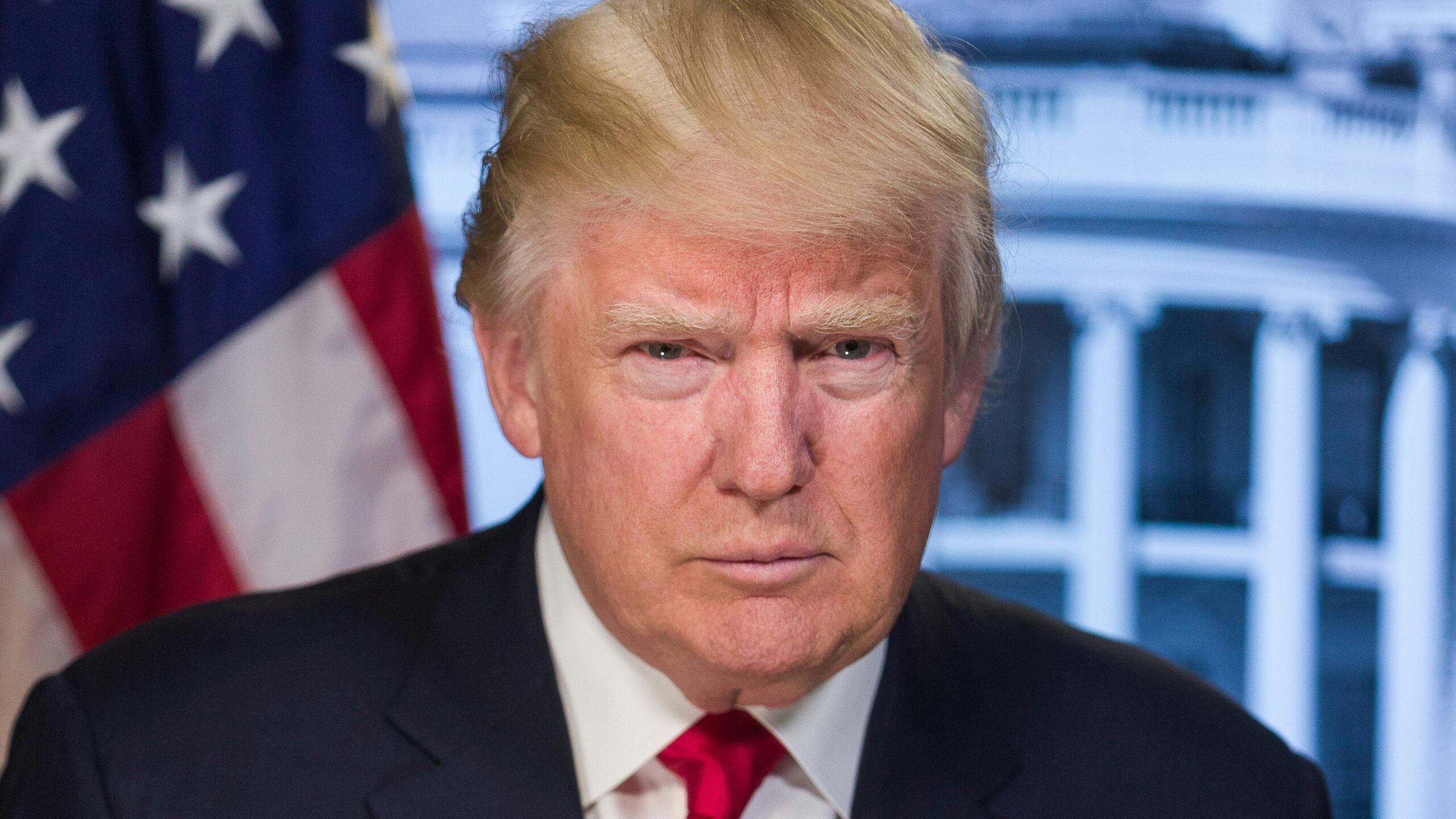
The latest Wall Street rout has fused geopolitics and markets in a way that is hard to ignore. The Dow has slumped more than 850 points while the dollar has weakened, as investors try to price the fallout from President Trump’s escalating Greenland tariff threats and a deepening rift with Europe over trade.
What began as a niche dispute over an Arctic territory has morphed into a full blown risk event, hitting equities, currencies, and the fragile trust that underpins transatlantic commerce. I see the sell off as less about any single headline and more about the dawning realization that Greenland has become a proxy battlefield for economic coercion.
The sell off that shook the Dow and the dollar
U.S. stocks were already wobbling when the latest Greenland drama hit, but the scale of the reaction was still striking. The Dow tumbles more headline captured the shock as traders dumped risk and the dollar slid in tandem, a rare pairing that signaled broad unease rather than a simple flight to U.S. assets. In parallel coverage, the index was described as shedding 850 points as the S&P 500 slipped 2 percent, underscoring how the shock rippled across benchmarks rather than staying confined to a single index.
By the close of one of the worst sessions, the Dow was reported ending 870 points lower, with FactSet data putting the level at 48,488.59, while another account described the Dow closing 870 points down as investors digested Trump’s Greenland tariff threats. A separate snapshot of the Dow Jones Industrial Average showed a reading of 48,488.59 at 4:45 PM EST, with a Day Range of 48,428.13 to 49,005.01 and a 52 Week Range starting at 36,611, a reminder of how far the market had climbed before this sudden air pocket.
How Greenland tariffs detonated a transatlantic trade rift
The market reaction only makes sense once you trace how a dispute over Greenland has bled into the broader U.S. relationship with Europe. President Trump used a Truth Social post on Saturday to announce that, effective Feb. 1, he intends to impose a new 10 percent tariff on goods from several European countries in response to their stance on Greenland, and he later released private text messages from European leaders who pushed back on the move. At Davos, European officials framed the response as collective, with one EU chief saying Europe was “united” in the face of Trump’s Greenland threats and tariffs, and stressing that the president’s new 10 percent levy on all goods from targeted countries was intended, in Washington’s telling, to boost regional security.
The institutional backlash has been just as sharp. The European Union halted approval of a U.S. trade deal after Trump said on Saturday that he would hit seven European Union countries, plus the U.K., with tariffs if they did not support his Greenland policy, a move that effectively weaponized access to the American market. In the European Parliament, trade committee chair Bernd Lange said the decision to put EU U.S. trade deal work on hold in protest over Greenland showed the committee’s resolve, as the European Parliament used its leverage to freeze progress until lawmakers vote on next steps.
Energy, security and Europe’s Greenland weak spot
Behind the tariff headlines sits a deeper strategic contest over energy and Arctic access. Analysts have described Europe’s reliance on Greenland linked resources as a STRATEGIC LIABILITY, arguing that Trump’s Saturday threat to impose a 10 percent levy on imports from multiple European countries that oppose his Greenland plans exposes how vulnerable the continent remains to supply disruptions. The same assessment warned that a prolonged spat could complicate energy diversification efforts and even derail a broader energy deal if the confrontation intensified, a scenario that would raise costs for European industry and households alike.
From London’s vantage point, the message is equally stark. A detailed analysis argued that Trump’s Greenland tariffs show the UK must prepare for a new era of economic coercion, noting that on Saturday President Trump announced measures that could easily be expanded or replicated in other disputes. I read that as a warning that Greenland is not an isolated flashpoint but a template, one that blends security arguments with trade tools in ways that blur the line between alliance management and economic warfare.
Inside the trading floor: fear, relief and a fragile rebound
On the ground in New York, the drama has been visceral. Traders on the floor of the New York Stock Exchange, captured in dispatches by Sean Conlon, Chloe Taylor and Pia Singh, watched screens flash red as the tariff headlines hit, with liquidity thinning and intraday swings widening. The selling was broad, hitting the Dow, the S&P 500 and the tech heavy Nasdaq as investors tried to gauge how far Trump might go in using tariffs to gain control of Greenland.
The mood shifted only after the White House tried to draw a line under the most extreme scenarios. In live market coverage, Stock market updates described the Dow, S&P 500 and Nasdaq jumping after the brutal sell off once Trump ruled out using force to take Greenland, a clarification that removed one tail risk even as tariff threats remained. A separate account of the rebound noted that Wall Street held steadier after Trump said he would not use force to take Greenland, with markets calming even as gold prices and other havens reflected lingering anxiety.
What the Greenland shock tells us about political risk pricing
For me, the Greenland episode is a case study in how quickly political risk can reprice global assets when it is tied to concrete policy tools like tariffs. The initial plunge, captured in reports that the Dow tumbles more and the dollar slides over Greenland and tariff threats, reflected a market that had not fully internalized the possibility of a sustained transatlantic trade conflict centered on an Arctic territory. Follow up coverage of how the Dow sheds 850 and the S&P 500 slips 2 percent as borrowing costs rise underlined how tariffs can tighten financial conditions even before they fully hit trade flows.
At the same time, the speed of the partial rebound after Trump ruled out military action shows that markets still distinguish between different shades of geopolitical risk. Live blogs chronicling how the Dow, S&P 500 and Nasdaq jumped once that red line was drawn, and wire reports noting that 59 minutes after the statement markets were already steadier, suggest investors are willing to look through noise if they believe escalation has limits. Yet the decisions by the European Union to halt a trade deal and by the European Parliament to suspend work on it show that the underlying fracture is real, and that Greenland has become a litmus test for how far Washington is prepared to go in using economic leverage against its closest allies.
More From TheDailyOverview

Grant Mercer covers market dynamics, business trends, and the economic forces driving growth across industries. His analysis connects macro movements with real-world implications for investors, entrepreneurs, and professionals. Through his work at The Daily Overview, Grant helps readers understand how markets function and where opportunities may emerge.

