
A harrowing incident in Kenosha County, Wisconsin, has left a family devastated after a drone battery exploded, destroying their home in just 45 minutes. This shocking event highlights the potential dangers of lithium-ion batteries, prompting widespread concern and calls for increased safety measures. The risks associated with these batteries, along with ways to protect homes from similar disasters, are now at the forefront of public discourse.
The Incident: A Father’s Worst Nightmare

The explosion was a sudden and terrifying ordeal for the family living in Kenosha County. On an ordinary afternoon, the father had been charging a drone battery when it unexpectedly exploded, setting off a chain reaction that engulfed their home in flames. Within a mere 45 minutes, the fire had consumed the entire structure, leaving the family homeless and in shock. The immediate effects were devastating, with the household’s belongings reduced to ashes and cherished memories lost forever.
Emotionally, the impact on the family has been profound. Personal testimonies reveal a mix of disbelief and trauma, as they come to terms with the sudden loss of their home. The father, visibly shaken, described the incident as a nightmare come true, expressing gratitude that his family escaped unharmed but lamenting the irreplaceable loss of their home. The psychological aftermath of such a disaster is complex, with the family now grappling with feelings of vulnerability and anxiety about future safety.
In the wake of the explosion, the local community has rallied around the family, offering support and assistance. Neighbors have stepped forward with donations of clothing and household items, while local authorities have provided temporary housing solutions. The community’s response has been heartening, demonstrating a collective commitment to helping the family rebuild their lives. For more insights into the father’s experience and the community’s response, visit this detailed account.
Understanding Lithium-Ion Batteries
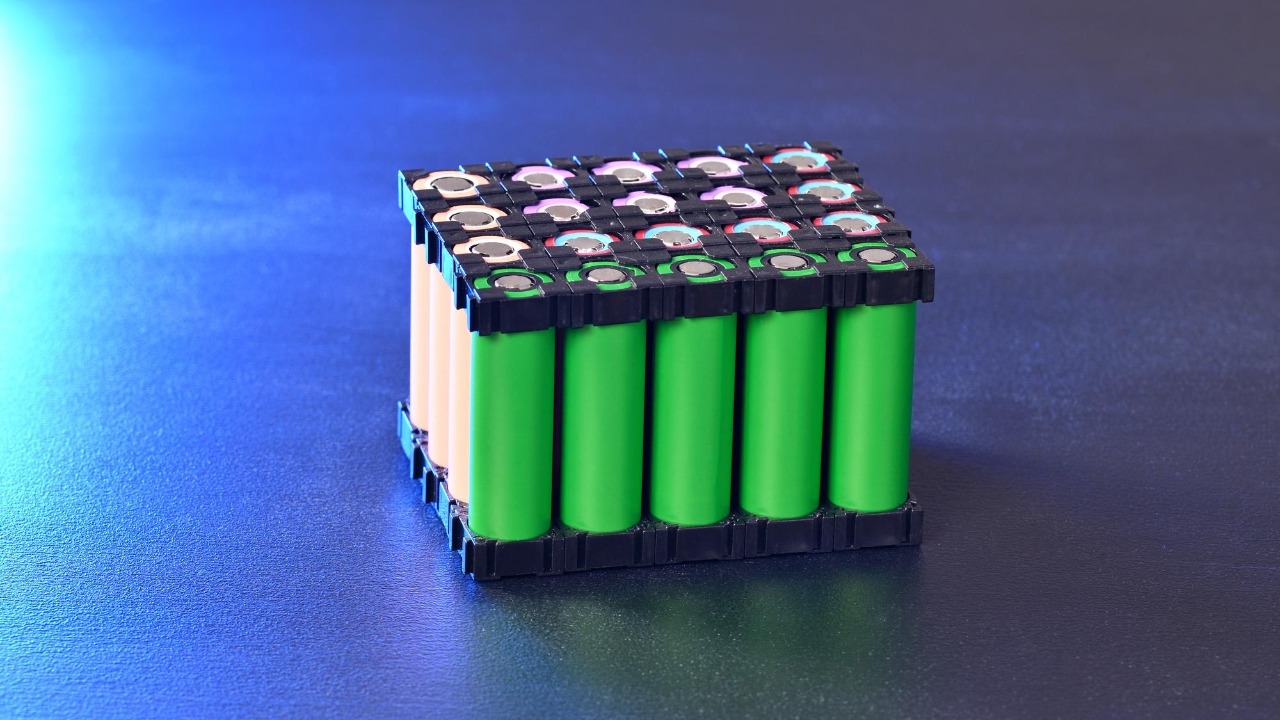
Lithium-ion batteries are ubiquitous in modern technology, powering devices from smartphones to electric vehicles and drones. These batteries work by moving lithium ions from the negative to the positive electrode during discharge and back when charging. Despite their efficiency and widespread use, lithium-ion batteries carry inherent risks that can lead to catastrophic failures, such as the one experienced in Kenosha.
The risks associated with lithium-ion batteries stem from their high energy density and the volatile nature of their components. If a battery is damaged, overcharged, or improperly manufactured, it can lead to thermal runaway, a chain reaction that results in overheating and potential explosion. The science behind these explosions involves the breakdown of the battery’s internal components, which releases flammable gases and increases internal pressure.
Historically, there have been several notable incidents involving lithium-ion battery explosions, raising concerns about their safety. Cases such as the recall of certain smartphone models and reports of e-cigarette batteries exploding have highlighted the potential dangers. These incidents underscore the importance of understanding the risks and implementing preventative measures to ensure safety. For a comprehensive look at how to protect your family from such tragedies, check out this guide.
Safety Measures and Prevention
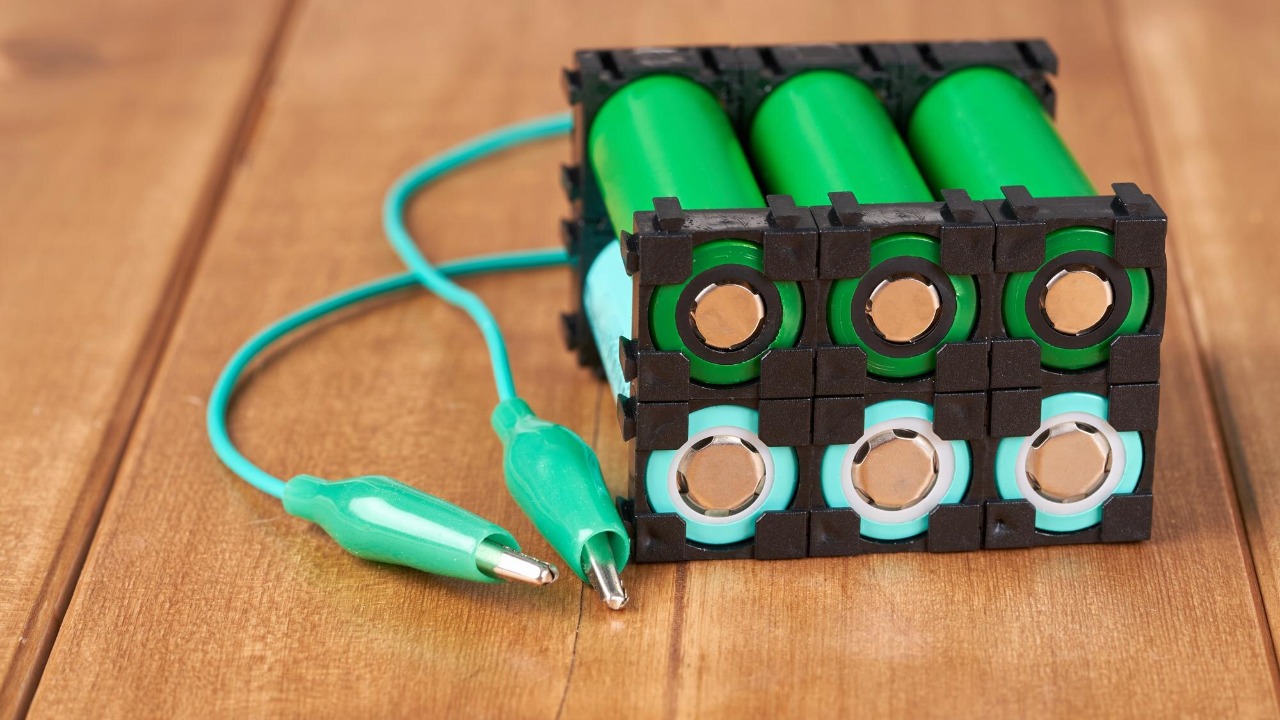
To minimize the risks associated with lithium-ion batteries, proper storage and handling are crucial. Guidelines suggest keeping batteries in a cool, dry place away from flammable materials, and avoiding overcharging them. It’s also important to use chargers specifically designed for the battery’s specifications to prevent damage and overheating.
Recognizing warning signs of faulty or damaged batteries can prevent potential disasters. Swelling, leaking, or unusual odors emanating from a battery are clear indicators that it should be replaced immediately. Additionally, if a battery begins to overheat or smoke, it should be placed in a non-flammable container and removed from any flammable surroundings to prevent a fire.
Emergency preparedness is also key in dealing with potential battery failures. Families are encouraged to have a fire extinguisher readily accessible and to familiarize themselves with emergency procedures. In the event of a battery overheating, prompt action can mitigate damage and ensure the safety of the household. For more detailed emergency preparedness steps, visit this resource.
The Role of Manufacturers and Regulators
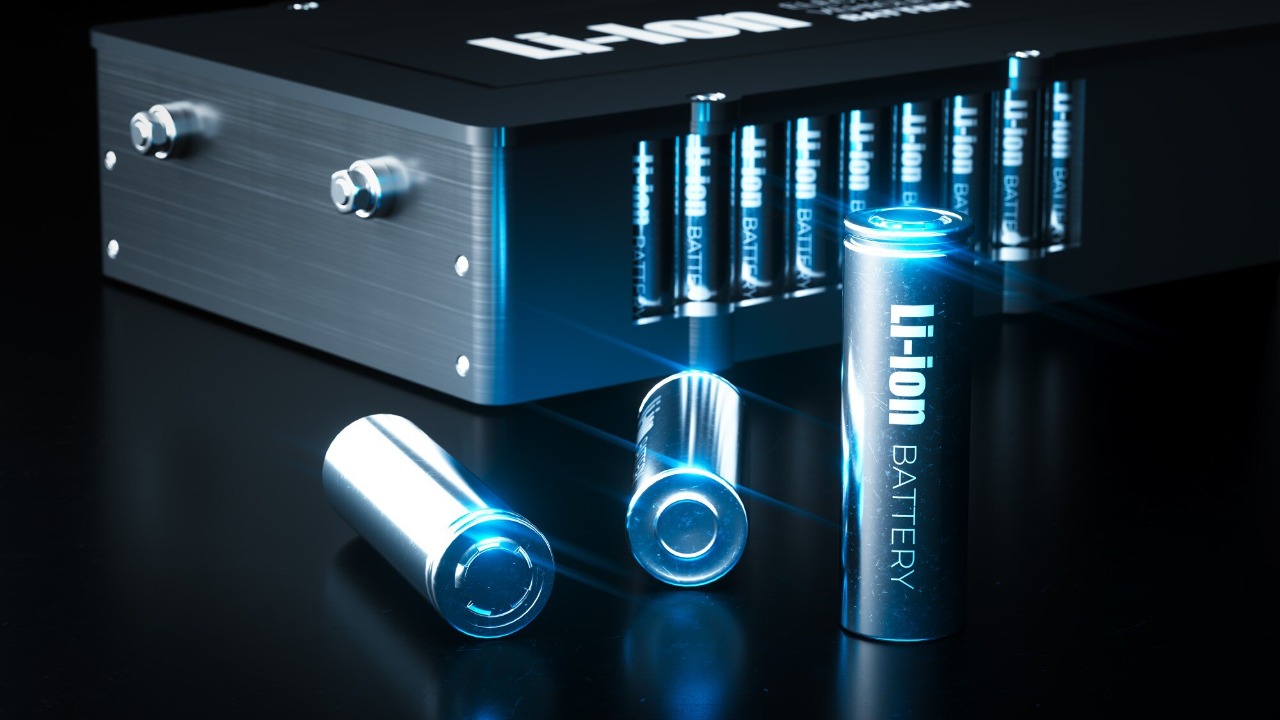
Current regulations governing lithium-ion battery safety focus on ensuring that manufacturers adhere to stringent standards. These include testing for durability and thermal stability, as well as providing clear labeling and instructions for use. However, incidents like the one in Kenosha highlight the need for ongoing evaluation and enhancement of these standards to keep pace with technological advancements.
Manufacturers hold a significant responsibility in ensuring product safety and consumer education. This involves rigorous testing of battery components, implementing quality control measures, and providing comprehensive user guides that emphasize safety precautions. Transparency about potential risks is essential in equipping consumers with the knowledge to use these products safely.
There is growing advocacy for stricter measures and enhanced testing protocols to further safeguard consumers. Calls for improved safety features, such as built-in thermal management systems and more robust casings, are gaining traction. These advancements could play a crucial role in preventing future incidents and ensuring consumer trust in lithium-ion technologies. Learn more about ongoing regulatory discussions in related industries by visiting this report.
Lessons Learned and Moving Forward

Community education on the risks associated with lithium-ion batteries is essential in preventing future incidents. By raising awareness and promoting safety practices, families can be better prepared to handle these technologies responsibly. Educational campaigns focusing on proper battery use, storage, and disposal can empower consumers and reduce the likelihood of accidents.
Technological advancements are also shaping the future of battery safety. Innovations aimed at creating safer alternatives, such as solid-state batteries and improved thermal management systems, offer promising solutions. These developments could significantly reduce the risk of explosions and enhance the overall safety of lithium-ion technology.
Reflecting on the Kenosha incident, the father has urged other families to prioritize safety and remain vigilant when using lithium-ion batteries. His message is a poignant reminder of the importance of awareness and preparedness in safeguarding our homes and loved ones. He advises families to stay informed about the latest safety guidelines and to take proactive measures in preventing potential hazards. For a deeper dive into his personal reflections and advice, refer to this insightful resource.

Cole Whitaker focuses on the fundamentals of money management, helping readers make smarter decisions around income, spending, saving, and long-term financial stability. His writing emphasizes clarity, discipline, and practical systems that work in real life. At The Daily Overview, Cole breaks down personal finance topics into straightforward guidance readers can apply immediately.
