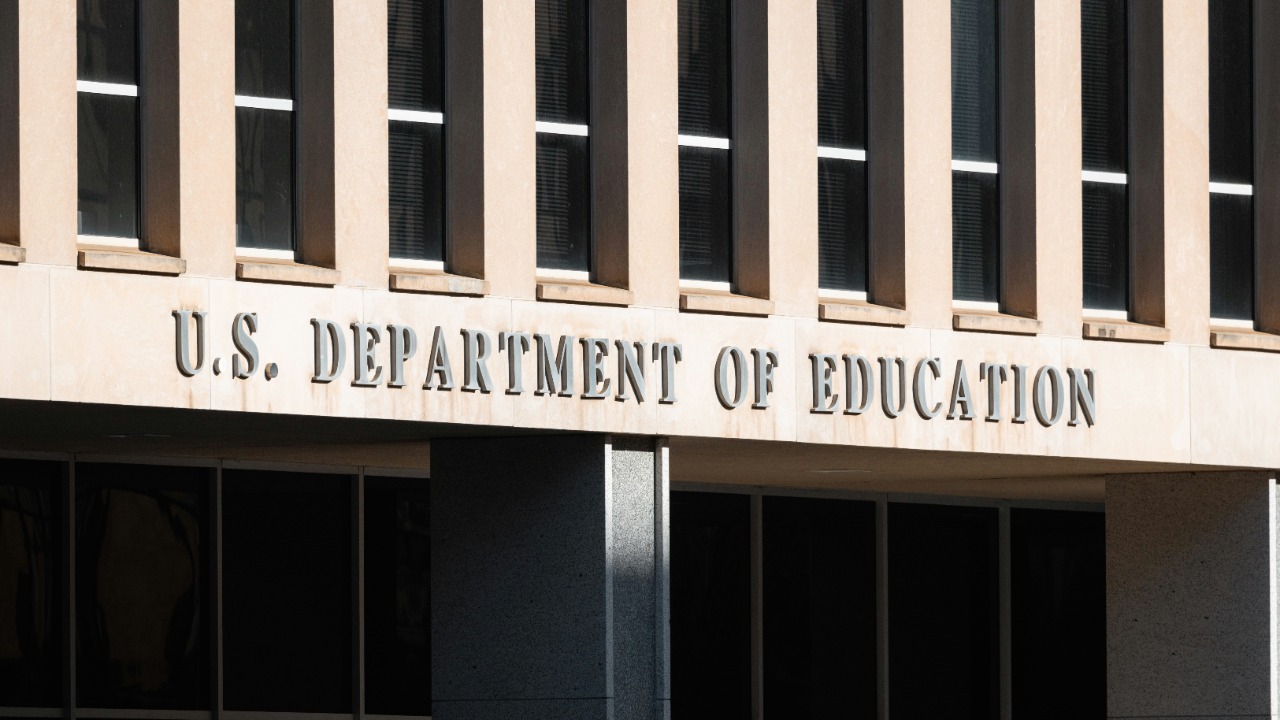
The U.S. Education Department is facing legal challenges over a new rule introduced under the Trump administration that restricts Public Service Loan Forgiveness (PSLF) for public servants. Critics argue that this rule could deny debt relief to essential workers such as police officers, teachers, and nurses. On November 3, 2025, New York Attorney General Letitia James spearheaded a lawsuit, joined by several blue states and advocacy groups, to contest these changes. This legal action comes swiftly after the rule’s implementation, potentially impacting millions of public service workers nationwide.
Background on the Trump Administration’s Rule Change
The new rule, implemented by the Trump administration, significantly alters the eligibility criteria for Public Service Loan Forgiveness. It imposes stricter requirements on what constitutes qualifying employment, effectively narrowing the scope of who can benefit from the program. Announced in late October 2025, the rule marks a departure from the previous Biden-era expansions by redefining public service roles and requiring immediate compliance upon its publication in the federal register. This shift emphasizes federal oversight, mandating that the Education Department approve forgiveness claims, a change from the previous automated processing system.
The rule’s introduction has sparked significant concern among public service workers and their advocates. By narrowing the definitions of qualifying employment, the rule could exclude many who previously qualified for loan forgiveness. This change is seen as a move to tighten control over the program, potentially limiting access to debt relief for those in essential public service roles. The focus on federal oversight and the requirement for departmental approval are seen as barriers that could delay or deny forgiveness for many eligible borrowers.
Details of the Lawsuits Challenging the Rule
The first lawsuit was filed by New York Attorney General Letitia James on November 3, 2025, representing affected borrowers. This legal action seeks an injunction to prevent the Education Department from enforcing the new rule. The lawsuit argues that the changes violate federal law and the original intent of the PSLF program. James’s lawsuit is part of a broader effort to protect public servants from losing access to promised debt relief.
A second lawsuit, also filed on November 3, 2025, involves a coalition of blue states, including Colorado. This suit contends that the rule change contravenes existing federal statutes governing the PSLF program. The coalition argues that the rule was implemented without sufficient public input, a claim echoed by advocacy groups involved in the legal challenges. These groups assert that the rushed implementation of the rule did not allow for adequate public commentary, undermining the democratic process.
Both lawsuits have been filed in federal courts in New York and Washington, D.C., highlighting the national significance of the issue. The involvement of advocacy groups underscores the widespread concern about the rule’s impact on public service workers. These legal challenges aim to halt the rule’s enforcement and preserve the integrity of the PSLF program as a vital support for those in public service roles.
Impacts on Public Servants and Broader Reactions
The new rule could have significant repercussions for public servants, particularly police officers, teachers, and nurses. According to the lawsuit led by Colorado, the redefined employment standards could prevent these workers from qualifying for loan forgiveness. This potential exclusion has raised alarms among public service unions and advocates, who warn that the rule could result in up to $50,000 in lost relief per borrower. Such financial losses could deter individuals from pursuing or continuing careers in essential public service roles.
Reactions from stakeholders have been swift and critical. Blue state attorneys general have emphasized the rule’s potential to undermine recruitment efforts in vital public sectors, particularly during a time of economic uncertainty. They argue that the rule threatens to exacerbate existing challenges in attracting and retaining qualified professionals in public service positions. The legal challenges and public outcry reflect a broader concern about the rule’s impact on the nation’s ability to support and sustain its public service workforce.
The lawsuits and the ongoing debate over the rule highlight the stakes for public servants and the broader implications for public service in the United States. As the legal battles unfold, the outcome will have significant consequences for the future of the PSLF program and the financial well-being of those who dedicate their careers to serving the public.
More From TheDailyOverview
- Dave Ramsey warns to stop 401(k) contributions
- 11 night jobs you can do from home (not exciting but steady)
- Small U.S. cities ready to boom next
- 19 things boomers should never sell no matter what

Silas Redman writes about the structure of modern banking, financial regulations, and the rules that govern money movement. His work examines how institutions, policies, and compliance frameworks affect individuals and businesses alike. At The Daily Overview, Silas aims to help readers better understand the systems operating behind everyday financial decisions.

