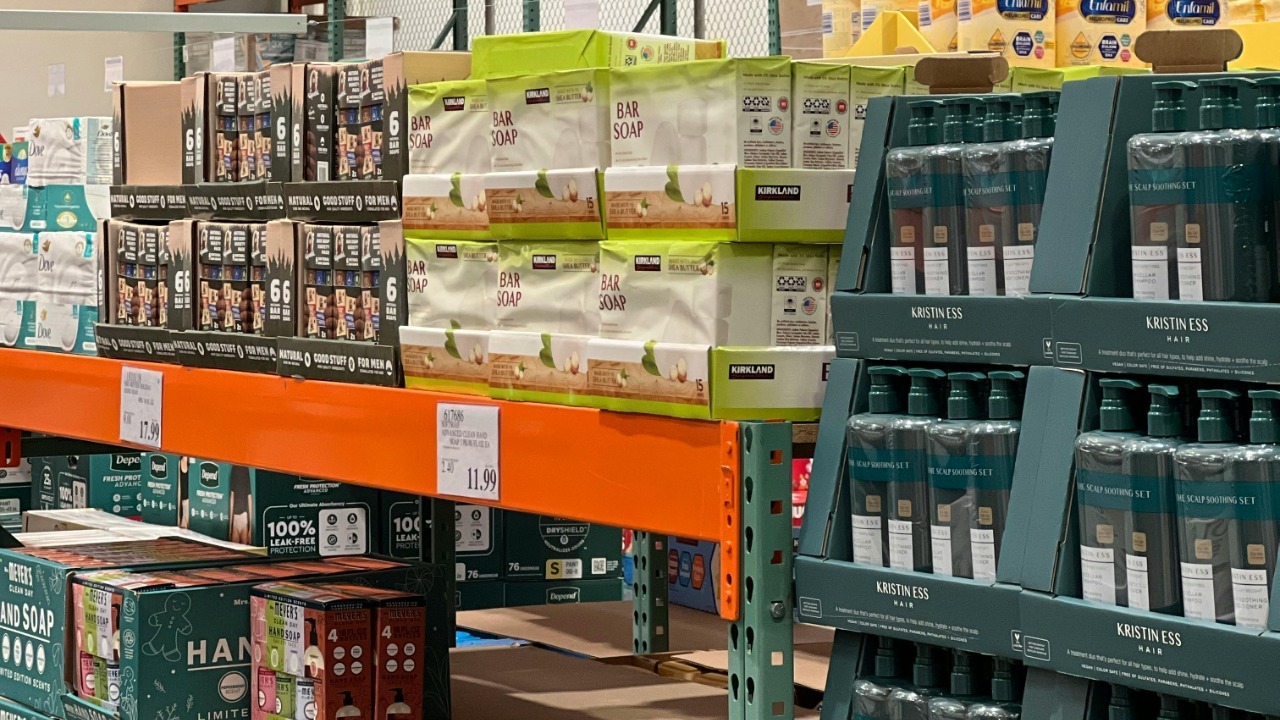
When it comes to shopping, buying in bulk often seems like a smart way to save money. However, the reality is that bigger isn’t always better. Many bulk purchases can end up costing more in the long run due to spoilage, waste, or higher per-unit prices. Here, we explore eight bulk buys that might not be saving you money as you think.
1) Spices
Buying spices in bulk might seem like a great way to save money, but it often leads to waste. Large jars of spices from stores like Sam’s Club can lose their flavor and potency long before you have a chance to use them up. This is because spices degrade over time, and when stored in large quantities, they are exposed to air and light more frequently, accelerating this process. According to The Takeout, purchasing smaller quantities ensures that you use the spices while they are still fresh and flavorful, ultimately saving you money by reducing waste.
The degradation of spices isn’t just about losing flavor; it also means losing the nutritional and health benefits they offer. For instance, the antioxidants in spices like turmeric and cinnamon diminish over time, making them less effective. This not only impacts the taste of your dishes but also their nutritional value. Therefore, while the initial cost of bulk spices might seem economical, the long-term loss in quality and effectiveness makes it a less savvy purchase.
Moreover, the storage of bulk spices can be problematic. Large containers take up significant space in your pantry, and if not sealed properly, they can attract moisture and pests. This further contributes to spoilage and waste. To truly save money and maintain quality, it’s better to buy spices in smaller quantities that match your cooking habits.
2) Coffee
For coffee lovers, buying large bags of coffee might seem like a dream come true. However, oversized bags can lead to stale coffee, negating any savings from buying in bulk. The increased air exposure in larger bags accelerates the staleness of coffee grounds, as noted by The Takeout. This results in a less flavorful cup of coffee, which can be disappointing for those who cherish their morning brew.
When coffee is exposed to air, it undergoes oxidation, which diminishes its aroma and taste. This is particularly problematic for those who don’t consume coffee quickly. Instead of enjoying a fresh, aromatic cup, you might find yourself with a bitter, flat-tasting brew. The solution is to purchase coffee in smaller quantities that you can consume within a month, ensuring each cup is as fresh as possible.
Additionally, storing large quantities of coffee can be cumbersome. It requires airtight containers and a cool, dark place to maintain its quality. This can be inconvenient for those with limited storage space. By opting for smaller bags, you not only preserve the flavor and aroma of your coffee but also make storage more manageable.
3) Fresh Produce
Bulk buying fresh produce like berries can seem like a cost-effective choice, but it often leads to spoilage before consumption. As highlighted by The Takeout, family-sized packs of berries from Sam’s Club can rot quickly in standard refrigerators, especially if you don’t have a large household to consume them promptly.
Fresh produce is highly perishable, and buying in bulk increases the risk of waste. Berries, for example, have a short shelf life and can become moldy within days. This not only leads to financial loss but also contributes to food waste, which is a significant environmental concern. To avoid this, it’s better to purchase produce in quantities that match your consumption rate, ensuring freshness and reducing waste.
Moreover, the quality of bulk produce can vary. Larger packs might contain a mix of ripe and overripe fruits, leading to uneven ripening and spoilage. By choosing smaller quantities, you can select the freshest produce, ensuring better quality and taste. This approach not only saves money but also enhances your culinary experience.
4) Toilet Paper
Toilet paper is a household staple, and buying in bulk might seem like a no-brainer. However, mega-roll packs from stores like Walmart often fail to deliver lower costs per square foot compared to smaller packs from local stores. According to Reader’s Digest, the per-unit cost of toilet paper in bulk can be higher, making it a less economical choice.
One reason for this is that bulk packaging can include hidden price increases. As noted by Get Rich Slowly, more smaller rolls often mean more toilet paper and less cost. It’s essential to compare unit pricing to ensure you’re getting the best deal. By doing so, you might find that smaller packs offer better value for money.
Additionally, storage can be an issue with bulk toilet paper. Large packs take up significant space, which can be inconvenient for those with limited storage. By opting for smaller packs, you not only save money but also make storage more manageable, ensuring you have space for other essentials.
5) Laundry Detergent
Bulk laundry detergent might seem like a cost-effective purchase, but it often carries a premium price per load compared to standard sizes. As reported by Reader’s Digest, jumbo bottles of detergent can charge more per wash cycle, especially for those with infrequent laundry needs.
The issue with bulk detergent is that it can lose its effectiveness over time. Detergents contain enzymes and surfactants that break down stains, but these components can degrade, reducing the detergent’s cleaning power. This means you might end up using more detergent per load, negating any savings from buying in bulk.
Moreover, storing large bottles of detergent can be cumbersome. They require significant space and can be difficult to handle, leading to spills and waste. By purchasing detergent in standard sizes, you not only maintain its effectiveness but also make storage and handling more convenient. This approach ensures you get the best value for your money while keeping your laundry clean and fresh.
6) Pantry Staples
Pantry staples like rice and pasta are often bought in bulk, but this can lead to expiration and spoilage in average households. According to BuzzFeed, massive bags of these staples can sit unused until they expire, turning a “deal” into discarded food costs for small families.
Rice and pasta have a long shelf life, but they are not immune to spoilage. Over time, they can become infested with pantry pests or develop an off-flavor. This is particularly problematic for small households that don’t consume these staples quickly. By purchasing in smaller quantities, you ensure that the food remains fresh and free from pests, ultimately saving money by reducing waste.
Additionally, storing large quantities of pantry staples can be challenging. They require airtight containers and a cool, dry place to maintain their quality. This can be inconvenient for those with limited storage space. By opting for smaller packages, you not only preserve the quality of your staples but also make storage more manageable, ensuring you always have fresh ingredients on hand.
7) Personal Care Products
Personal care products like shampoo and conditioner are often sold in bulk, but this can lead to product expiration before use. As highlighted by BuzzFeed, bulk sizes often go bad from evaporation or separation, wasting money and product.
Shampoo and conditioner contain ingredients that can degrade over time, leading to changes in texture, scent, and effectiveness. This is particularly problematic for those who don’t use these products frequently. By purchasing in smaller sizes, you ensure that the product remains fresh and effective, ultimately saving money by reducing waste.
Moreover, storing large bottles of personal care products can be cumbersome. They take up significant space in your bathroom and can be difficult to handle, leading to spills and waste. By opting for smaller bottles, you not only save money but also make storage and handling more convenient, ensuring you always have fresh, effective products on hand.
8) Snacks
Bulk snack purchases might seem like a great way to save money, but they often encourage overeating and impulse consumption. According to BuzzFeed, party-sized bags of snacks can lead to higher calorie and spending intake than portion-controlled purchases.
When snacks are readily available in large quantities, it’s easy to consume more than intended. This not only impacts your wallet but also your health, as overeating can lead to weight gain and other health issues. By purchasing snacks in smaller, portion-controlled packages, you can better manage your consumption and spending, ultimately saving money and promoting healthier eating habits.
Additionally, storing large quantities of snacks can be challenging. They require significant space and can become stale or spoiled if not consumed quickly. By opting for smaller packages, you not only preserve the quality of your snacks but also make storage more manageable, ensuring you always have fresh, tasty treats on hand.
More From TheDailyOverview
- Dave Ramsey says these two simple questions show whether you’re rich or poor
- Retired But Want To Work? Try These 18 Jobs for Seniors That Pay Weekly
- IRS raises capital gains thresholds for 2026 and what’s new
- 12 ways to make $5,000 fast that actually work

Cole Whitaker focuses on the fundamentals of money management, helping readers make smarter decisions around income, spending, saving, and long-term financial stability. His writing emphasizes clarity, discipline, and practical systems that work in real life. At The Daily Overview, Cole breaks down personal finance topics into straightforward guidance readers can apply immediately.

