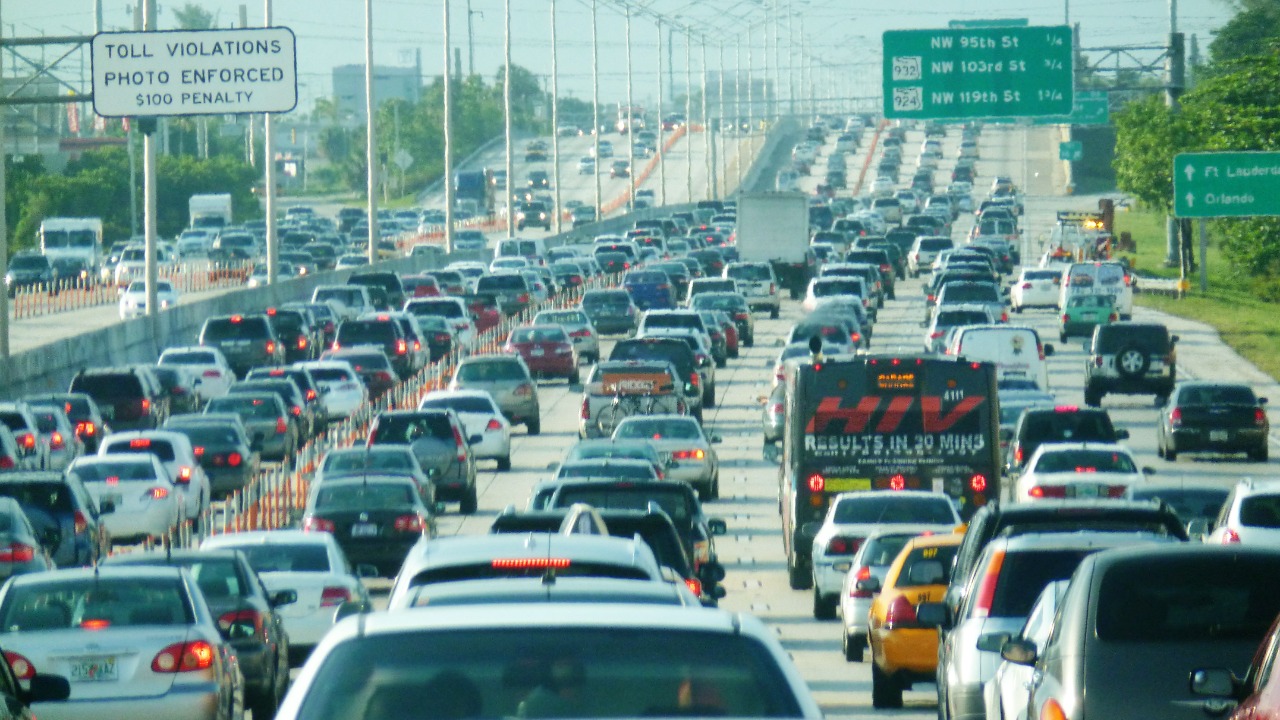
California’s push toward electric vehicles is colliding with an old-fashioned problem: how to pay for roads when drivers are buying less gasoline. With gas tax revenue slipping and zero-emission mandates accelerating, state officials are testing a new idea that would charge drivers by the mile instead of by the gallon. The proposal would turn every monthly odometer reading into a line item on a bill, reshaping how drivers think about the cost of using public roads.
Supporters frame the shift as a necessary update to a funding model built for the internal combustion era, while critics see a new layer of bureaucracy and potential privacy risks. The debate is not just about electric vehicles skipping the pump, it is about whether the fairest way to maintain highways is to tax fuel, miles, or something in between.
Why California’s gas tax model is running out of road
California has long leaned on its gas tax as the backbone of highway and street maintenance, but that foundation is eroding as more drivers switch to hybrids and battery-powered cars. Every electric vehicle that plugs in instead of filling up avoids paying into the system, even though it still contributes to wear and tear on pavement. State transportation planners warn that as the fleet shifts toward zero-emission models, the traditional fuel tax will no longer keep pace with the cost of maintaining and upgrading the vast network of roads that connects communities across California.
The tension is especially sharp because California has set aggressive climate and vehicle targets that depend on drivers embracing electric models like the Tesla Model 3 or Chevrolet Bolt. In SACRAMENTO, Calif, officials have tied those clean car goals to a broader plan for the entire light-duty fleet to be zero-emission by 2035, even as they acknowledge that fewer gallons sold means less money for asphalt and bridges. That is why transportation leaders in California are openly exploring a different funding method that would have drivers pay directly for the miles they travel instead of the fuel they burn.
How a per‑mile “road charge” would work
State transportation agencies describe the road charge concept in simple terms: the more you drive, the more you pay for highway and roadway repairs, and if you drive less, then you pay less. Rather than tying revenue to fuel consumption, the system would track vehicle miles traveled and apply a small per‑mile fee that is meant to mirror, and eventually replace, the gas tax. Advocates argue that this structure better reflects actual road use and can be calibrated so that a driver who logs 10,000 miles in a year pays roughly the same as they would have under the current fuel tax, regardless of whether they own a gasoline SUV or an electric crossover, an idea that has been laid out as California considers a mileage-based road charge for fairer funding by the end of 2026 in It breaks down to this.
Officials have floated specific numbers to show how the math could work for drivers. Instead of paying the tax on gas, which is about 61 cents per gallon, drivers could, instead, be charged 2 to 4 cents for every mile they travel, with the exact rate still under discussion. The idea is that a typical commuter who now pays the gas tax at the pump would see a comparable monthly charge based on odometer readings or other mileage tracking tools, a structure that is being tested as California explores a road usage charge to replace the gas tax amid the rise in electric vehicles in Instead of.
The SB 339 pilot: testing mileage fees in the real world
To move from theory to practice, lawmakers authorized the Road Charge Collection Pilot Program, known in statute as SB 339, to see how a per‑mile system might function at scale. Under this pilot, volunteer drivers agree to have their mileage tracked through odometer readings, plug‑in devices, or smartphone apps, then receive simulated invoices that show what they would have paid under a road charge instead of the gas tax. The program is designed to test not just the technology, but also how drivers react to seeing a separate line item for road use, and the interim report to the legislature has described how Road Charge Collection Pilot Program participants respond to different collection methods and rate structures in California.
State transportation officials have emphasized that the pilot is still a research effort, not a new tax quietly imposed on the public. After the pilot ends in early 2025, the department will create and publish a report on its findings, a process that spokesperson Prehoda has outlined while stressing that any permanent change would require legislative action. That means drivers will not see an immediate statewide mileage fee when the test wraps up, but the data from the SB 339 experiment will heavily influence whether lawmakers move ahead with a broader program, a timeline that has been clarified in a fact check explaining that After the pilot, officials will still need to debate next steps.
Equity, privacy, and the politics of a new tax
Even before any statewide rollout, the idea of a per‑mile charge has sparked sharp political and philosophical pushback. El Cajon Mayor Bill Wells has criticized the proposal as a regressive tax, arguing that Somebody who is upper-middle class is not going to feel it as much as a working-class person who has to commute long distances. His concern is that a flat per‑mile fee would fall hardest on drivers who live far from job centers or cannot afford to live near transit, raising questions about whether the state should build in discounts or credits for low‑income households or rural residents, a critique that has surfaced as El Cajon Mayor Bill Wells and other local leaders weigh in.
Privacy is another flashpoint, since any system that charges by the mile must know how far a vehicle has traveled, and in some configurations, where it has gone. Pilot designers have tried to address this by offering low-tech options like periodic odometer photos alongside more automated GPS-based tools, and by promising strict limits on how location data can be stored or shared. The interim update on the Road Charge Collection Pilot Program in California notes that different collection methods are being evaluated precisely to balance accuracy, convenience, and privacy, but the political challenge of convincing drivers to trust a new tracking system may prove as difficult as the technical one.
What comes next for drivers and the state budget
For now, the road charge remains a proposal and a pilot rather than a line on anyone’s actual bill, but the fiscal pressures behind it are not going away. As more Californians trade in gasoline sedans for electric crossovers and plug‑in hybrids, the gap between what the gas tax brings in and what the highway system needs will continue to widen. Transportation planners in California explores road usage charge have signaled that they want a replacement ready before that shortfall becomes a crisis, which is why they are testing the road charge concept now rather than waiting until gas tax revenue collapses.
Any eventual shift will likely be gradual, with years of overlap between the old and new systems and carve-outs for certain vehicles or uses. Lawmakers will have to decide whether to phase in mileage fees first for electric vehicles that currently pay little or nothing at the pump, or to move the entire fleet onto a per‑mile model at once. The choices they make will determine whether drivers see the change as a fair modernization that keeps roads funded in an electric era, or as an unpopular new tax layered on top of existing costs, a judgment that will be shaped by how clearly the state explains the stakes and how carefully it calibrates the final version of the 339 inspired framework.
More From TheDailyOverview

Silas Redman writes about the structure of modern banking, financial regulations, and the rules that govern money movement. His work examines how institutions, policies, and compliance frameworks affect individuals and businesses alike. At The Daily Overview, Silas aims to help readers better understand the systems operating behind everyday financial decisions.

