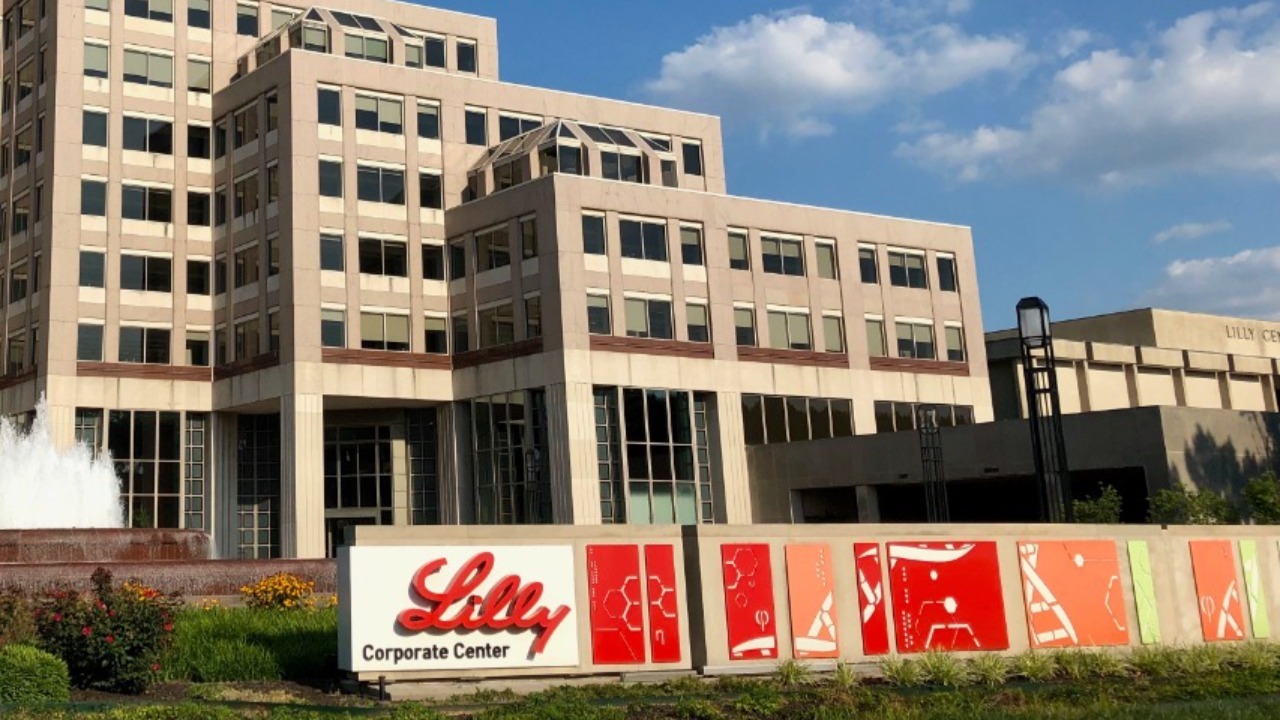
Eli Lilly is planning to invest roughly $1 billion in India’s pharmaceutical manufacturing capacity, with Hyderabad positioned as a potential export base for the company’s global drug supply. The move signals that Lilly is looking at India not merely as a market for its products but as a production base for global demand, as it works to expand manufacturing capacity for its fast-growing diabetes and obesity medicines. The scale of the commitment, and the speed with which it was announced, raises a pointed question: can contract manufacturing in India reliably deliver the quality and volume a major global drugmaker needs?
Why Hyderabad Gets the Factory Floor
The Government of Telangana confirmed that Eli Lilly plans to invest 9,000 crore rupees, approximately $1 billion, in Hyderabad to expand contract manufacturing operations. The stated purpose is to strengthen global supply and exports, not to serve the Indian domestic market alone. That distinction matters: Lilly is effectively choosing Hyderabad as a node in its worldwide production network, putting the city in the same strategic conversation as its facilities in the United States and Europe for outbound drug shipments. For a multinational that typically guards its manufacturing footprint closely, dedicating such a large sum to a single Indian hub underscores how central the city has become to its long-term supply planning.
Hyderabad’s appeal is practical rather than symbolic. The city already hosts a dense cluster of pharmaceutical companies, contract development and manufacturing organizations, and regulatory-compliant facilities that have passed inspections by agencies including the U.S. Food and Drug Administration. For Lilly, tapping into that existing ecosystem means faster ramp-up times compared with building greenfield plants in higher-cost geographies, where permitting, construction, and validation can stretch over many years. The contract manufacturing model also lets the company scale output without absorbing all of the fixed overhead itself, a meaningful advantage when demand for specific therapies can swing sharply from quarter to quarter and when investors are watching capital intensity as closely as revenue growth.
Mounjaro Demand as the Driving Force
The timing of this investment is closely linked to the surge in demand for Lilly’s injectable metabolic drugs. Reporting from Reuters notes that the company is explicitly targeting India as a global export hub amid booming sales of Mounjaro, its tirzepatide-based treatment for type 2 diabetes and obesity. Since launch, that drug class has reshaped expectations for both weight management and cardiometabolic care, leaving manufacturers scrambling to match supply with unprecedented patient interest. For Lilly, adding an export platform in India is positioned as a response to that demand surge, aimed at expanding supply for international markets.
This approach carries real trade-offs, though. Relying on third-party manufacturers for a product as high-profile as Mounjaro introduces quality-control dependencies that Lilly does not face at its own plants. If a contract partner stumbles on regulatory compliance or batch consistency, the reputational and financial fallout lands squarely on Lilly, even if the root cause lies outside its walls. The company appears to be betting that India’s contract manufacturing infrastructure has matured enough to support large-scale production under stringent quality and regulatory requirements. That assumption will be tested as production ramps up and regulators in importing countries scrutinize output from Hyderabad-linked supply chains.
What the $1 Billion Bet Means for Global Drug Supply
If Lilly’s Hyderabad expansion delivers as planned, the effects will extend well beyond one company’s balance sheet. India already ranks among the world’s largest pharmaceutical exporters by volume, but much of that output consists of generic medicines and active pharmaceutical ingredients rather than patented biologics. A $1 billion commitment from a major innovator to manufacture branded therapies for export could start to shift the composition of India’s pharma exports toward higher-value, higher-margin products. That, in turn, may encourage more multinational drugmakers to consider India not just for back-end chemistry but for full-finish manufacturing of injectable and biologic therapies destined for regulated markets.
For global health systems, additional capacity in India could modestly ease the supply bottlenecks that have dogged newer metabolic drugs, especially if Hyderabad becomes a reliable source of finished doses for North America, Europe, and emerging markets. Yet the benefits will depend on how effectively Lilly and its contract partners manage regulatory expectations, technology transfer, and workforce training. Any major quality lapse could prompt regulatory action that reverberates across the broader Indian industry, not just Lilly’s supply chain. Conversely, a clean track record from the Hyderabad facilities would strengthen the case for using India as a manufacturing base for other complex therapies, potentially lowering production costs and expanding access to advanced treatments worldwide.
More From The Daily Overview
*This article was researched with the help of AI, with human editors creating the final content.

Grant Mercer covers market dynamics, business trends, and the economic forces driving growth across industries. His analysis connects macro movements with real-world implications for investors, entrepreneurs, and professionals. Through his work at The Daily Overview, Grant helps readers understand how markets function and where opportunities may emerge.

