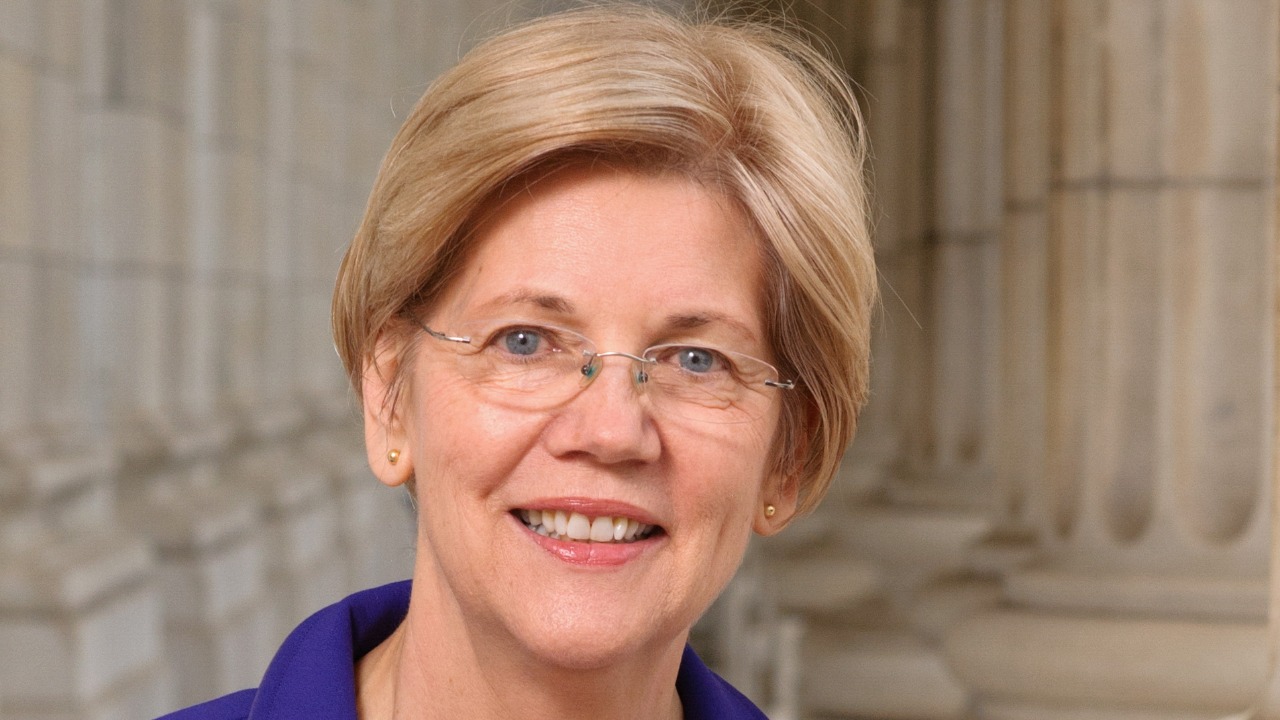
Senator Elizabeth Warren is renewing pressure for a sizable Social Security expansion, arguing that a flat $200 monthly increase would help older Americans who have seen their budgets shredded by rising prices and medical costs. Her push comes as the program’s cost-of-living adjustments have struggled to keep pace with what retirees actually spend, leaving many seniors falling further behind even as headline inflation cools.
I see Warren’s proposal as part of a broader fight over how to treat Social Security in an era of demographic strain and political gridlock, with one side framing it as a promise to be strengthened and the other warning about the program’s long-term finances. The debate is no longer abstract: it is playing out in household budgets, in the solvency projections for the trust funds, and in the 2024 and 2026 campaign messages that will shape what happens next.
Why Warren wants a $200 monthly boost
Warren’s call for a $200 increase in monthly Social Security checks is rooted in a simple claim, that current benefits are not enough to cover the real costs seniors face, especially for housing, food, and health care. She has argued that the official inflation formula used for annual cost-of-living adjustments understates the price pressures on older adults, who spend a larger share of their income on medical care and prescription drugs than the broader population, and that a flat-dollar increase would immediately lift the floor for retirees, disabled workers, and survivors who rely on the program as their primary income source, according to recent coverage.
In policy terms, the $200 figure is not arbitrary, it is designed to be large enough to matter for low- and middle-income beneficiaries while still being administratively simple and politically legible. Warren has tied the benefit hike to a broader package that would also change how cost-of-living adjustments are calculated, shifting to an index that better reflects seniors’ spending patterns, and would enhance minimum benefits for workers with long careers at low wages, as described in the same analysis. That structure allows her to argue that the plan is both a short-term lifeline and a long-term recalibration of how the system treats aging Americans.
The economic squeeze on seniors
Behind Warren’s push is a stark reality: Social Security benefits have not fully shielded retirees from the surge in living costs over the past several years. Even with historically large cost-of-living adjustments, many older Americans report that their checks are not stretching as far as they did before the pandemic, particularly when it comes to rent, utilities, groceries, and Medicare-related expenses, a pattern documented in surveys of beneficiaries and in official inflation data that show medical and shelter costs rising faster than the overall index in several recent years, according to benefits reporting.
The squeeze is especially acute for the roughly 40 percent of retirees who depend on Social Security for at least half of their income, and for the subset who rely on it for 90 percent or more, a group that includes many widows, disabled workers, and people with limited savings. For them, a $200 monthly increase would represent a meaningful share of their budget, potentially covering a Medicare Part D premium, a typical electric bill, or several weeks of groceries, as illustrated by case studies of low-income seniors in recent coverage of cost-of-living adjustments. Warren’s argument is that without a structural boost, these households will continue to fall behind even if headline inflation moderates.
How Warren would pay for a larger benefit
Any serious Social Security expansion has to answer the question of how to finance it, and Warren has been explicit that she would raise taxes on higher earners rather than cut benefits or increase the retirement age. Her plan would apply Social Security payroll taxes to wages above a new threshold, creating a “donut hole” in which earnings between the current cap and the new level remain untaxed while very high incomes are brought back into the system, according to detailed descriptions. She has also backed applying the tax to certain forms of investment income for top earners, arguing that the current structure under-taxes wealth relative to work.
Supporters of this approach say it would both fund the $200 monthly increase and extend the solvency of the Social Security trust funds without cutting promised benefits, aligning with polling that shows broad opposition to reductions. Critics counter that significantly higher payroll taxes on high earners could have labor market effects or encourage tax avoidance, and they argue that any expansion should be weighed against the program’s existing long-term shortfall, which the Social Security trustees project will require either higher revenues, lower benefits, or some combination if left unaddressed, as summarized in the latest trustees report coverage. Warren’s bet is that voters will accept targeted tax increases at the top in exchange for more generous and more secure benefits across the board.
Solvency fears and the politics of expansion
Warren’s proposal lands in a political environment where Social Security’s finances are already a flashpoint, with the program’s combined trust funds projected to be depleted in the next decade if Congress does nothing. Once that happens, incoming payroll taxes would still cover a large share of scheduled benefits, but retirees would face an automatic across-the-board cut unless lawmakers act, a scenario that has been repeatedly highlighted in official projections and in recent reporting on the trustees’ warnings. Opponents of benefit expansions argue that adding new obligations before closing the existing gap is fiscally irresponsible.
Politically, however, proposals like Warren’s have become a way for Democrats to draw a contrast with Republicans who have floated ideas such as raising the retirement age or changing the benefit formula for younger workers. President Donald Trump has repeatedly vowed not to cut Social Security benefits, and that stance has complicated efforts within his own party to advance structural changes, as described in coverage of the entitlement debate. In that context, Warren’s $200 boost functions not only as a policy blueprint but also as a marker in a broader struggle over whether the next round of Social Security legislation will lean toward expansion, retrenchment, or a mix of both.
What it would mean for future retirees
For workers who are still years away from claiming benefits, Warren’s plan signals a different vision of retirement security than the one implied by proposals that focus solely on solvency. By pairing a higher monthly benefit with a more generous minimum for long-term low-wage workers and a cost-of-living formula tailored to seniors, she is effectively arguing that Social Security should replace a larger share of pre-retirement earnings for those at the bottom and middle of the income distribution, while asking more from those at the top, a structure outlined in policy summaries of her bill. That approach would narrow projected retirement income gaps between higher and lower earners, at least within the Social Security system itself.
At the same time, the debate over Warren’s proposal underscores how much uncertainty younger workers face about what Social Security will look like when they retire. The trustees’ projections, which show the trust funds able to pay full benefits for only a limited period without legislative changes, are already shaping financial planning advice that encourages people in their 30s and 40s to save more on their own, as noted in recent analysis of the program’s outlook. Whether Congress ultimately adopts a version of Warren’s expansion, a more modest solvency fix, or a combination of revenue increases and benefit adjustments will determine whether that advice reflects prudent caution or a permanent shift toward greater individual responsibility in retirement.
More From TheDailyOverview
- Tennessee loses $2.6B megafactory and faces major layoffs
- Retired But Want To Work? Try These 18 Jobs for Seniors That Pay Weekly
- What to do with your pennies after the U.S. stops minting them
- Home Depot CEO warns of a troubling customer trend in stores

Nathaniel Cross focuses on retirement planning, employer benefits, and long-term income security. His writing covers pensions, social programs, investment vehicles, and strategies designed to protect financial independence later in life. At The Daily Overview, Nathaniel provides practical insight to help readers plan with confidence and foresight.

