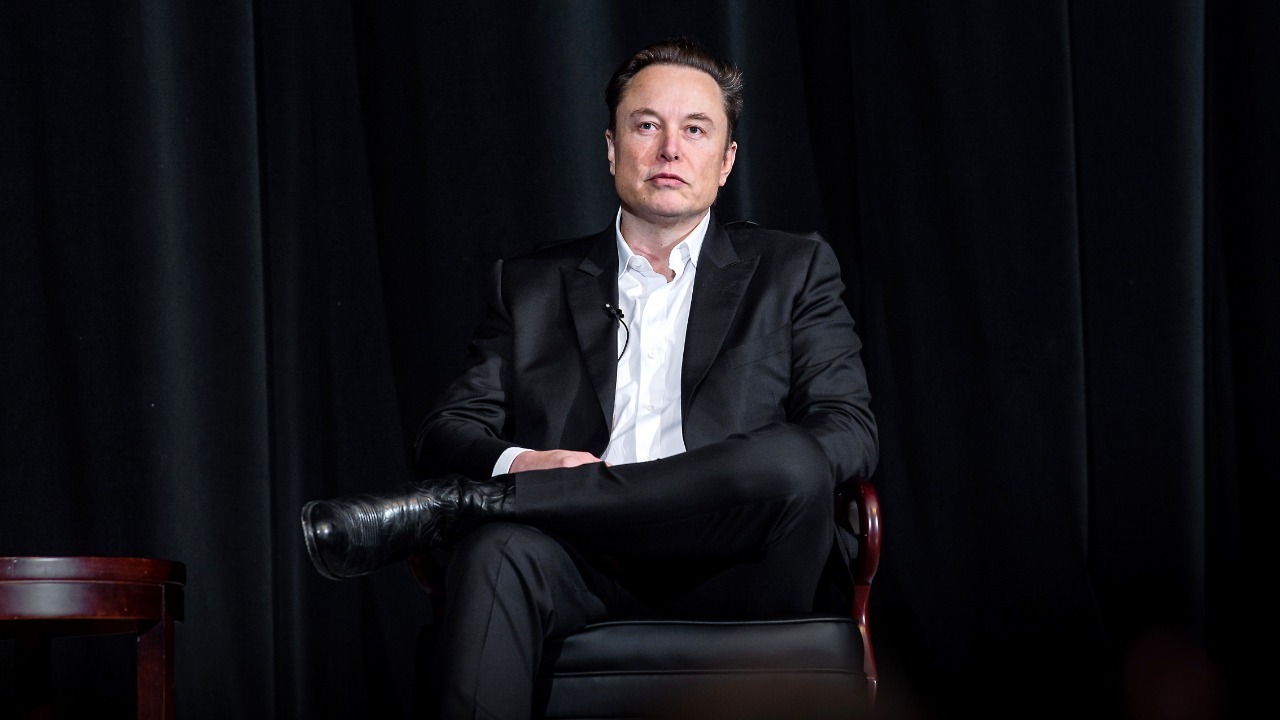
Elon Musk is collapsing the walls between his most ambitious companies, folding artificial intelligence startup xAI into SpaceX in a move that turns a rocket maker into an AI and social media conglomerate. The deal is framed as a way to fund and accelerate his long‑stated goal of building a multiplanetary civilization, while giving his AI project a lifeline and a path to public markets. It is also a high‑risk experiment in whether one corporate structure can credibly run rockets, satellites, data centers, and a frontier AI lab at the same time.
By merging xAI into SpaceX, Musk is effectively betting that the same organization that builds reusable rockets and global satellite networks can also lead the race to build powerful AI systems. The combined company is already being positioned for a blockbuster listing, and its success or failure will ripple across everything from Tesla’s autonomy strategy to how regulators think about concentrated power in space and AI.
The surprise merger that turned SpaceX into an AI conglomerate
The core of the deal is simple: SpaceX is acquiring xAI, and with it the X social platform, pulling rockets, AI research, and social media under one roof. Reporting describes Musk as merging SpaceX with xAI and X in an unprecedented integration that creates a single corporate vehicle for his most controversial and capital‑intensive bets. SpaceX confirmed that it is taking over his artificial intelligence startup, describing a structure that brings space, AI, and media under one roof and formalizes what had already been an informal web of shared leadership and technology.
Earlier this week, Musk said directly that SpaceX has acquired xAI, presenting the move as a logical extension of his vision to extend human life on and off Earth. In his telling, the AI startup had been struggling to keep pace with rivals, and folding it into SpaceX gives it access to deep pockets, satellite infrastructure, and a clearer mission. Public statements about the deal emphasize that SpaceX on Monday confirmed it is taking over his AI firm and that the combined operation will bring space, AI, and media under one roof, a framing echoed in separate coverage that notes Musk says SpaceX has acquired xAI and that the latest merger with SpaceX is meant to align his AI work with his space ambitions, as reflected in SpaceX’s confirmation and in reports that Musk says the acquisition is complete.
A bailout for xAI and a launchpad for a $1.25 trillion IPO
Behind the rhetoric about mission alignment sits a more prosaic reality: xAI needed help. Coverage of the transaction describes SpaceX as effectively bailing out xAI in a mega‑deal after investors poured billions into the startup and it still lagged behind larger AI labs. One report notes that SpaceX announced it has acquired xAI after investors committed around $6 billion in xAI last month, and characterizes the move as a bailout that also raises questions about what it means for Tesla and its own AI efforts, a dynamic captured in analysis that SpaceX has bailed out xAI and that the deal will inevitably affect Tesla’s positioning.
At the same time, the merger is being framed as a prelude to a historic stock market debut. Reporting on the combined company says it is expected to price its IPO at a valuation of $1.25 trillion, a figure that would instantly place it among the world’s most valuable firms. Another account notes that Elon Musk is combining rocket maker SpaceX with his artificial intelligence startup ahead of a potential IPO, describing a structure in which SpaceX will own 100 percent of X.AI Holdings and positioning the merger as a way to bring his rocket and AI businesses into a single company before an expected listing, as detailed in coverage that explains how Elon Musk is the entities and in reports that describe how he is joining his rocket and AI businesses into a single company before an expected IPO.
How AI, Starlink, and Grok fit into Musk’s space playbook
Musk has long argued that advanced AI and global connectivity are essential tools for a spacefaring civilization, and the new structure makes that argument concrete. The deal will combine several of his offerings, including his AI chatbot Grok, his satellite communications company Starlink, and the X social platform, into a single corporate framework. Reporting on the merger notes that these assets will be used to build AI systems that can run across a global satellite network and potentially allow data centers to operate in space, with one account explicitly stating that the deal will combine Grok and Starlink and that the resulting infrastructure could allow data centers to operate in space, a vision laid out in coverage of how Grok and Starlink are being pulled into the same orbit.
From Musk’s perspective, putting xAI inside SpaceX also lets him tie AI development directly to the company’s satellite and launch infrastructure. One analysis of the acquisition notes that SpaceX has acquired xAI and that the strategy is to integrate AI development with SpaceX’s satellite infrastructure, effectively turning the company into both a launch provider and a distributed computing platform. Another report explains that SpaceX on Monday acquired xAI, the artificial intelligence startup that also owns the X social media platform, in a deal that combines rockets, satellites, AI, and media and includes plans to build data centers in outer space, as described in coverage that outlines how SpaceX has acquired xAI to align AI with its satellite network and in reports that say SpaceX has acquired xAI in a deal that will include data centers in outer space.
From reusable rockets to orbital data centers
To understand why Musk thinks this fusion makes sense, it helps to look at how SpaceX has already changed the economics of space. The company has been pushing hard for the introduction of a reusable rocket platform as a way to cut launch costs, in contrast to traditional rockets that were used once and burned up on re‑entry. Its Falcon 9 system, which can land and fly again, has become the backbone of the commercial launch market, and reporting on its development notes that SpaceX has been pushing hard for a reusable rocket platform because earlier rockets were used once and would burn up upon re‑entry, a shift captured in analysis of how Falcon 9 changed the cost structure of spaceflight.
SpaceX is now trying to repeat that trick at a larger scale with Starship, which Musk has called the holy grail of rocketry because it is designed to be fully reusable. In one account, Starship is described as achieving what he called “the holy grail of rocketry,” a fully reusable rocket, and Musk is quoted as saying it is what he is spending most of his time on. Another report notes that, like the Falcon 9, SpaceX (Space Exploration Technologies Corp) has designed both the Super Heavy rocket and the Super Heavy Booster to be reusable in order to reduce orbital, lunar, and interplanetary space travel costs, as detailed in coverage that describes Starship as Musk’s holy grail and in technical reporting that explains how, like the Falcon, Space Exploration Technologies has built Super Heavy and the Super Heavy Booster to be reusable.
More From TheDailyOverview
*This article was researched with the help of AI, with human editors creating the final content.

Grant Mercer covers market dynamics, business trends, and the economic forces driving growth across industries. His analysis connects macro movements with real-world implications for investors, entrepreneurs, and professionals. Through his work at The Daily Overview, Grant helps readers understand how markets function and where opportunities may emerge.

