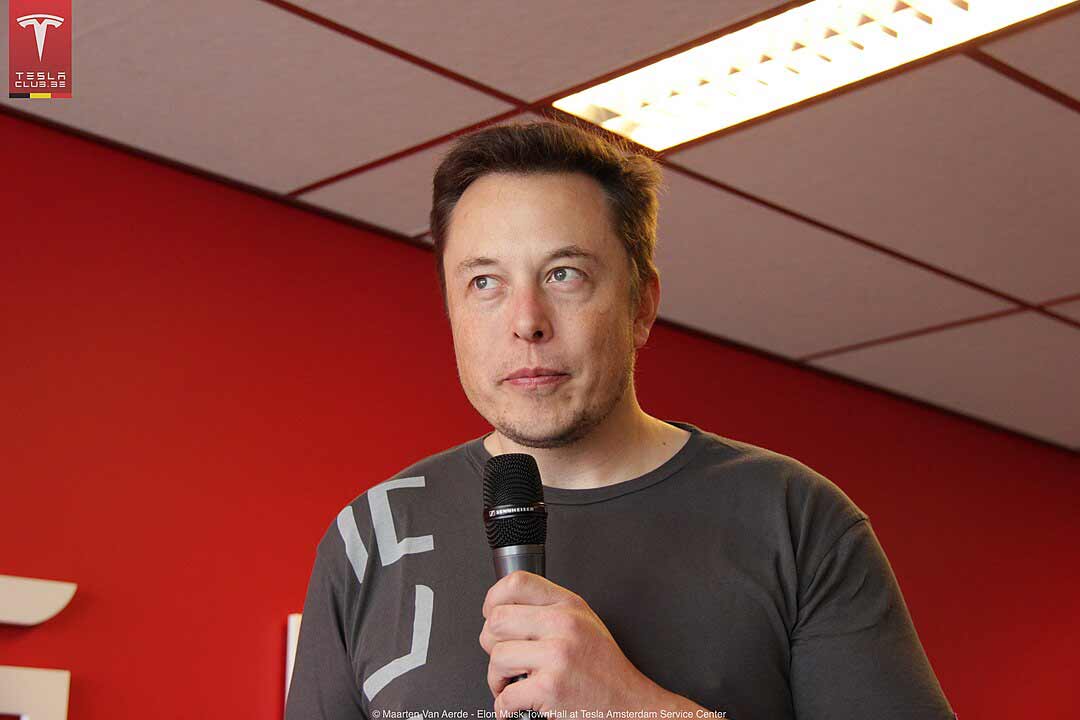
Elon Musk’s latest clash with Bill Gates has pushed a long-simmering Wall Street bet back into the spotlight, as the Tesla chief publicly pressed the Microsoft co-founder to unwind a large short position against the electric car maker. The exchange, which Musk has framed as both a financial miscalculation and a moral misstep, highlights how personal rivalries can intersect with high-stakes wagers on the future of clean technology.
By urging Gates to close what he has called a “crazy” Tesla short, Musk is not only defending his company’s valuation but also challenging one of the world’s most prominent philanthropists over how serious money should align with climate goals. The dispute has become a proxy for a broader debate about whether betting against Tesla is a rational hedge or a vote of no confidence in the transition to electric vehicles.
Musk’s public pressure campaign on Gates’s Tesla bet
Musk has treated Gates’s short position as more than a routine market trade, casting it instead as a high-profile bet against the company that helped mainstream electric vehicles. In his telling, a short of this size is irrational given Tesla’s role in pushing battery technology, scaling EV production, and forcing legacy automakers to accelerate their own electric lineups, which is why he has described the position as “crazy” and urged Gates to exit it. That framing turns a private portfolio decision into a public test of conviction about whether Tesla’s long-term trajectory justifies its valuation and its central place in the clean energy narrative, a point Musk has reinforced by tying the company’s success to broader emissions reductions and EV adoption milestones backed by industry data.
By calling out Gates directly, Musk has also sharpened the contrast between their respective approaches to climate action, positioning Tesla’s market-driven disruption against Gates’s more diversified, research-heavy strategy. Musk has argued that shorting Tesla undercuts a flagship decarbonization effort at the very moment when EV penetration is rising and Tesla’s global deliveries, including models like the Model 3 and Model Y, have become a reference point for the sector’s growth, a claim that aligns with reported figures on vehicle deliveries and EV market share. In that light, his push for Gates to close the position reads less like a plea for personal vindication and more like an attempt to force a prominent skeptic to acknowledge Tesla’s role in reshaping the auto industry.
How Gates’s short fits his broader climate and investment strategy
Gates, for his part, has built a public image around methodical, data-driven philanthropy and investment, especially on climate, which makes his Tesla short an awkward outlier in the eyes of Musk’s supporters. While Gates has poured capital into areas such as advanced nuclear, green hydrogen, and carbon capture through vehicles like Breakthrough Energy, his decision to bet against Tesla suggests a more cautious view of the company’s valuation and competitive moat than Musk’s narrative allows. Reporting on Gates’s climate portfolio shows a preference for backing technologies he sees as underfunded or early stage, which helps explain why he might treat Tesla, a publicly traded giant with a large retail following, as a stock to hedge against rather than a core climate holding, even as he funds other low-carbon ventures.
That tension is what gives Musk’s criticism its sting: if Gates is willing to finance long-shot decarbonization technologies, why maintain a sizable short against one of the most visible EV manufacturers. From a purely financial perspective, shorting Tesla can be defended as a valuation call in a sector where competition from companies like BYD, Volkswagen, and Hyundai is intensifying, a dynamic reflected in recent EV competition analyses. Yet the optics are difficult for a philanthropist who has argued that markets must be harnessed to accelerate climate progress, and Musk has capitalized on that gap by framing the short as inconsistent with Gates’s own rhetoric on aligning capital with climate outcomes.
What the feud reveals about Tesla, short sellers, and climate politics
The Musk–Gates standoff underscores how Tesla has become a lightning rod for broader arguments about speculation, innovation, and the politics of climate investing. Tesla has long been one of the most heavily shorted stocks in the market, attracting hedge funds and individual traders who question its valuation, governance, or execution, even as long-term shareholders point to its profitability, software margins, and energy storage business as justification for a premium multiple, trends documented in recent financial reports. By singling out Gates, Musk is effectively using a famous counterparty to personify a wider short thesis that has persisted despite Tesla’s operational milestones and its central role in pushing EVs into the mainstream.
The dispute also highlights a deeper divide over how climate leadership is defined in an era when technology companies, philanthropies, and governments are all vying to shape the transition. Musk’s argument implies that betting against Tesla is tantamount to betting against rapid decarbonization of road transport, while Gates’s diversified approach suggests that no single company should be treated as synonymous with the climate solution set, a perspective reflected in his backing of multiple climate-focused startups. In practice, both views can be true: investors can question Tesla’s stock price while still supporting EV adoption, and philanthropists can fund a wide range of technologies while avoiding concentrated exposure to any one automaker. What Musk’s call for Gates to close his “crazy” short really exposes is how personal rivalries and public signaling now shape the narrative around climate finance as much as balance sheets and emissions data do.
More From TheDailyOverview
- Dave Ramsey says these two simple questions show whether you’re rich or poor
- Retired But Want To Work? Try These 18 Jobs for Seniors That Pay Weekly
- IRS raises capital gains thresholds for 2026 and what’s new
- 12 ways to make $5,000 fast that actually work

Grant Mercer covers market dynamics, business trends, and the economic forces driving growth across industries. His analysis connects macro movements with real-world implications for investors, entrepreneurs, and professionals. Through his work at The Daily Overview, Grant helps readers understand how markets function and where opportunities may emerge.

