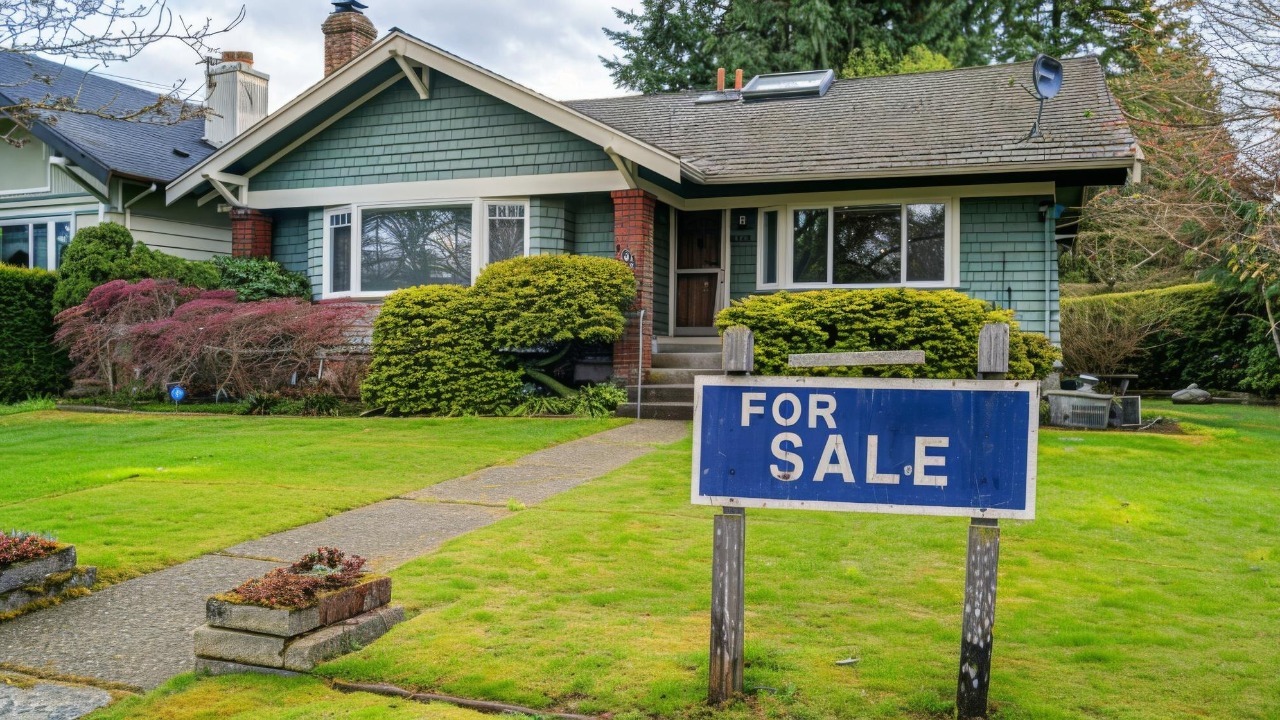
Across the country, the classic empty nest script is breaking down. Instead of cashing out of large “forever homes” and downsizing, many baby boomers are staying put, even as those properties become harder to sell at the prices they expect. The result is a growing sense of regret among owners who feel trapped in houses that no longer fit their lives, and a housing market where younger buyers and older sellers are increasingly out of sync.
The myth of the easy boomer exit
For years, policymakers and real estate professionals counted on a so‑called “silver tsunami” of listings as baby boomers aged, freeing up family homes for younger buyers. That wave has not arrived. Instead, research cited in Five shows that the expected surge of boomer-owned properties hitting the market has barely created a ripple, with older owners holding on to homes that were once assumed to be temporary waystations on the path to retirement communities. A new survey from Clever Real Estate research shows, 90% of boomer-owned homes are not expected to reach the market until the 2030s, a delay that is reshaping inventory forecasts and frustrating would‑be buyers.
The resistance to selling is not just anecdotal. A separate survey of Boomers from the same research group found that 61% plan to stay put indefinitely, preferring to age in place rather than trade their current houses for something smaller or more manageable. That stubbornness is echoed in a separate release that states 61% of Boomers Never Plan to Sell Their Homes, While 76% Say They are Tired of Blame for Housing Crisis, underscoring how emotionally charged the decision to stay or go has become.
Empty nest regret meets a brutal market reality
Even among those who would like to move, the path out is not straightforward. Reporting on Empty nest regret describes boomers who assumed their four‑bedroom colonials and sprawling split‑levels would be snapped up by young families, only to discover that today’s buyers are wary of high maintenance costs, long commutes and dated layouts. The number of older owners aging in place has risen sharply, according to analysis cited by Why, leaving some with properties that feel more like financial anchors than retirement assets.
At the same time, the broader market is unforgiving. A breakdown of how Boomers Never Plan To Sell Their Homes details the ripple effects on Millennials and Gen Z, noting that younger buyers make up just 3% of some segments of the market as they struggle with affordability and limited listings. Earlier data in the same analysis points out that in October 2018 there were over 1.3 m homes for sale in the United States, while the share of available inventory has since fallen to a record low of 21%, a squeeze that leaves boomers with fewer move‑down options even if they are ready to list.
Why boomers feel stuck in “forever homes”
Financial and psychological forces are locking many older owners in place. A detailed look at boomer housing choices notes that When mortgage rates are too low to give up, trading a 3% loan for something closer to 7% can feel like a non‑starter, even if the new home is smaller. Across the country, many older owners are sitting on large houses that no longer match their household size, yet the math of selling and buying again looks punishing, especially in markets where property taxes and closing costs eat into equity.
On top of that, a significant share of older Americans simply cannot afford the alternatives. One analysis warns that Most baby boomers cannot afford assisted living and are weighing on the housing market by staying in their homes, a dynamic that one prominent market watcher described as “crazy.” For retirees on fixed incomes, even age‑restricted communities can be a disappointment, with Nov reporting that unplanned expenses in 55‑plus developments are prompting some residents to flee in search of less exclusivity and lower costs.
How boomer decisions are reshaping affordability
The choice to stay put is not happening in a vacuum. A press release framed as Two thirds (65%) of boomer homeowners believe younger generations could own a home if they were more responsible, while they themselves remain reluctant to move into rentals or retirement communities. Another summary titled Oct reiterates that 61% of Boomers Never Plan to Sell Their Homes, While 76% Say They are Tired of Blame for Housing Crisis, even as it acknowledges that many have no immediate plans to downsize. That tension, between personal preference and systemic impact, is at the heart of today’s affordability debate.
The consequences are visible in the data on first‑time buyers. A recent analysis finds that the United States housing market is Between record prices and high borrowing costs, “starved” for affordability, with the average age of a first‑time buyer climbing toward 40. Another report on Boomers Take Over the Housing Market in 2025 notes that Millennials Get Priced Out as Boomers Leverage Cash While Millennials struggle to compete with older buyers who can write checks backed by decades of equity. In that environment, every large house that stays off the market for another decade keeps pressure on prices for the smaller pool of homes that do change hands.
Clashing expectations at the closing table
Even when boomers list their properties, the gap between what they want and what buyers will pay can be wide. A video analysis titled Like describes a “lethal combo” of high rates and stubborn seller expectations that has blocked homebuyers from the market, highlighting a mismatch between what owners think their homes are worth and what stretched buyers can realistically afford. A separate commentary on Sep bluntly tells “you boomers empty nesters” that they are sitting on homes that nobody wants or soon will not want, pointing to aging floor plans, oversized yards and energy‑inefficient construction that younger households see as liabilities rather than selling points.
Part of the disconnect stems from how boomers view their own role in the crisis. A detailed release titled New Survey Reveals Boomers Expect Six Figure Home Selling Profits But No Blame for Unaffordable Housing notes that many older owners anticipate six‑figure gains when they eventually sell, even as they reject the idea that their decisions contribute to high prices. Owning a home has long been framed as a personal achievement rather than a policy issue, and the same survey suggests that boomers are more likely to point to factors like zoning or institutional investors as the real culprits behind unaffordable housing.
Fear, loyalty and the pull of home
Beyond spreadsheets and surveys, there is a powerful emotional story behind boomer reluctance to move. A real estate blog on why older owners are fearful of selling notes that the traditional empty nest storyline is no longer guaranteed, as many prefer to remain in familiar neighborhoods rather than start over in communities dominated by Americans who are under 35. For some, the house is a repository of family history and identity, not just an asset, and the idea of handing it to strangers can feel like a loss that no sale price can fully offset.
At the same time, the broader narrative that boomers are uniquely to blame for the housing crunch is too simple. A release framed as silver tsunami skepticism points out that earlier forecasts underestimated how long people would live, how expensive senior care would become and how deeply attached many would remain to their homes. Another survey of Boomers Never Plan to Sell Their Homes, While Say They are Tired of Blame for Housing Crisis underscores that frustration, even as the data make clear that older owners’ choices are now central to the country’s affordability puzzle. The regret some feel about being stuck in oversized houses is real, but so is the fear of what lies beyond the front door if they finally decide to leave.
More From TheDailyOverview

Elias Broderick specializes in residential and commercial real estate, with a focus on market cycles, property fundamentals, and investment strategy. His writing translates complex housing and development trends into clear insights for both new and experienced investors. At The Daily Overview, Elias explores how real estate fits into long-term wealth planning.

