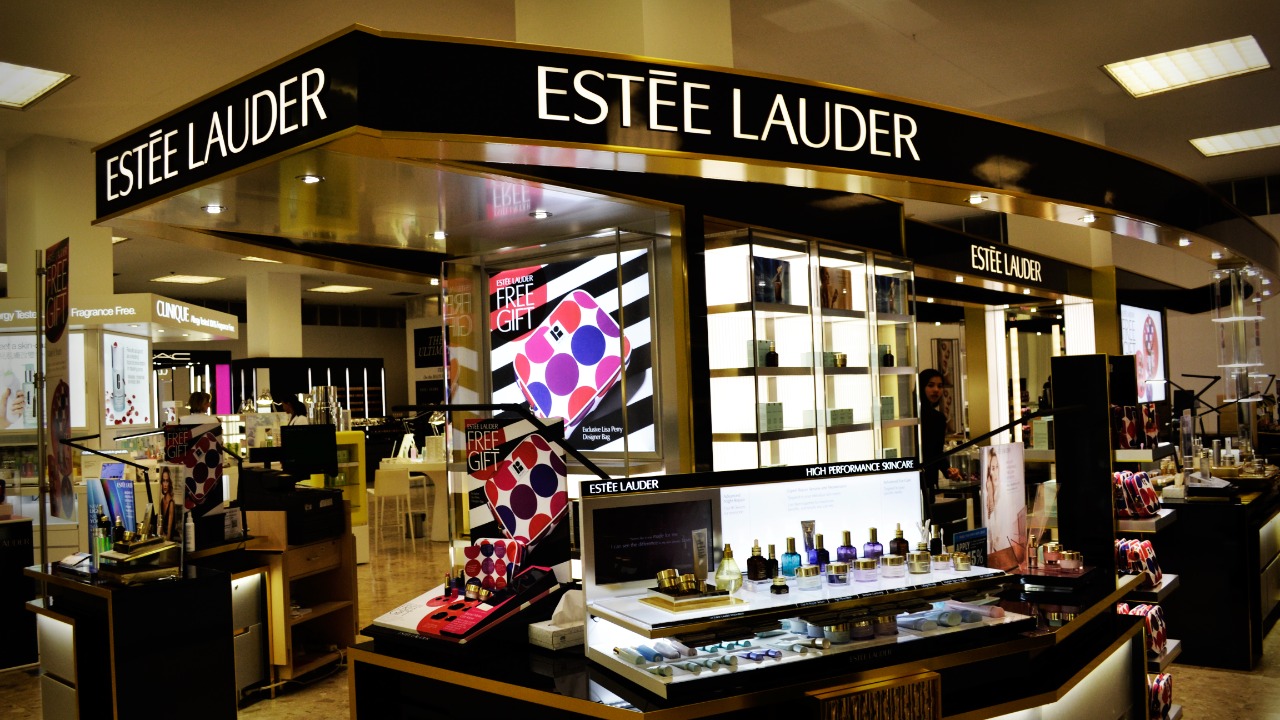
Estée Lauder has taken direct aim at Walmart, accusing the retail giant of allowing “despicable” counterfeit beauty products to flourish on its fast‑growing online marketplace. The lawsuit, filed in California federal court, turns a long‑simmering industry worry about fakes into a high‑stakes legal and reputational clash between one of the world’s biggest beauty groups and one of its largest retailers.
At its core, the case is about who bears responsibility when third‑party sellers use a household retail name to move knockoff luxury creams and fragrances. By calling out Walmart so forcefully, Estée Lauder is signaling that it sees marketplace operators, not just anonymous vendors, as accountable for protecting brands and consumers.
The lawsuit that jolted the beauty and retail worlds
In its complaint, Estée Lauder alleges that Walmart’s online marketplace hosted counterfeit versions of some of its most coveted brands, including La Mer, Le Labo, Clinique, Aveda and Tom Ford. According to the filing, shoppers browsing the main Walmart site were presented with listings that used Estée Lauder trademarks and imagery in ways the company says were likely to mislead them into believing the goods were genuine. I see that as a direct challenge to the idea that marketplaces are just neutral platforms, rather than active participants in how products are presented and sold.
Estée Lauder’s filing describes the alleged conduct as “despicable,” arguing that Walmart knowingly allowed these listings to remain live even as complaints mounted. Reporting on the case notes that Estée Lauder sued Walmart over the way this allegedly fake merchandise was offered to consumers, tying the alleged counterfeits directly to the retailer’s marketplace strategy. A related account underscores that Estée Lauder sued Walmart over counterfeit La Mer, Le Labo and Clinique products that appeared on the platform, reinforcing how central those prestige names are to the dispute and to the company’s broader brand equity.
Inside Estée Lauder’s legal strategy
The Estée Lauder Cos. is not simply asking for a slap on the wrist. In the California case, the company is pursuing trademark infringement and related claims, arguing that Walmart’s conduct is likely to cause consumer confusion about the origin and authenticity of its products. One detailed report notes that Estee Lauder sued Walmart in California federal court and framed the alleged counterfeit fragrances as likely to cause exactly that kind of confusion, a key legal threshold in trademark law that Estée Lauder will have to prove to prevail in front of a judge or jury. By centering confusion, Estée Lauder is effectively saying that Walmart’s marketplace blurred the line between authorized and unauthorized channels in a way that the law should not tolerate.
Estée Lauder is also asking the court for strong injunctive relief. The company wants defendants ordered to stop selling the disputed items and any other goods that bear Estée Lauder Cos. trademarks without authorization, according to a summary of what Lauder is requesting from the court. That same account notes that Lauder is seeking to bar sales of any products that could be confused with its brands, aligning this case with a broader wave of trademark fights, including actions by other companies such as Vans over lookalike shoes. In parallel, another report on Estée Lauder Sues Walmart Over Alleged Counterfeit Fragrances emphasizes that Lauder is targeting Walmart’s marketplace model in California, underscoring that this is not a narrow dispute over a single shipment but a structural challenge to how the platform handles high‑end beauty.
What Estée Lauder says Walmart did wrong
Estée Lauder’s core accusation is that Walmart failed to police its marketplace even as it became a major channel for third‑party sellers of prestige beauty. One detailed account of the case explains that Estée Lauder sued Walmart over alleged counterfeit fragrances that included Tom Ford and Le Labo, arguing that the retailer’s systems allowed unauthorized sellers to trade on the cachet of those names. Another summary of the same litigation notes that Estee Lauder sued Walmart in California and tied the alleged fakes to the retailer’s marketplace structure, reinforcing the idea that the problem is not a one‑off rogue vendor but the way the platform is designed and governed.
Estée Lauder’s filing also points to specific brands and product lines that it says were counterfeited, including La Mer, Le Labo and Clinique, and it argues that Walmart’s marketplace presentation made it difficult for shoppers to distinguish between authorized and unauthorized listings. One report on Estée Lauder sues Walmart alleging “despicable” sale of counterfeit beauty products highlights that La Mer, Le Labo and Clinique were among the brands at issue, while a separate summary of Estée Lauder sues Walmart over alleged counterfeit products in marketplace notes that Lauder is seeking to halt sales of any items bearing ELC trademarks that are not genuine. In my view, that combination of specific brand references and broad injunctive demands shows that Estée Lauder is using this case to send a message to every retailer that hosts third‑party sellers, not just to Walmart.
Walmart’s marketplace under growing scrutiny
The lawsuit lands at a sensitive moment for Walmart’s digital ambitions. The company has been aggressively expanding its third‑party marketplace, positioning it as a rival to other large e‑commerce platforms and a key growth engine. A recent social media clip noted that Walmart’s fast‑growing marketplace was exposed by a CNBC investigation that surfaced ongoing customer complaints about fake products purchased on the platform, suggesting that Estée Lauder’s claims are landing in an environment where shoppers are already wary. That kind of public scrutiny can be just as damaging as any court ruling, especially for a retailer that has spent years trying to convince brands that its marketplace is a safe place for premium goods.
Walmart has previously said it has a zero‑tolerance policy for counterfeit products and has tightened its vetting process in response to concerns about fakes. A consumer‑focused investigation into online shopping scams reported that Walmart, citing earlier coverage, had strengthened its checks on marketplace sellers and reiterated that zero‑tolerance stance, while also offering guidance on how shoppers can spot fake products and sellers. That same piece, which walked through how to spot fake products and sellers while online shopping, underscored that Walmart’s response was driven in part by coverage of counterfeit complaints linked to its marketplace. Against that backdrop, Estée Lauder’s decision to sue Walmart for its alleged role in facilitating these sales, as described in a separate account of Estée Lauder sues Walmart for selling counterfeit beauty products, suggests that the brand was not satisfied with the retailer’s assurances or enforcement efforts.
Why this fight matters for beauty brands and shoppers
For Estée Lauder, the stakes go far beyond one retailer. The company’s portfolio spans prestige names like La Mer, Le Labo, Clinique and Aveda, and its business model depends on tight control over distribution, pricing and product integrity. A detailed breakdown of the case by Kathryn Hopkins notes that The Estée Lauder Cos. has filed a trademark infringement suit that specifically cites brands such as Clinique, La Mer and Aveda, and that the company is pressing its claims against WMT as it seeks to protect EL from erosion of its brand value. Another account of Estée Lauder Sues Walmart Over Alleged Counterfeit Fragrances frames the case as part of a broader push by Lauder to clamp down on “dupe” fragrances that mimic its scents, reinforcing how central authenticity is to the group’s long‑term strategy.
More From The Daily Overview
*This article was researched with the help of AI, with human editors creating the final content.

Grant Mercer covers market dynamics, business trends, and the economic forces driving growth across industries. His analysis connects macro movements with real-world implications for investors, entrepreneurs, and professionals. Through his work at The Daily Overview, Grant helps readers understand how markets function and where opportunities may emerge.