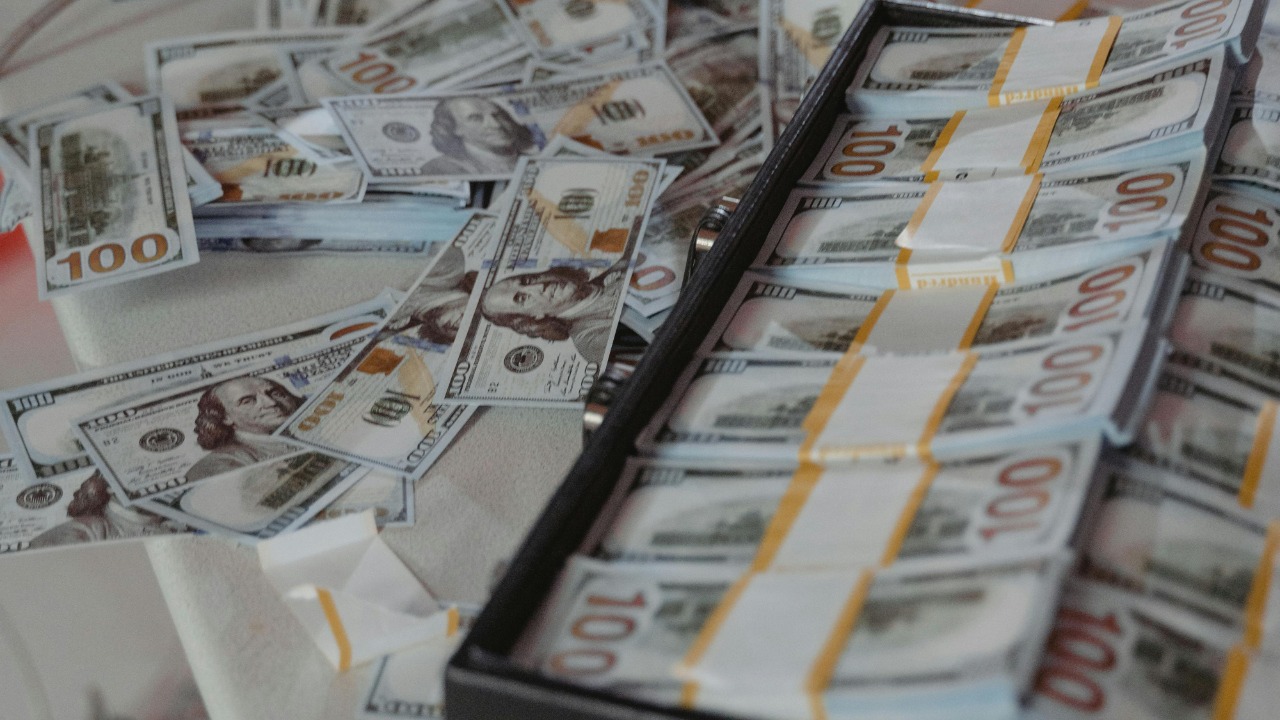
Europe’s leaders are discovering that a weaker US currency is both an opening and a threat. As the euro climbs and the dollar slips, the continent faces a stark question: can it afford the economic and political cost of trying to loosen the greenback’s grip on global finance. The answer hinges on whether modest growth at home, fragile export industries and unfinished reforms can sustain a long campaign to elevate the euro.
I see a continent caught between strategic ambition and economic caution. The euro’s rise to around $1.20 has revived long standing dreams of monetary autonomy, yet it has also exposed how deeply Europe’s prosperity, security and financial plumbing still depend on the US dollar and on decisions taken in Washington.
The euro’s surge and the weak dollar dilemma
The immediate trigger for Europe’s soul searching is the currency market. Within hours of the euro breaching $1.20, officials in Brussels and Frankfurt were forced to confront what a stronger common currency really means. On one level, it is a vote of confidence in the Eurozone’s resilience and in the credibility of the European Central Bank. On another, it is a warning that Europe’s exporters, already squeezed by sluggish global demand, could lose price competitiveness just as the recovery gains traction.
The European Central Bank now finds itself in a bind. A stronger euro helps contain imported inflation, but it also tightens financial conditions in an economy that still relies on cheap credit. At the same time, ECB policymakers are openly worried that a weak dollar, shaped by unpredictable US economic policy, could destabilize global capital flows and complicate their own rate path.
Growth, exports and the cost of a strong currency
The macro backdrop makes this currency drama more than a technical story. Across the continent, growth is modest at best, with Germany Economy still the bellwether. In Frankfurt, Containers stacked around the financial hub of Frankfurt, Germany, on a recent Friday, capture both the resilience and the fragility of the export machine. Manufacturers can at least plan for steady demand, but they now face a currency that makes their goods more expensive in key markets priced in dollars.
The problem is magnified by the fact that the dollar is at its weakest for 4 1/2 years, which directly erodes the price advantage of European exports in the United States. At the same time, domestic demand is being propped up by European services businesses, from hairdressers to medical treatment, that are growing moderately but remain sensitive to any tightening in financial conditions. I see policymakers trying to square a circle: they want a stronger global role for the euro without sacrificing the export led model that still underpins jobs in Germany and beyond.
Strategic autonomy meets financial dependence
Behind the market jitters lies a deeper strategic debate. In Strategic Europe, analyst Steven Everts, who is Director at the EU Institute of Security, argues that Europe’s biggest underpriced risk is its financial dependence on the United States. I share that assessment. The continent is rearming and trying to build a more autonomous security posture, yet its financial system still runs through dollar based markets and US controlled payment channels.
That vulnerability has been thrown into sharp relief by the return of tariffs and the weaponization of trade. A recent analysis of Europe’s strategic wake up call notes that the return of tariffs and the limits of accommodation have re entered the political toolkit, underscoring how exposed the continent is when Washington chooses confrontation. In that context, the euro’s international role is not a vanity project but a shield against future shocks, from sanctions to sudden shifts in US monetary policy.
Trust in the Fed, politics in Washington and Europe’s panic reflex
The political backdrop in the United States is amplifying European anxiety. According to Reuters, Some European central banking and supervisory officials are now openly asking whether they can still rely on the Federal Reserve and on dollar liquidity under President Donald Trump, particularly after episodes of tariffs imposed on allies. I read that as a profound shift: what used to be an unspoken assumption of trust in US institutions is now a live policy question in European capitals.
Market analysts like Mike Dolan have pointed out that Europe’s euro worries mirror the US dollar dilemma, with both sides grappling with the consequences of political decisions taken in the White House a year ago. On the European side, Governments and central bankers cannot suppress their panic reflex at signs of dollar weakness, because they know that a sudden loss of confidence in US assets could trigger capital flight, volatility and pressure on Eur itself.
Digital euro, policy ambition and the price of leadership
Faced with these risks, European policymakers are trying to turn vulnerability into strategy. European Commissioner for Dombrovskis has argued that the EU Needs Digital Euro to Become Independent From in payment systems that are currently dominated by non European providers, a case he made in remarks at 10:56 on a January morning. I see the digital euro as more than a technological upgrade. It is a political project designed to give Europe its own rails for cross border payments, sanctions enforcement and potentially even energy invoicing, all areas where the dollar currently reigns.
At the same time, European Central Bank chief Lagarde has told a European audience that the EU has a unique opportunity to challenge dollar dominance simply by speeding up reforms. That message, echoed in European investor circles, suggests that the cost of inaction may be higher than the short term pain of a stronger currency. Yet I cannot ignore the political constraints: fragmented fiscal policy, divergent national interests and the ever present fear of backlash from industries that live or die by the exchange rate.
More From TheDailyOverview
*This article was researched with the help of AI, with human editors creating the final content.

Grant Mercer covers market dynamics, business trends, and the economic forces driving growth across industries. His analysis connects macro movements with real-world implications for investors, entrepreneurs, and professionals. Through his work at The Daily Overview, Grant helps readers understand how markets function and where opportunities may emerge.

