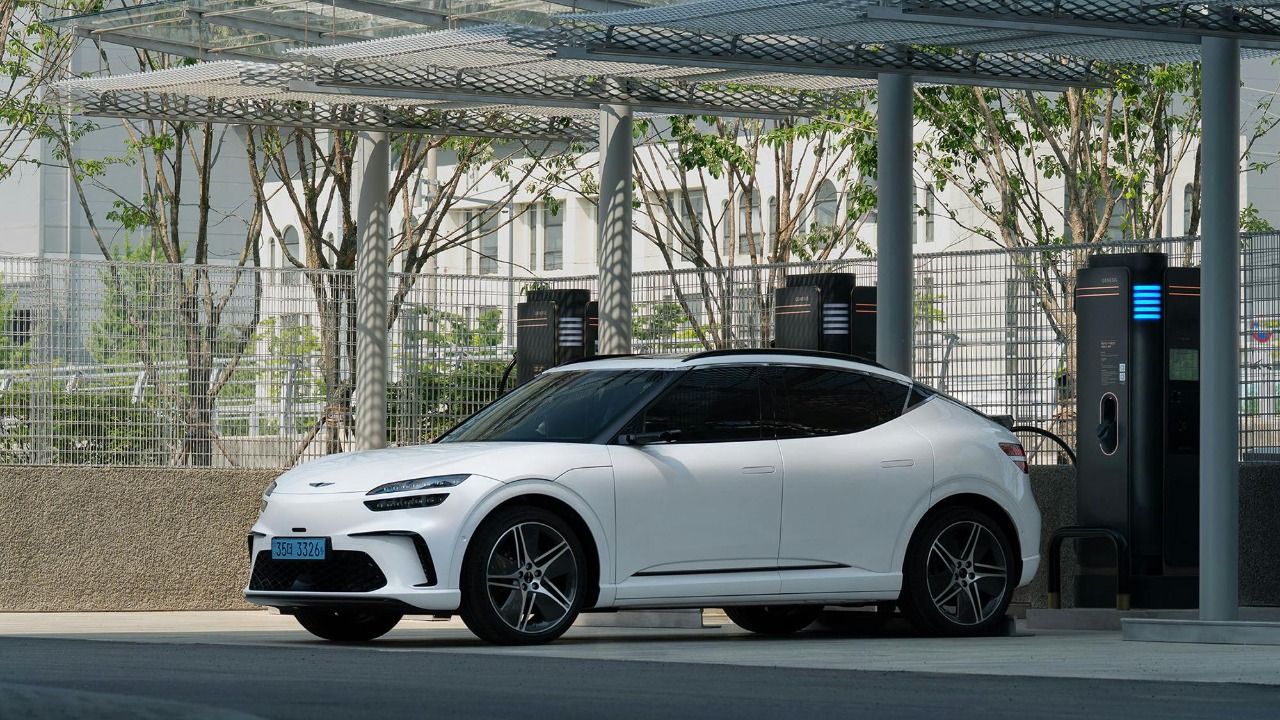
Electric vehicle (EV) sales have reached unprecedented heights globally, with a remarkable surge in November 2024, driven largely by China’s relentless growth in the sector. This remarkable achievement comes after a period of skepticism earlier in the year when analysts questioned whether EV sales might actually decline. By October 2025, the EV market had not only met but exceeded expectations, proving the hype was indeed real. Interestingly, Mazda also broke its own sales records without offering a single EV model, highlighting a unique path to success in the evolving automotive landscape.
Early Skepticism in the EV Market
In early 2024, the EV market faced a wave of skepticism. An analysis published on February 14, 2024, posed the once unthinkable question of whether electric vehicle sales could decline that year. This concern stemmed from fears of market saturation and infrastructure challenges that seemed to threaten the momentum of EV adoption. The question highlighted a period of uncertainty, as stakeholders worried about the potential plateau in consumer interest and the readiness of charging networks to support widespread EV use. However, these doubts were soon countered by strategic policy interventions.
Tax credits and policy supports played a crucial role in reversing the narrative of potential decline. Governments around the world, particularly in the United States, introduced incentives that made EVs more financially accessible to consumers. These measures not only alleviated fears of a slowdown but also reinforced the viability of EVs as a sustainable transportation option. The evolving narrative around EV viability was further strengthened by technological advancements that improved vehicle range and affordability, making the transition to electric more appealing to a broader audience.
China’s Surge Fuels Global Records
November 2024 marked a pivotal moment for the global EV market, as sales shattered records largely due to China’s unstoppable growth. China’s domestic manufacturing boom and robust consumer demand accounted for the majority of new EV registrations, propelling global sales to unprecedented levels. This surge was not just a local phenomenon; it had significant implications for the international automotive industry. China’s dominance in the EV sector created ripple effects, pushing global automakers to innovate and compete in this rapidly expanding market.
The implications of China’s leadership in EV adoption are profound. As the country continues to drive the global market, other nations and manufacturers are compelled to adapt to the shifting landscape. China’s policies, which prioritize sustainable transportation and support domestic EV production, have set a benchmark for others to follow. This has spurred international competition, encouraging automakers worldwide to enhance their EV offerings and align with the growing consumer demand for environmentally friendly vehicles.
Overall EV Sales Exceed Expectations
By October 2025, electric vehicle sales had not only met but exceeded expectations, validating the long-standing hype surrounding EV adoption. The market’s resilience was evident in the record-breaking momentum that turned skeptics into supporters. Key factors contributing to this success included improved affordability, enhanced vehicle range, and strategic government incentives. In the United States, for instance, tax credits significantly boosted sales, demonstrating the power of financial incentives in driving consumer behavior.
Key metrics from 2025 reporting underscore the EV market’s robust growth. Year-over-year sales figures highlight a significant increase in EV adoption, reflecting a shift in consumer preferences towards sustainable transportation options. This growth occurred without relying on hybrid compromises, indicating a strong commitment to fully electric vehicles. The success of the EV market serves as a testament to the industry’s ability to innovate and adapt, meeting the demands of an increasingly environmentally conscious global population.
Mazda’s Parallel Path to Success
While the EV market thrived, Mazda took a different route to success, shattering sales records on January 2025, without a single EV in its lineup. Instead, Mazda capitalized on the strong demand for internal combustion and hybrid models, demonstrating the ongoing viability of traditional powertrains in a transitioning auto industry. Mazda’s strategy focused on reliability and pricing appeals, capturing market share by catering to consumers who were not yet ready to make the switch to electric.
Mazda’s achievement offers broader lessons for the automotive industry. It highlights the importance of diversification and the need to cater to a wide range of consumer preferences. While the shift towards electric vehicles is undeniable, Mazda’s success underscores that there is still a significant market for non-electric vehicles. This dual approach allows automakers to maintain a competitive edge by offering a variety of options to meet the diverse needs of consumers in a rapidly changing market.

Elias Broderick specializes in residential and commercial real estate, with a focus on market cycles, property fundamentals, and investment strategy. His writing translates complex housing and development trends into clear insights for both new and experienced investors. At The Daily Overview, Elias explores how real estate fits into long-term wealth planning.

