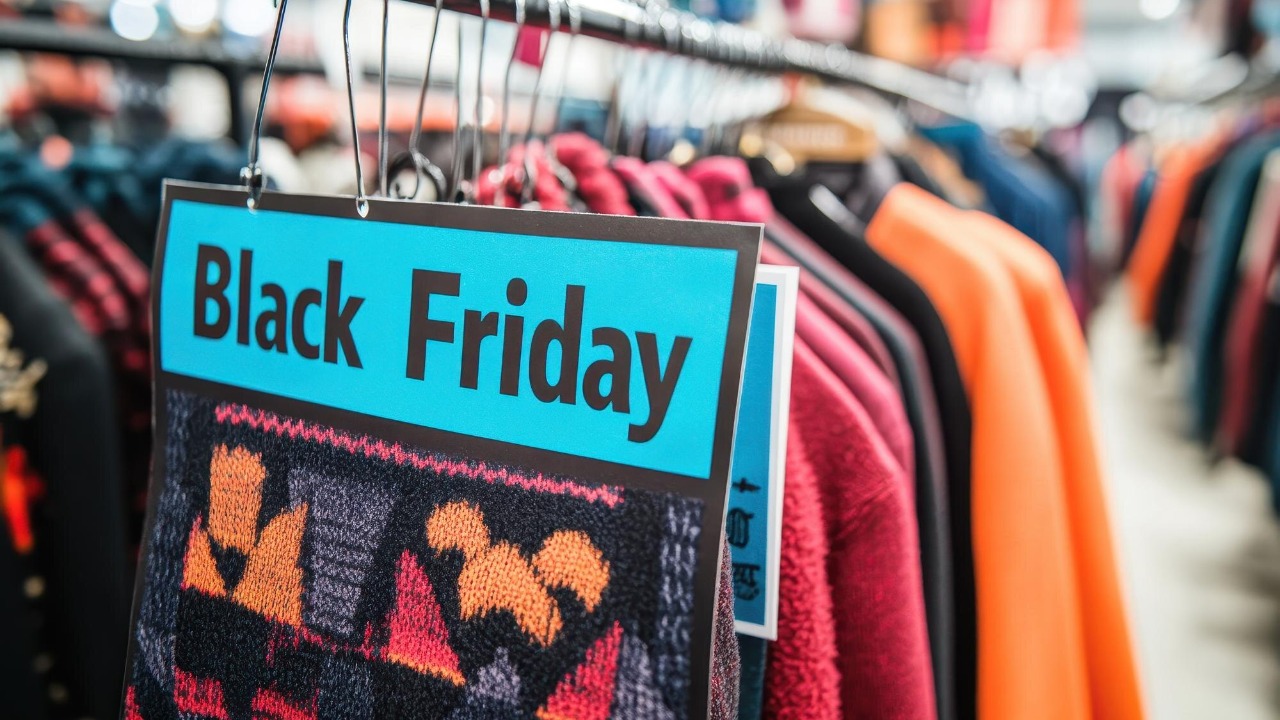
Black Friday has grown so large that even secondhand shops now hang sale signs, turning already cheap racks into doorbuster territory. As shoppers stretch paychecks and rethink how they consume, the hunt for bargains is colliding with a broader shift toward resale, sustainability, and algorithm-driven deal chasing.
I see thrift stores, big-box chains, and online marketplaces converging on the same playbook: limited-time discounts, app-only offers, and data-fueled pricing that keep people refreshing their phones as much as they roam the aisles. The result is a holiday shopping season where the line between clearance bin and curated “find” is thinner than ever.
Thrift stores join the Black Friday frenzy
Secondhand retailers used to sit outside the traditional holiday rush, but now they are leaning into the same promotional calendar as national chains. I see local thrift shops advertising half-off clothing, color-tag specials, and early-bird hours that mirror the tactics of big-box stores, only layered on top of already low prices. That shift reflects how resale has moved from niche to mainstream, with shoppers treating Goodwill, Salvation Army, and independent consignment stores as core stops in their seasonal bargain circuit, a trend that aligns with the broader growth of online resale and curated secondhand platforms.
What stands out is how these stores are adopting more sophisticated merchandising to compete for Black Friday attention. Instead of relying solely on random donations, many operators now pre-sort higher value items, hold back premium winter coats or electronics, and roll them out for holiday promotions to create a sense of “drop day” excitement similar to limited releases at major retailers. That strategy echoes how larger resale players time their inventory and discounts around peak shopping periods, using data on search patterns and sell-through rates to decide when to push categories like outerwear or small appliances, a playbook visible in the way resale platforms talk about seasonality and demand.
Inflation, tight budgets, and the new bargain hierarchy
Behind the surge in secondhand Black Friday deals is a simple reality: household budgets are under pressure, and shoppers are reordering what counts as a “good” deal. Instead of treating thrift stores as a last resort, many people now start their search there, then move up the price ladder only if they cannot find what they need. That behavior tracks with reporting that shows consumers trading down across categories, from private-label groceries to refurbished electronics, as they respond to higher prices and interest rates, a pattern reflected in recent analyses of consumer price trends and discretionary spending.
At the same time, I see a hierarchy emerging inside the bargain world itself. New-in-box items at big-box retailers compete with open-box and refurbished goods on marketplaces, while thrifted apparel and home goods sit alongside “like new” listings on resale apps. Shoppers compare all of these options in real time, often standing in a store aisle while checking prices on their phones. That cross-channel comparison is reinforced by the way major retailers and resale platforms now surface refurbished and “pre-loved” categories directly in search results, making it easier to weigh a thrift-store find against an online alternative before committing to a purchase.
Resale platforms turn secondhand into a Black Friday staple
While brick-and-mortar thrift shops are hanging sale banners, digital resale platforms are turning Black Friday into a multi-week event. I see companies like Poshmark, Depop, and ThredUp layering sitewide promotions, seller-boosted discounts, and free-shipping thresholds to keep buyers engaged from early November through Cyber Monday. Those tactics mirror the extended holiday calendars of major e-commerce players, and they are backed by data on when users search for specific brands, sizes, and categories, as described in platform updates on resale growth and user behavior.
These platforms also blur the line between personal closet clean-out and professional retail operation. Individual sellers now plan their own “Black Friday” drops, schedule price cuts, and use promoted listings to surface their inventory during peak traffic windows. I see that as a sign that secondhand has fully entered the mainstream retail cycle, with algorithms and seller tools shaping what used to be a purely serendipitous experience. The prominence of curated “holiday shops,” gift guides, and authenticated luxury sections on resale sites, supported by reporting on the expansion of authentication programs, shows how secondhand is being packaged as a polished, reliable option rather than a dusty alternative.
Big-box retailers weaponize data to keep bargain hunters in-house
Even as thrift and resale gain ground, large retailers are not ceding the bargain hunter to secondhand competitors. I see chains like Walmart, Target, and Best Buy using detailed customer data to tailor Black Friday and Cyber Monday offers, pushing personalized deals through apps and loyalty programs that are designed to keep shoppers from drifting to resale sites. These companies analyze purchase histories, store visit patterns, and online browsing to decide which categories get the deepest discounts and which items can rely on brand loyalty, a strategy that aligns with reporting on how major retailers deploy data and AI to shape promotions.
That data-driven approach extends to inventory and pricing decisions that directly affect how attractive secondhand alternatives look. When a retailer can forecast demand for a specific TV model or gaming console and adjust orders accordingly, it can avoid the kind of stockouts that once pushed frustrated shoppers toward used markets. At the same time, dynamic pricing tools let these companies tweak discounts in response to competitor moves, including resale listings, which are increasingly visible through price comparison tools and search results. I see this feedback loop, documented in analyses of advanced retail analytics, as a key reason why Black Friday has become a continuous negotiation between new and used, rather than a one-day race to the bottom.
Sustainability messaging meets the thrill of the hunt
As bargain hunting intensifies, sustainability has become both a selling point and a justification for buying more. Thrift stores and resale platforms frequently frame their Black Friday promotions as a greener alternative to fast fashion and mass-produced goods, highlighting the environmental benefits of extending product life. That narrative is backed by research showing that reusing clothing and electronics can significantly reduce carbon emissions and resource use compared with buying new, a point underscored in lifecycle analyses cited by resale impact reports and circular economy studies.
I also see shoppers adopting this language to reconcile the tension between frugality and consumption. Picking up a secondhand Patagonia jacket or a refurbished iPhone during a holiday sale can feel like both a financial win and an ethical choice, especially when platforms quantify the estimated water or emissions savings alongside each purchase. Yet the same tools that promote sustainability can also encourage volume buying, as apps gamify savings and environmental impact with badges, streaks, and progress bars. Reporting on consumer behavior in green markets suggests that this “moral licensing” effect is real, which means the rise of secondhand Black Friday deals may reduce waste per item while still feeding the overall culture of constant acquisition.
What Black Friday’s thrift boom signals about the future of shopping
When even thrift stores run doorbusters, it signals a deeper shift in how people think about value, ownership, and retail itself. I see the holiday season turning into a stress test for every part of the shopping ecosystem, from donation-based nonprofits to AI-optimized mega chains, as each tries to capture the same cost-conscious, phone-tethered customer. The growing overlap between new and used channels, documented in reports on fashion resale growth and omnichannel retail, suggests that future Black Fridays will be less about where something is bought and more about how quickly and cheaply it can be surfaced to the right buyer.
For now, the winners are the shoppers who are willing to cross those boundaries, toggling between a half-off rack at a neighborhood thrift store and a flash sale on a resale app while standing in a big-box aisle. I expect that behavior to harden into habit, especially as younger consumers, who are already comfortable with secondhand marketplaces and dynamic pricing, gain more spending power. The fact that Black Friday now stretches from thrift basements to authenticated luxury resale and algorithm-tuned big-box deals, all supported by increasingly granular data on what people want and when, points to a retail future where “bargain hunting” is not a seasonal sport but the default mode of shopping.
More From TheDailyOverview
- Dave Ramsey says these two simple questions show whether you’re rich or poor
- Retired But Want To Work? Try These 18 Jobs for Seniors That Pay Weekly
- IRS raises capital gains thresholds for 2026 and what’s new
- 12 ways to make $5,000 fast that actually work

Cole Whitaker focuses on the fundamentals of money management, helping readers make smarter decisions around income, spending, saving, and long-term financial stability. His writing emphasizes clarity, discipline, and practical systems that work in real life. At The Daily Overview, Cole breaks down personal finance topics into straightforward guidance readers can apply immediately.

