The federal government is dangling unprecedented cash and cultural cachet to fill Immigration and Customs Enforcement ranks, from $50,000 hiring bonuses to a $100 million influencer blitz aimed at gun-rights and military communities. The strategy has delivered a flood of applications, but it has also sharpened questions about who is being drawn to wield that authority and why. I see a recruitment model that may solve a numbers problem while deepening concerns about accountability, culture, and the kind of power ICE agents are being encouraged to exercise.
Big money and a bigger mandate
ICE is in the middle of a historic expansion, backed by a surge of funding and political will to harden immigration enforcement. After the passage of HR 1, the administration secured $45 billion for immigration detention and $32 for related enforcement, a scale of investment that has turned ICE into one of the best funded arms of domestic law enforcement. That money underwrites a hiring push that includes a signing bonus of up to $50,000, student loan repayment of up to $60,000, and up to 25% in premium pay, turning a once obscure agency into a marquee federal employer.
Those incentives are not limited to new recruits. ICE has also targeted retirees, offering former federal employees a $50,000 signing bonus spread out over three years, on top of existing federal benefits and pension payments. At the same time, the Department of Homeland Security has said that Immigration and Customs Enforcement is on track to hire 10,000 new officers, a scale that would reshape the agency’s footprint in communities across the country. The money is real, the growth is rapid, and the stakes for how that power is used are only getting higher.
The $100 million influencer gamble
Alongside the cash, ICE has embraced a recruitment strategy that looks more like a lifestyle brand launch than a traditional federal hiring drive. Officials are planning to spend $100 m over a one year period to recruit gun-rights supporters and military veterans, leaning heavily on social media personalities and conservative media figures. Internal planning describes an effort designed to reach audiences across conservative media and culture, including listeners of right-leaning talk radio and viewers of a video platform popular with conservatives, with the goal of making ICE service look aspirational and even glamorous.
That influencer-heavy approach is not a side project, it is central to the agency’s growth plan. ICE officials earlier outlined a proposal to spend $100 million over a one year period to recruit gun rights and military support through influencers, with the expectation that a single campaign could bring more than 5,000 applications. A separate description of the same strategy notes that U.S. ICE officials are planning to spend $100 million over a one year period to reach those same gun-rights supporters and military communities through a video platform popular with conservatives. The agency is betting that cultural affinity, not just salary tables, will deliver the workforce it wants.
Bonuses, culture wars, and who signs up
The money on offer is eye catching even by federal standards, and it is already reshaping who is interested in the job. ICE has touted a signing bonus of up to $50,000 and student loan repayment of up to $60,000 as part of what it calls its most successful federal law enforcement recruitment campaign. Another program offers former employees a $50,000 bonus, split into installments of $10,000, $15,000, and $25,000, to lure back experienced personnel who already know the system. These are the kinds of figures that can erase years of student debt or fund a down payment on a house, and they send a clear message that the government is willing to pay a premium for aggressive enforcement capacity.
Yet even some insiders have voiced unease about what that premium might buy. Reporting on the recruitment surge notes that, However, even those who are insiders believe the surge in recruitment is a bad idea, with one former official, Speaking to the Associated Press, warning that the combination of big checks and culture war messaging risks attracting people more interested in confrontation than careful casework. That critique does not dispute the need for staffing, it questions whether a bounty-style approach, amplified by influencers, can reliably filter for judgment, restraint, and respect for civil rights.
Tom Homan’s role and credibility questions
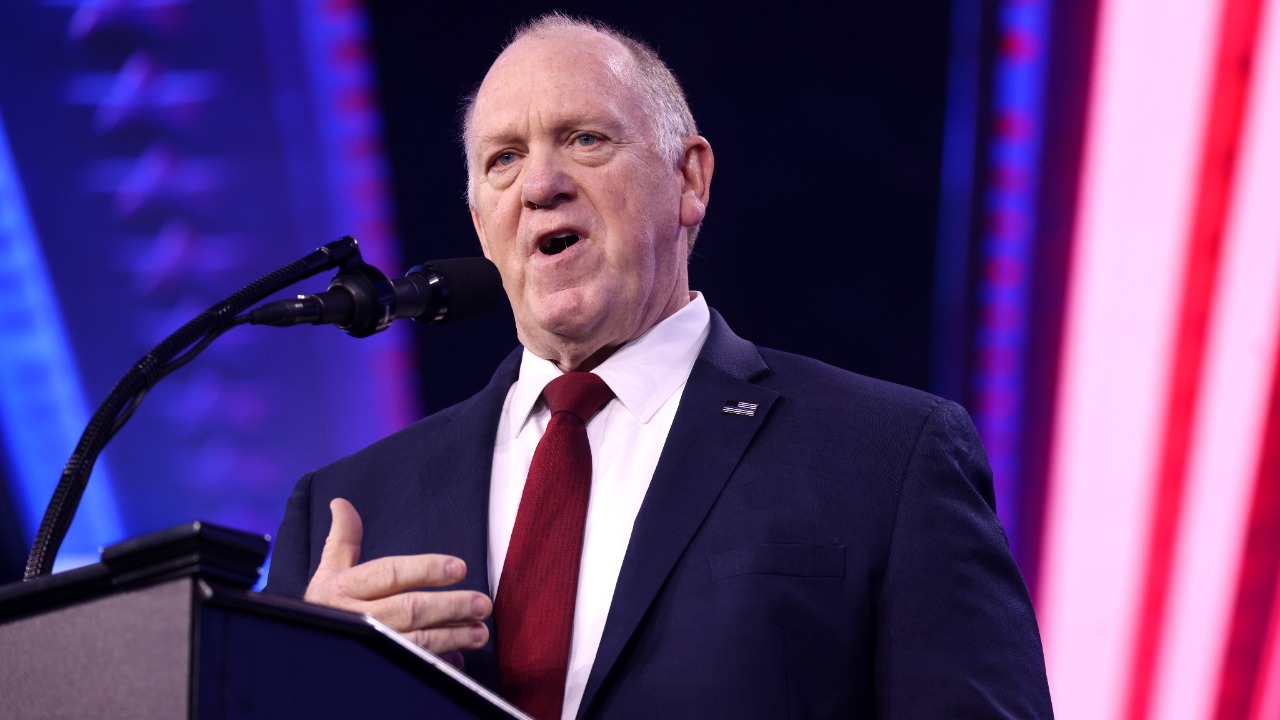
Into this mix steps Tom Homan, the former acting head of ICE who has become one of the most vocal champions of tougher immigration enforcement. As President Trump’s border adviser, Homan has pushed for the agency to grow faster and lean harder into conservative media ecosystems. Reporting on his efforts notes that Homan backed plans in Jul for ICE officials to spend $100 m over a one year period on influencer-driven outreach to gun rights and military audiences, explicitly tying the agency’s image to the culture of armed patriotism. That alignment is not accidental, it is a deliberate attempt to recruit from communities that already see immigration enforcement as a frontline in a broader ideological struggle.
Homan’s own conduct has also come under scrutiny in ways that complicate his role as the face of this expansion. Earlier this month, one investigation revealed that Earlier reporting showed Homan was caught accepting $50,000 in cash from undercover agents in Sept, and that an associate, Calderas, also reportedly accepted $10,000. Those allegations, which Homan has denied, do not directly dictate how ICE should recruit, but they do raise hard questions about whether the public should take his assurances about integrity and oversight at face value while he advocates for rapid growth and lavish incentives.
Applications surge, but quality concerns linger
On paper, the recruitment blitz is working. ICE officials say the agency has already received more than 220,000 applications and issued over 18,000 tentative job offers, a volume that would have been unthinkable before the current wave of bonuses and influencer campaigns. DHS has described this as part of a record recruiting year, with Immigration and Customs Enforcement singled out as a standout performer in the broader law enforcement hiring landscape. For an agency that has long struggled with vacancies in remote border sectors and high turnover in urban field offices, the numbers are a clear short term win.
Yet even as the application totals climb, the administration’s own targets remain out of reach, and the quality of the applicant pool is harder to measure than the quantity. Internal assessments acknowledge that the number of hires is still below the administration’s stated goals, despite the ICE hiring surges facilitated by new incentives and centralized processing. At the same time, the influencer strategy is explicitly designed to reach gun-rights supporters and military-aligned audiences through conservative media, as described in internal planning that says The effort is designed to tap into those networks. That may produce agents who are highly motivated and comfortable with firearms, but it also risks reinforcing a warrior mindset in a role that often involves complex legal processes, family separations, and sensitive community interactions.
More From The Daily Overview

Grant Mercer covers market dynamics, business trends, and the economic forces driving growth across industries. His analysis connects macro movements with real-world implications for investors, entrepreneurs, and professionals. Through his work at The Daily Overview, Grant helps readers understand how markets function and where opportunities may emerge.

