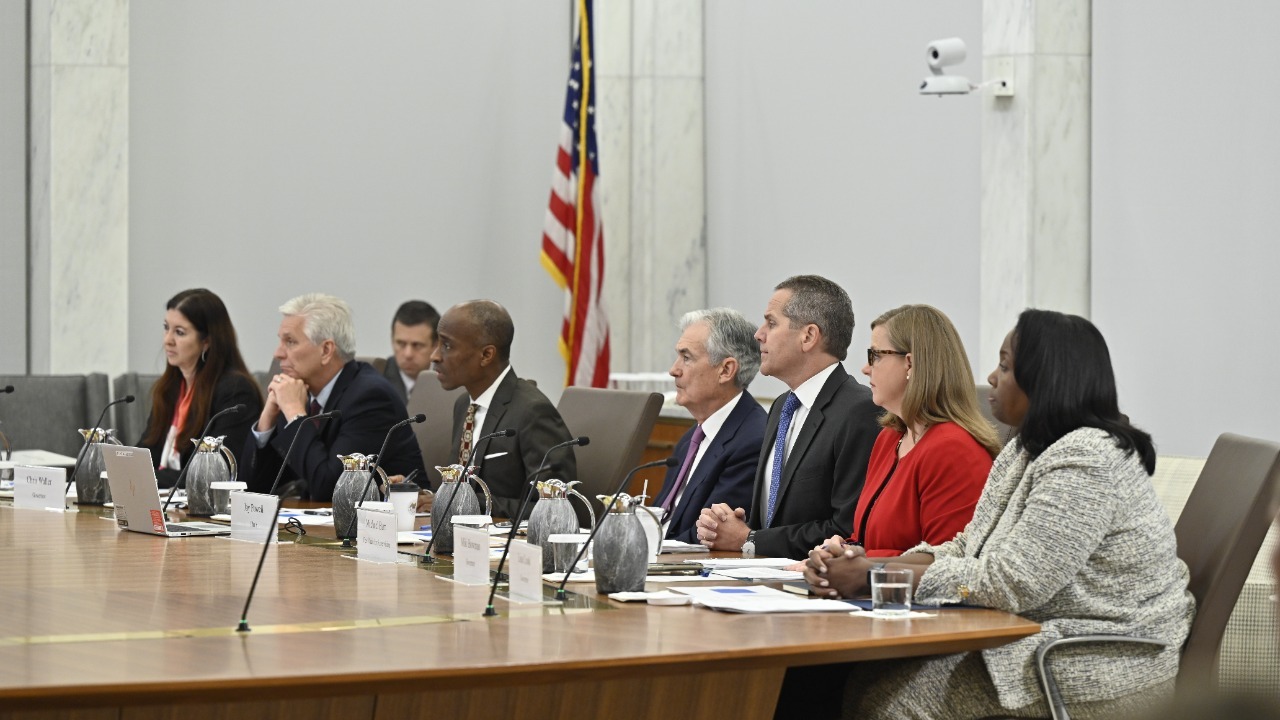
The Federal Reserve’s potential decision on interest rates in December remains a focal point for markets, with experts offering varied predictions amid ongoing economic uncertainty. As of October 29, 2025, analysts are debating the likelihood of a rate cut, highlighting shifts from earlier expectations of sustained higher rates due to persistent inflation signals.
Current Fed Stance and Recent Signals
The Federal Reserve’s latest statements from its October 2025 meeting have provided some clarity on its current stance. Chair Jerome Powell emphasized the need to balance inflation control with employment goals, which has tempered expectations for immediate action compared to summer projections. This cautious approach reflects the Fed’s commitment to its dual mandate, even as inflationary pressures persist.
Recent economic data releases, such as the Consumer Price Index (CPI) figures, have shown inflation remaining above target levels. These figures have played a significant role in signaling a more cautious Fed approach than anticipated three months prior. The data suggests that while inflation remains a concern, the Fed is wary of acting too hastily, which could destabilize the economic recovery.
Internal divisions within the Fed have also influenced market expectations. Hawkish views from members like Michelle Bowman have gained prominence since September, reducing the odds of a December cut from over 80% to around 50% in futures markets. This shift underscores the complexity of the Fed’s decision-making process as it navigates conflicting economic signals.
Expert Predictions and Divergent Views
Economists at firms like Goldman Sachs have presented a bullish perspective, advocating for a 25-basis-point cut in December based on softening labor market data. This marks a change from their prior hold-steady forecast in July 2025, reflecting a shift in their assessment of economic conditions. The argument for a cut is bolstered by signs of a cooling labor market, which could alleviate some inflationary pressures.
In contrast, analysts at JPMorgan maintain a bearish outlook, predicting no cut due to robust GDP growth. This stance highlights the divergence in expert opinions, as earlier consensus in spring 2025 favored multiple reductions. The strong GDP figures suggest that the economy may still have momentum, reducing the urgency for a rate cut.
Neutral takes from independent experts, such as those cited in recent MarketWatch reporting, weigh the risks of recession if rates stay elevated. These experts caution that maintaining high rates could stifle economic growth, potentially leading to a downturn.
Market Reactions and Stakeholder Impacts
Stock market volatility has been a notable reaction to Fed signals, with the S&P 500 experiencing a 2% dip following the October jobs report. This decline reflects investor uncertainty and a shift from the prior optimism seen in early fall. The market’s response underscores the high stakes involved in the Fed’s upcoming decision, as investors adjust their strategies based on evolving expectations.
For borrowers and consumers, the implications of the Fed’s stance are significant. Higher mortgage rates are likely to persist into year-end, impacting homebuyers in key regions like the Midwest, where affordability has worsened since mid-2025. This trend highlights the broader economic impact of the Fed’s policies on everyday Americans, particularly those looking to enter the housing market.
In the bond market, 10-year Treasury yields have risen to 4.2% amid doubts about a December cut. This increase signals broader effects on corporate borrowing costs compared to the lower-yield environment of six months ago. As companies face higher financing costs, the potential for reduced investment and slower growth becomes a concern for economic stakeholders.
More From TheDailyOverview
- Dave Ramsey warns to stop 401(k) contributions
- 11 night jobs you can do from home (not exciting but steady)
- Small U.S. cities ready to boom next
- 19 things boomers should never sell no matter what

Grant Mercer covers market dynamics, business trends, and the economic forces driving growth across industries. His analysis connects macro movements with real-world implications for investors, entrepreneurs, and professionals. Through his work at The Daily Overview, Grant helps readers understand how markets function and where opportunities may emerge.

