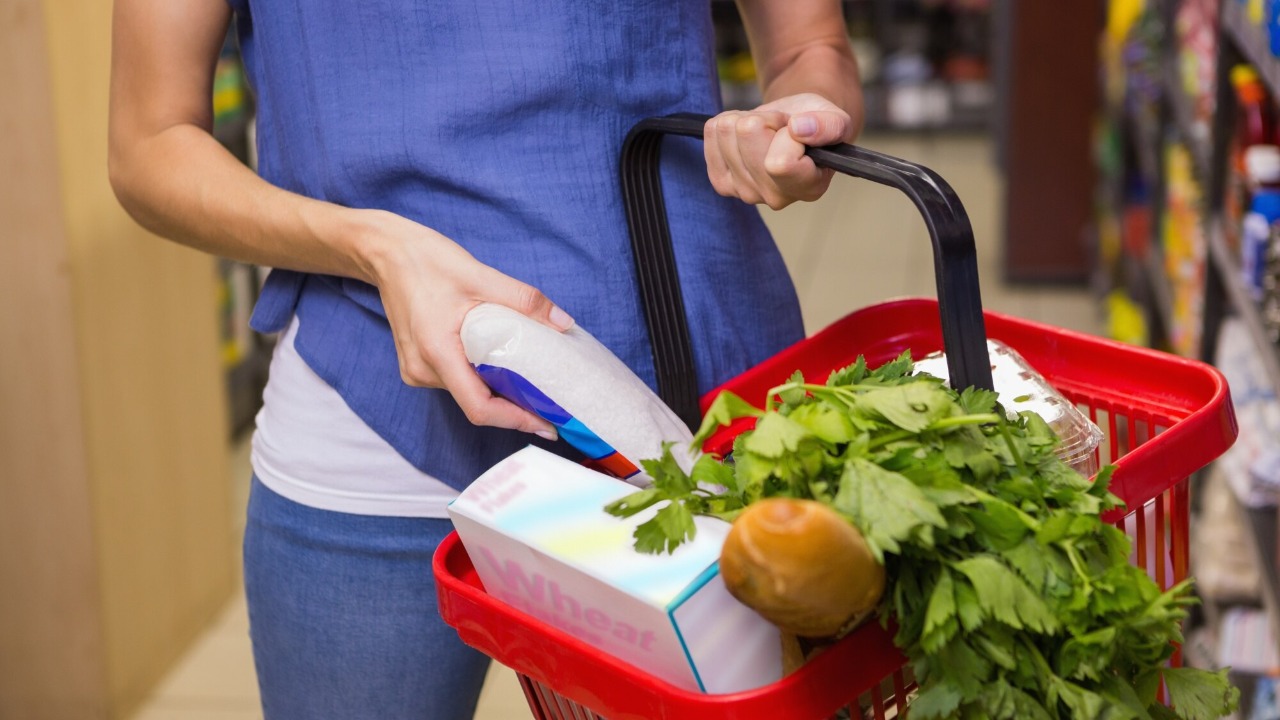
Across global markets, the cost of basic foods is surging so sharply that experts now describe the situation as a mounting affordability crisis rather than a passing bout of inflation. From vegetables and sugar to grains and meat, the staples that anchor daily diets are being squeezed by extreme weather, fragile supply chains, and geopolitical shocks, leaving households with little room to maneuver. As the price of at least one key staple explodes, specialists are warning that what is unfolding on store shelves is the front line of a deeper structural problem in the world’s food system.
Instead of easing after the pandemic-era spike, food costs are proving stubborn, with new disruptions piling on top of old ones and pushing vulnerable families closer to the edge. I see a pattern emerging in the data and in the warnings from Jan and other analysts: the world is entering a period in which sudden jumps in the price of essential foods are not anomalies but recurring stress tests of how we grow, trade, and pay for what we eat.
The new reality of stubbornly high food prices
Official forecasts now concede that food inflation is not snapping back to pre‑crisis norms. The Economic Research Service has resumed its Food Price Outlook, and its January update signals that grocery prices in the United States are expected to keep rising rather than retreat, even after the worst of the pandemic shock. Within that broader assessment, the same agency’s January note from the Economic Research Service (ERS) projects that overall food costs will climb in a range of 3.1 to 6.2 percent, a band that would lock in another year of strain for households that never saw their budgets recover. By the time the ERS issued its January projections, it was already clear that the era of cheap calories had ended.
The pressure is not confined to one country. A detailed forecast for Canada warns that families there could pay roughly 1,000 Canadian dollars more for groceries in 2026, with the 2026 forecast showing food prices rising across every major category. The same report’s first table lays out how each section of the grocery basket, from produce to meat, is expected to see increases, underscoring that there is no easy place to cut back. Those projections, captured in the 2026 forecast, mirror what I hear from shoppers who say that every aisle now feels like a luxury section.
When one staple suddenly spikes
Within this broader inflationary backdrop, the most alarming moments come when a single staple suddenly becomes dramatically more expensive. Officials have already raised the alarm as essential food items skyrocket in price, describing how crops that once felt abundant have instead “suffered damage,” a phrase that captures both the physical toll on fields and the economic shock to consumers. In one case, Jan and other Officials warned that the combination of poor harvests and supply bottlenecks had pushed a basic ingredient far beyond what low‑income households could absorb, a concern detailed in reporting that highlights how these essential food items are no longer reliably affordable. Christine Dulion, writing on a Sat news cycle, relayed how local authorities described the situation as a tipping point for food security.
Behind those headlines are specific crops and supply chains buckling under stress. In one region, Officials explained that a key staple’s yield had been hammered by weather and disease, and that this “Suffered” harvest, combined with export restrictions, had pushed prices sharply higher. The same account, linked through a second report on how Officials raise alarm, makes clear that the pain is not abstract: when a staple doubles in price, school meal programs, food banks, and low‑wage workers all face impossible choices. I find that these sudden spikes, more than the slow grind of general inflation, are what push families from coping to crisis.
Weather shocks, pests, and the fragility of supply
Experts are increasingly blunt that climate disruption is turning once‑predictable harvests into gambles. Earlier this year, Experts warned that an unexpected crisis had caused food prices to soar at a time when, in their words, “we should have had a lot.” In that account, Jan and other specialists described how a partial government shutdown collided with poor weather to choke off supplies, leaving shelves thinner and prices higher than they were the year prior. Jennifer Kodros, reporting on a Fri news cycle, captured how these Experts saw the episode as a warning shot rather than a one‑off anomaly.
At the same time, agronomists are sounding the alarm about biological threats that quietly erode yields. A separate group of Experts has highlighted a looming threat to the global food supply from crop pest damage, describing it as “a major challenge” that could undermine production even in years with favorable weather. Jan and Leslie Sattler, writing on a Sat dispatch, point to how rising temperatures allow insects and diseases to spread into new regions, compounding the risk of shortfalls. Their analysis of crop pest damage dovetails with what I hear from farmers who say they are fighting on two fronts, against both the sky and the soil.
From cucumbers to sugar: specific foods under pressure
The abstract talk of “food inflation” becomes concrete when you look at individual items that have suddenly become harder to afford. In Europe, Experts have issued a warning as the cost of a staple salad ingredient, cucumbers, has skyrocketed after unusual winter weather battered production in Spain. Growers there describe how extreme conditions and a slower flow of produce out of key regions are having a direct effect on prices, with shortages rippling into markets that depend on Spanish greenhouses. The account of how cucumber production has been hit underscores that even relatively humble vegetables can become flashpoints when climate and logistics collide.
Other staples tell a similar story. In early August, sugar prices reached a high point in both New York and London, a spike that analysts linked to weather‑related crop problems and tight global stocks. Sep reporting described how this surge left consumers and food manufacturers scrambling, with one outlet, Inkl, explaining that the rally had sent costs “skyrocketing, at least for now,” and that the benchmark contracts in New York and were flashing red. When I connect those dots with the cucumber shock, it is clear that the basket of foods under pressure is broadening, not narrowing.
Household budgets and the politics of affordability
For families, the cumulative effect of these spikes is brutal. An analysis of food affordability argues that the “great mind‑bender” in today’s economy is that official inflation gauges can show easing even as grocery bills feel relentlessly higher than a year ago. The same piece notes that Future Prices for key agricultural commodities are down while input costs for farmers are up, a combination that squeezes producers even as shoppers see no relief. The author, writing in Jan, captures the frustration of U.S. farmers who can certainly believe that their own margins are shrinking even as consumers complain that food is still too expensive, a tension laid out in the critique that “you can’t gaslight” people about what they pay at the checkout. That argument is anchored in the observation that Future Prices and retail prices are now moving out of sync.
These pressures are not limited to one or two products. A breakdown of grocery trends heading into 2026 identifies six categories poised for the biggest price increases, with Beef at the top of the list. Several analysts quoted in that Dec assessment argue that even as headline inflation eases, structural factors in livestock feed, labor, and processing will keep meat expensive, and they advise consumers to stock up if they have the storage space. The warning that Grocery Items Poised include everyday proteins underscores why so many households feel that the economic recovery has passed them by.
More From TheDailyOverview
*This article was researched with the help of AI, with human editors creating the final content.

Grant Mercer covers market dynamics, business trends, and the economic forces driving growth across industries. His analysis connects macro movements with real-world implications for investors, entrepreneurs, and professionals. Through his work at The Daily Overview, Grant helps readers understand how markets function and where opportunities may emerge.

