Exxon Mobil is back in the market’s spotlight, with its shares climbing to fresh records as investors reassess the company’s exposure to Venezuelan crude and its broader refining strategy. The stock’s surge reflects a rare moment when geopolitics, White House pressure and a long-term bet on heavy oil flows are converging in Exxon Mobil’s favor.
At the same time, the company’s leadership is trying to frame Venezuela as both an opportunity and a risk, signaling caution in public while quietly positioning key refineries to handle new barrels if sanctions and politics allow. I see that tension as central to understanding why Exxon Mobil’s stock is being rewarded now, and how durable that enthusiasm might be.
Wall Street chases Exxon’s new peak
Investors have been bidding up Exxon Mobil Corp XOM as if the supermajor has rediscovered its growth story, pushing the stock to a recent Close of 126.54 on the NYSE. That price, a gain of 2.51 points or 2.02%, sits near the top of a 52 week range that runs from 97.80 to a Day High of 127.14, underscoring how aggressively the market has repriced the company’s prospects in a short span, according to trading data. For a stock that not long ago was treated as a slow-moving income vehicle, that kind of move signals a shift in how investors view Exxon Mobil’s ability to navigate volatile oil markets and policy risk.
Historical context makes the latest rally even more striking. The all-time high Exxon stock closing price is 126.15, and The Exxon 52-week high stock price is 127.14, levels that highlight how the current run has pushed the company to the very edge of its long-term valuation envelope, based on price history. When a mature integrated producer is flirting with records like that, it usually reflects more than just a cyclical oil bounce; it reflects confidence that management has found new levers for cash flow and that political risks, while real, are being managed in a way that could unlock additional upside.
The Venezuela gamble moves from theory to barrels
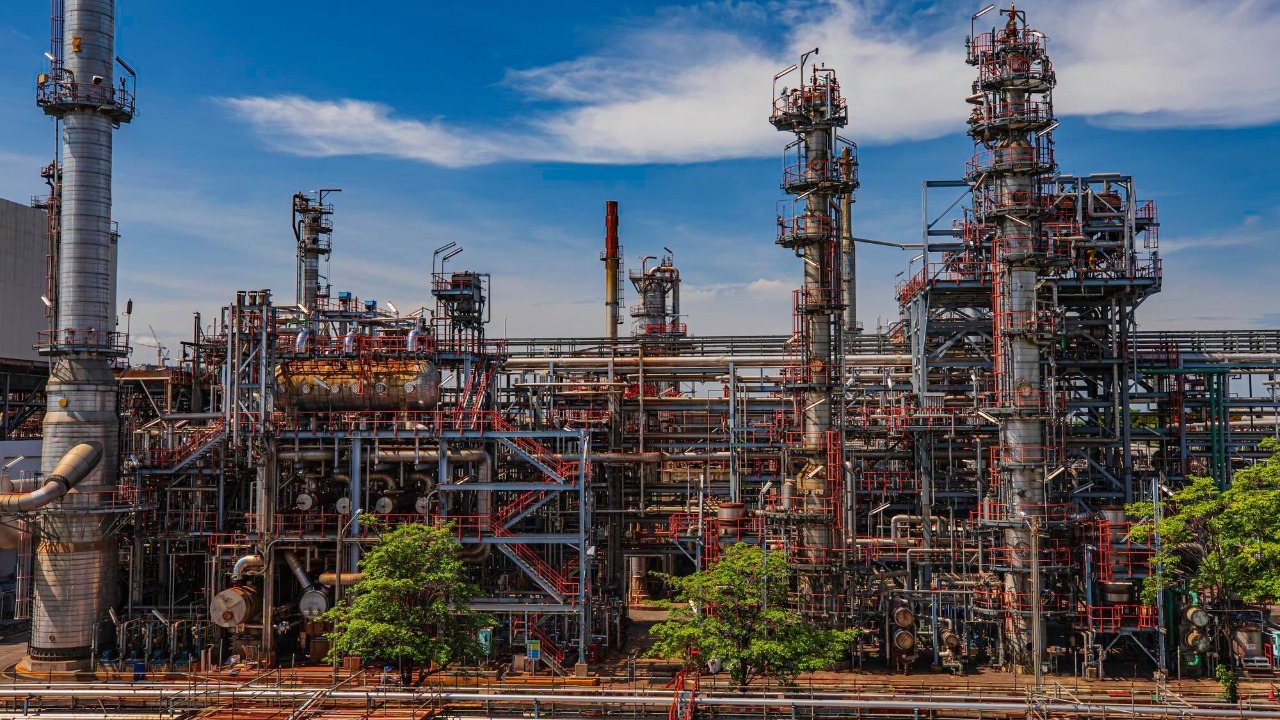
The most immediate catalyst behind that confidence is Exxon Mobil’s evolving stance on Venezuelan crude, which has shifted from abstract policy debate to concrete operational planning. At the Exxon Baton Rouge, Louisiana refinery, the company is preparing to run Venezuelan oil, according to sources who describe a deliberate effort to configure one of its key Gulf Coast plants to handle those heavy barrels if flows resume at scale, a move tied directly to Exxon Baton Rouge,. For a complex refinery, securing a steady stream of compatible heavy crude can be the difference between average and exceptional margins, and investors know it.
That operational pivot is unfolding against a charged political backdrop. President Trump has threatened to cut Exxon Mobil out of oil deals in Venezuela, using access to those resources as leverage in broader negotiations with Caracas and as a way to pressure the company’s leadership, according to reporting that notes how President Trump has framed the stakes. The fact that Exxon Mobil is still positioning its Louisiana assets for Venezuelan supply despite that rhetoric suggests management believes the long-term economics of processing those barrels will ultimately outweigh the near-term political noise, a calculation Wall Street appears to be endorsing.
A CEO walking a tightrope in Washington
Publicly, Exxon Mobil’s top executive has tried to strike a far more cautious tone on Venezuela than the refinery moves might imply. In a White House setting, the Exxon chairman and CEO described the country as so fraught that “Today, it’s uninvestable,” adding that “We haven’t talked to the Venezuelan government, and obviously, we have yet to assess the people’s perspective with respect to Exxo,” a remark that underscored both the political sensitivity and the reputational risk of moving too fast, as captured in those comments. By labeling the country “uninvestable” in front of the president, the CEO signaled to both Washington and shareholders that Exxon Mobil would not rush into upstream commitments without clearer legal and political guarantees.
Yet that same leadership team is being credited by some analysts for making a savvy call on how to engage with Venezuela’s oil sector without overcommitting capital. Coverage of the stock’s latest surge notes that the CEO’s approach to Venezuelan exposure is one of the things Wall Street loves about Exxon, with By Claudia Assis highlighting how the company has managed to keep optionality on future barrels while limiting direct risk, according to a report that was Provided by Dow Jones Jan and written By Claudia Assis. I see that as a classic Exxon Mobil move: talk conservatively in public, build flexibility in the asset base and let the market reward the discipline once the strategy becomes visible in earnings.
Trump’s pressure campaign and market perception
The political dimension of Exxon Mobil’s Venezuela bet cannot be separated from President Trump’s direct involvement. Trump has threatened to cut Exxon Mobil out of oil deals in Venezuela, a line that resonates not only in Caracas but also on Wall Street, where investors must weigh the risk that a single policy decision could shut the company out of a lucrative heavy crude stream, as described in coverage that again cites how Trump has framed those threats. When the president of the United States singles out a specific company in a geopolitical dispute, the headline risk alone can move a stock, and Exxon Mobil’s management has had to factor that into every public statement and operational decision.
At the same time, the White House pressure appears to have given Exxon Mobil an opportunity to showcase its risk management credentials. By emphasizing that Venezuela is “uninvestable” while still preparing refineries for potential flows, the company can argue that it is respecting U.S. policy and human rights concerns even as it quietly preserves future upside. That balancing act has helped reassure investors who might otherwise be spooked by the president’s threats to cut Exxon Mobil out of deals, and it explains why the market has largely interpreted the political drama as a manageable overhang rather than an existential threat to the company’s strategy in Venezuelan oil.
Underlying earnings power and what comes next
Behind the geopolitical theater, Exxon Mobil’s financial engine has been humming strongly enough to support the stock’s climb. In its third-quarter 2025 results, the company highlighted that Exxon Mobil Corporation generated strong third-quarter earnings and cash flow from operations, reinforcing the idea that the balance sheet can absorb volatility while still funding dividends, buybacks and selective growth, according to the detailed corporate update. When a supermajor combines record or near-record share prices with robust operating cash, it gains more freedom to take calculated geopolitical risks, including in places like Venezuela, without jeopardizing shareholder returns.
For investors tracking Exxon Mobil’s next moves, the key will be how quickly Venezuelan barrels actually reach U.S. refineries and how sustainable the policy environment proves to be. Market participants increasingly rely on platforms such as Google Finance to monitor intraday swings and longer-term trends in XOM, but the real story will unfold in quarterly filings and in the quiet adjustments at assets like Baton Rouge. If the company can keep refining margins elevated by processing Venezuelan crude while maintaining its “uninvestable” posture on upstream commitments, I expect the stock’s recent record levels, including the 126.15 reference point and the 127.14 band, to look less like a spike and more like a new baseline for how the market values Exxon Mobil’s mix of political savvy and operational scale.
More From TheDailyOverview

Elias Broderick specializes in residential and commercial real estate, with a focus on market cycles, property fundamentals, and investment strategy. His writing translates complex housing and development trends into clear insights for both new and experienced investors. At The Daily Overview, Elias explores how real estate fits into long-term wealth planning.

