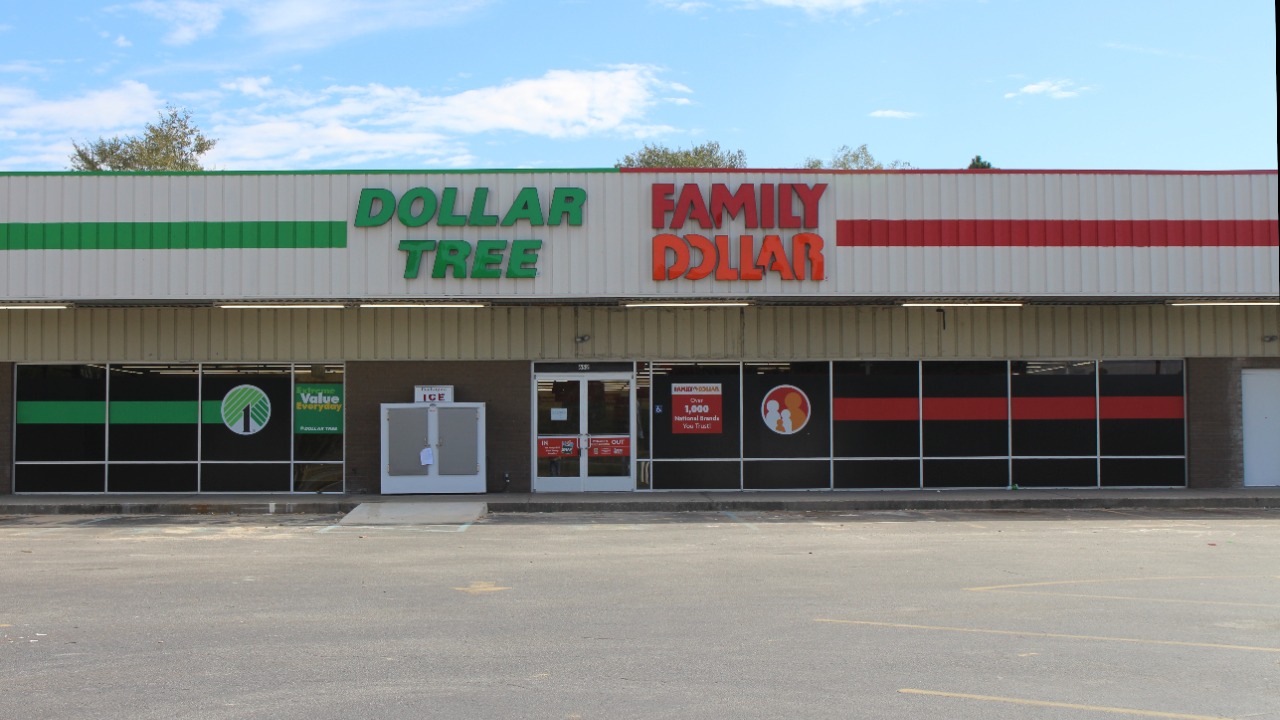
Family Dollar has agreed to pay $63 million to settle claims from the Federal Trade Commission and 17 states that it charged shoppers more at the register than the prices shown on shelves, price tags and advertisements. The settlement was announced November 12, 2026, with the complaint and a proposed order filed in federal court in the Eastern District of Virginia.
The order is proposed, not final. It takes effect only after a judge approves and signs it, and the filings do not yet include a claim form, a settlement website or any calendar dates. No shopper has been told to file anything, and the documents do not promise any individual a payment.
What the FTC and 17 states allege about Family Dollar registers
The FTC’s announcement says thousands of stores overcharged shoppers, including in low-income communities with limited access to full-service grocery stores, and that the company did not fix the problem after being warned. The agency also says the Smart Coupons app failed to deliver promised discounts at the register.
The complaint covers 7,076 stores in 48 states and Washington, D.C., as of August 2026. Its examples include milk with a $3.55 shelf tag that rang up at $4.15 in Pennsylvania in May 2026. In FTC undercover purchases, 15 of 50 items were overcharged at a store in Euclid, Ohio, in January 2026, and 8 of 50 at a store in Pittsburgh in March 2026. These are allegations, and the settlement resolves them without a trial.
Unfinished job: The proposed Family Dollar order sets up a redress fund, but the claim form, the settlement website and the payment timing are all still to be published, so any eventual claim will need dates and payment records kept in one place. The claim log and payment tracker in The Settlement & Refund Recovery System is built for that record-keeping.
How the $63 million is divided under the proposed order
The proposed order sets a total of $63,000,011.36. The FTC portion is $60 million: a $40 million consumer redress fund and $20 million in customer discounts. The remaining $3,000,011.36 goes to the states, paid within seven days of the order’s entry.
The 17 state plaintiffs named in the order’s Attachment B are Florida ($506,985.16, the largest share), Ohio, Louisiana, Pennsylvania, South Carolina, Illinois, Mississippi, Alabama, Oklahoma, Tennessee, Wisconsin, Arkansas, Colorado, Utah, Iowa, Kansas and Nebraska ($36,662.15, the smallest). The complaint lists Utah’s participation through its Division of Consumer Protection.
Who could file for the $40 million redress fund
The order defines an eligible consumer as anyone who made one or more purchases from Family Dollar from January 1, 2023, through October 1, 2026. The claim form must let consumers attest that they fit that definition and give identifying information so payments can be sent. The order sets no per-person amount, only the $40 million cap on total payments.
Every deadline runs from the date a judge enters the order. Family Dollar must set up the fund within 14 days, then hire an independent claims administrator and establish the claims process within 30 days. Consumers get 180 days after the form is first available, the administrator has 30 days to review each claim, and payments go out on a rolling basis for valid claims. Consumers may also ask for reissuance of an unredeemed payment.
The order also requires notices at store entrances and registers, in digital weekly circulars, and on familydollar.com and the app landing page. The draft notice, titled “Refunds for Family Dollar Customers,” tells shoppers to search “Family Dollar” at ftc.gov and use a short link for claims. That link does not exist yet.
The $20 million discount program is a two-day sale, not a payout
The discount program is separate from the redress fund. Under the order it is a fixed 15% reduction on current retail prices, offered for two consecutive days, excluding alcohol, tobacco, gift cards and prepaid cards. Family Dollar must implement it within 90 days of entry, and the FTC must approve its terms and announcements first.
Regular promotions, weekly circular deals, manufacturer coupons and app coupons do not count toward the $20 million. Shoppers should not expect the discount to arrive as money or as an account credit, because the order describes only a price reduction at the register.
New pricing rules and five years of outside review
The order permanently bars Family Dollar from misrepresenting prices. Within 90 days it must also run a pricing accuracy program: a posted lowest price policy and price adjustment policy at every register, no increase in a register price until staff confirm the new price is correctly advertised, and at least two unannounced audits of every store each year. An independent assessor reviews the program for the first 12 months and four more 12-month periods, and a senior officer certifies compliance each year.
The FTC says it sued Dollar General on October 26, 2026, over similar pricing problems, and that case is ongoing. The Family Dollar settlement does not decide it.
What shoppers can do about register prices
The simplest check is to compare the receipt with the shelf tag before leaving the store, then raise any difference with the cashier while the item is still at hand. Photographing the tag and keeping the receipt gives a record if the matter goes further. State weights-and-measures or consumer protection offices inspect store pricing, and the complaint cites their inspection results in states such as Utah and Kansas. Complaints about pricing can also go to the FTC at ReportFraud.ftc.gov.
The mistake most likely to cost shoppers is acting on a look-alike claim site. Settlement scams tend to follow big headlines, and the official path in the order runs through familydollar.com and the FTC’s own case page. Anyone asking for a fee, a bank login or a Social Security number to “reserve” a Family Dollar payment is not following the order, which sets no such step.
Family Dollar’s proposed redress notice and the records it will call for
The proposed Family Dollar order lets a judge’s approval start a chain of dates: a claims process, a 180-day filing window and a 30-day review of each claim. A shopper who made purchases between 2023 and 2026 would need to read the official notice carefully and keep track of what was filed and when.
The Settlement & Refund Recovery System includes the four-date rule for reading a settlement notice, the scam-proof rules, and a claim log and payment tracker for recording each step of a filing.
Read the four-date rule in The Settlement & Refund Recovery System.
This article was created with AI assistance and reviewed for accuracy against Federal Trade Commission press materials, the complaint and the proposed stipulated order.

Silas Redmond writes about the structure of modern banking, financial regulations, and the rules that govern money movement. His work examines how institutions, policies, and compliance frameworks affect individuals and businesses alike. At The Daily Overview, Silas aims to help readers better understand the systems operating behind everyday financial decisions. He also covers scams, fraud cases and the audits that expose them.