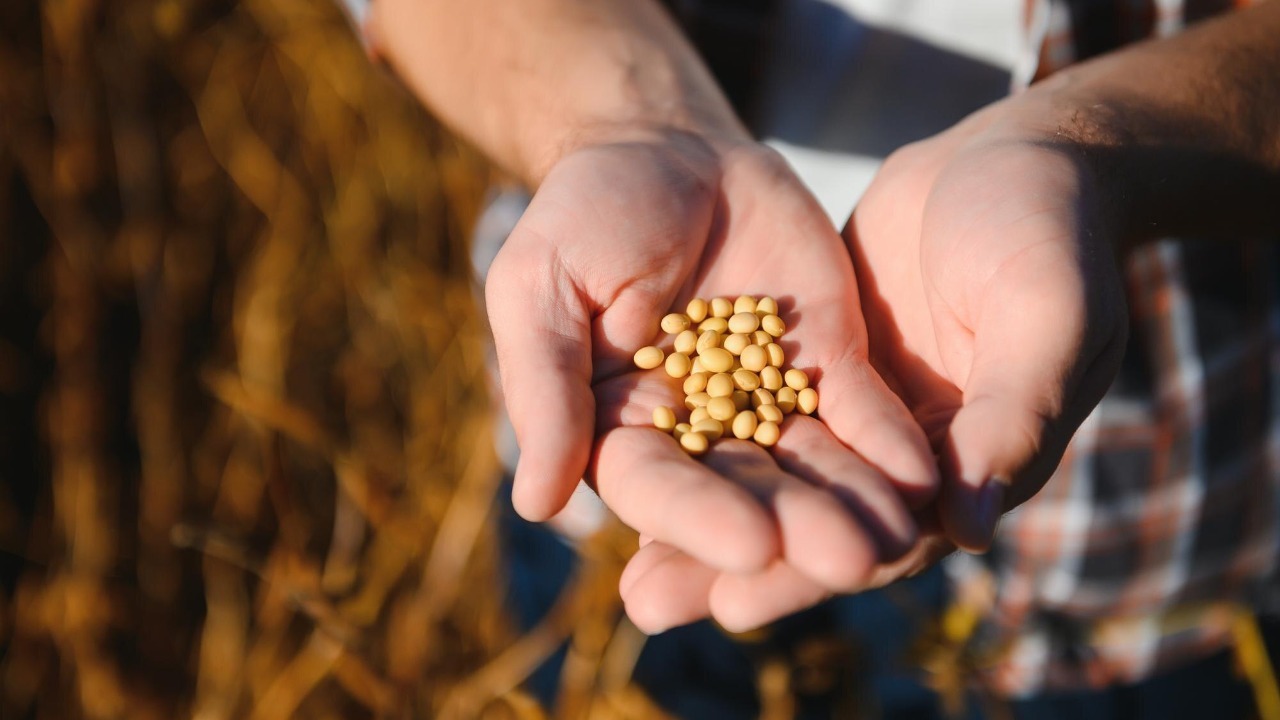
American farmers are feeling a profound sense of betrayal as China uses the promise of purchasing millions of tons of soybeans from the U.S. as a strategic bargaining tool in the ongoing trade war. This maneuver, reported on November 10, 2025, highlights China’s adept use of agricultural imports to gain leverage amidst escalating tariffs. The situation underscores the precarious position of U.S. soybean exporters caught in the geopolitical crossfire.
The Escalating U.S.-China Trade War
The trade war between the U.S. and China has intensified under President Trump’s administration, with recent tariff impositions sparking retaliatory measures from China. These measures include restrictions on soybean imports, a significant blow given that China has historically been a major consumer of U.S. soybeans. The imposition of tariffs by the U.S. has led to a tit-for-tat escalation, with soybeans becoming a central point of contention. This is particularly impactful as China accounted for a substantial portion of U.S. soybean exports, making the crop a critical component of the trade dispute.
China’s strategic use of soybean purchases as a negotiation tool has affected trade volumes significantly. The promise of millions of tons of potential purchases is being dangled to negotiate better terms, creating uncertainty in the market. This tactic not only disrupts the current trade flow but also places American farmers in a vulnerable position, as they rely heavily on stable export markets to sustain their livelihoods.
Farmers’ Sense of Betrayal
Many American farmers have expressed feelings of betrayal due to the unpredictable nature of trade policies that have swung dramatically between administrations. This sentiment is particularly strong among Midwest farmers in states like Iowa and Illinois, where soybean production is a dominant economic activity. The reliance on exports to China means that any disruption in trade relations directly impacts their income and economic stability.
Personal stories from these farmers reveal the emotional and financial toll of the trade war. The uncertainty surrounding the potential soybean purchases has led to lost income and increased anxiety about the future. Farmers are finding it difficult to plan for the future when market conditions are so volatile, and the promises of large-scale purchases remain uncertain.
China’s Soybean Leverage Tactics
China’s leverage in the soybean market is significant, as it can threaten to source soybeans from other countries like Brazil, thereby impacting U.S. prices and supply chains. The scale of the “millions of tons” in potential purchases serves as a powerful negotiation tool against U.S. tariffs on Chinese goods. This tactic has been a part of China’s strategy for some time, and the developments reported on November 10, 2025, mark a continuation of this approach in the escalating trade war.
The timeline of these tactics shows a calculated effort by China to use its market power to influence trade negotiations. By holding out the promise of large purchases, China seeks to counterbalance the tariffs imposed by the U.S., creating a complex dynamic that affects not only soybean farmers but the broader agricultural sector.
Broader Implications for U.S. Agriculture
The ripple effects of the trade war extend beyond soybeans, impacting related industries such as corn and other crops that are indirectly affected by diverted trade flows. U.S. agricultural groups have been vocal in urging government intervention to stabilize farmer incomes amid the ongoing trade tensions. The uncertainty in the soybean market has led to calls for policy responses that can provide some level of security for farmers facing volatile markets.
Long-term risks loom if China follows through on reducing soybean purchases from the U.S. Such a shift could lead to changes in global agricultural alliances, with countries like Brazil potentially becoming more prominent suppliers. This would not only affect U.S. farmers but could also alter the global agricultural landscape, as countries adjust to new trade realities.
As the trade war continues to unfold, the stakes for American farmers remain high. The promise of soybean purchases as a bargaining chip in trade negotiations highlights the complex interplay between geopolitical strategies and local economic realities. For U.S. farmers, the hope is for a resolution that stabilizes markets and secures their livelihoods in the face of ongoing uncertainty.
For more detailed insights, you can read the full report on Fortune.
More From TheDailyOverview
- Dave Ramsey says these two simple questions show whether you’re rich or poor
- Retired But Want To Work? Try These 18 Jobs for Seniors That Pay Weekly
- IRS raises capital gains thresholds for 2026 and what’s new
- 12 ways to make $5,000 fast that actually work

Grant Mercer covers market dynamics, business trends, and the economic forces driving growth across industries. His analysis connects macro movements with real-world implications for investors, entrepreneurs, and professionals. Through his work at The Daily Overview, Grant helps readers understand how markets function and where opportunities may emerge.

