As economic uncertainties loom, retirees are increasingly withdrawing billions from their pension funds. Concerns are growing among pensioners that political figures, particularly Rachel Reeves, may implement policies perceived as threats to their financial security. An examination of the factors driving this trend raises questions about the potential implications for retirees and the broader economy.
The Growing Concern Among Retirees

The fear that Rachel Reeves might initiate policies that could impact pension funds has become prevalent among retirees. This concern is not without precedent, as history shows several instances where government actions have directly affected pension provisions. For example, the controversial “pension freedom” reforms introduced in 2015 allowed retirees more flexibility in accessing their savings but also led to increased anxiety over potential future policy shifts.
Financial insecurity can have a profound psychological impact on retirees, who often rely heavily on their pensions for their day-to-day living expenses. The thought of losing financial stability due to political decisions can lead to stress and anxiety, further exacerbating the challenges faced by an aging population. The uncertainty surrounding potential policy changes is causing many to reconsider their financial strategies in their retirement years.
Economic and Political Context

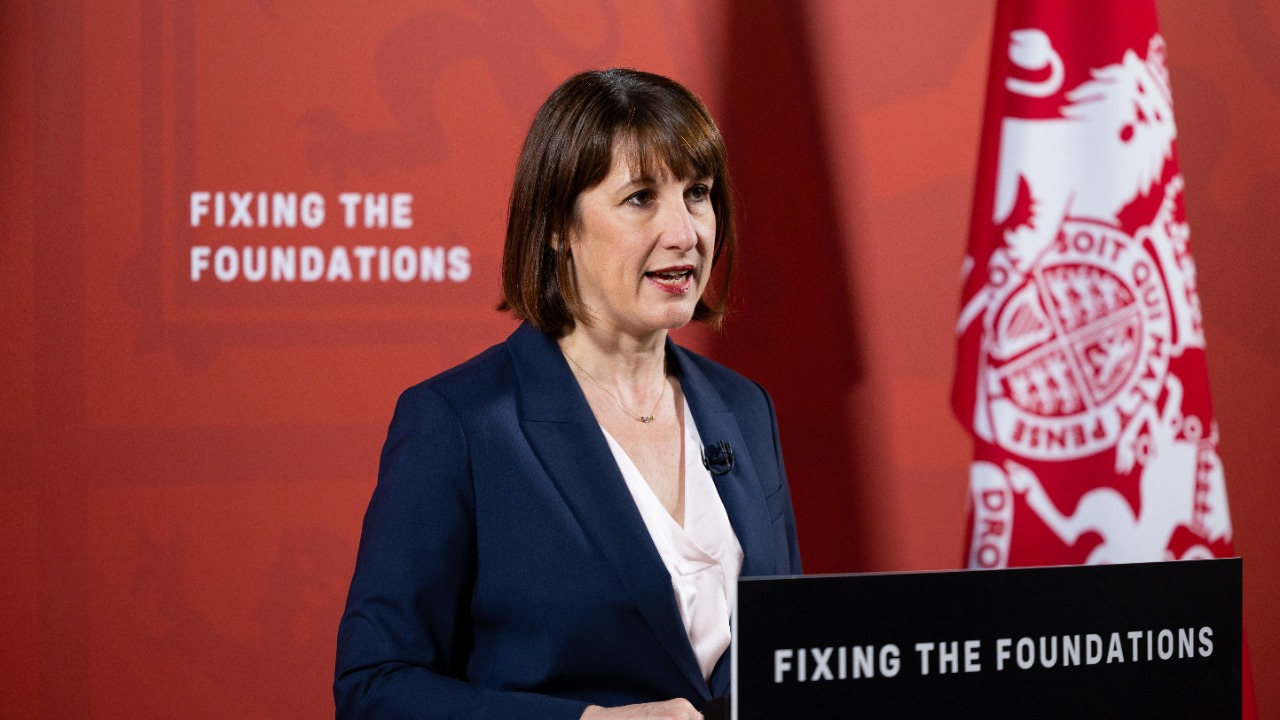
The current economic landscape is fraught with challenges that are influencing the decisions of retirees to withdraw funds prematurely. Inflation rates are rising, and the cost of living continues to increase, making it difficult for those on a fixed income to maintain their standard of living. In this context, Rachel Reeves’ political stance and proposed policies on pensions have become focal points of concern. Although Reeves has not explicitly stated plans to raid pension pots, her position on issues like inheritance tax reform has sparked debates about potential implications for pensioners.
Media coverage and public perception play crucial roles in shaping retiree behaviors. Reports and speculations about potential pension raids can heighten fears and prompt retirees to take precautionary measures. The media’s portrayal of economic policies and political figures can thus influence financial decisions, leading to a surge in withdrawals as retirees seek to protect their assets from perceived threats.
Impact on Pension Funds and Financial Markets

The mass withdrawal of funds poses significant challenges to the stability of pension funds. When large numbers of retirees cash out their pensions, it can destabilize these funds, which are often invested in long-term securities. This can lead to a liquidity crunch, forcing pension managers to sell assets prematurely and potentially at a loss, affecting the overall value of the funds.
The ripple effects of these withdrawals can extend to financial markets and investment strategies. As pension funds adjust their portfolios to accommodate the increased demand for cash, the markets may experience volatility. Investment strategies that rely on stable, long-term funding sources could face disruptions, leading to broader economic implications. Experts have noted that the long-term sustainability of pension funds could be jeopardized if these trends continue.
Alternative Retirement Strategies

Amid the uncertainty, retirees are exploring alternative financial strategies to safeguard their futures. Diversification of income sources has become a key strategy, with many retirees looking at investments beyond traditional pension funds. The guidance of financial advisors is proving invaluable in navigating these turbulent times, as they help retirees identify viable options for sustaining their financial well-being.
Case studies of retirees who have successfully diversified their income sources highlight the importance of proactive financial planning. For instance, some have turned to part-time work, while others have invested in rental properties or dividend-yielding stocks. These strategies not only provide additional income streams but also offer a buffer against the unpredictability of pension fund policies.
Future Implications and Policy Considerations

Addressing the concerns of retirees requires thoughtful policy responses aimed at stabilizing pension systems. Policymakers must engage in transparent communication with the public to rebuild trust and ensure that retirees feel secure about their financial futures. Potential policy measures could include strengthening pension fund regulations and providing clearer guidelines on future reforms.
The long-term implications for future retirees hinge on the ability of governments to adapt pension systems to evolving economic realities. As the landscape of retirement savings continues to change, ensuring the sustainability of pension funds will be critical. This calls for a collaborative approach between policymakers, financial institutions, and retirees themselves to create a resilient retirement savings framework.
The evolving concerns about pension security underscore the importance of staying informed about political developments and economic trends. As retirees navigate these challenges, the need for comprehensive financial planning and open dialogue with policymakers will remain paramount in securing their financial futures and ensuring the stability of pension systems.

Nathaniel Cross focuses on retirement planning, employer benefits, and long-term income security. His writing covers pensions, social programs, investment vehicles, and strategies designed to protect financial independence later in life. At The Daily Overview, Nathaniel provides practical insight to help readers plan with confidence and foresight.