The Federal Reserve’s recent decision to cut interest rates is reshaping investment strategies, particularly as the U.S. navigates ongoing trade tensions with China. These developments present unique opportunities in sectors sensitive to interest rates and global supply chains. By examining how lower rates interact with trade policies, investors can uncover actionable ideas to optimize their portfolios.
Fed Rate Cuts: Current Landscape
The Federal Reserve has implemented a series of rate cuts in response to signs of economic cooling. These cuts are designed to stimulate borrowing and investment, particularly in key areas such as housing and consumer spending. By lowering the cost of borrowing, the Fed aims to encourage economic activity and support growth. However, there are potential risks associated with this strategy, including the possibility of an inflation rebound. Recent policy signals suggest that while the Fed is committed to supporting the economy, it remains vigilant about the potential for rising prices.
These rate cuts are significant not only for their immediate economic impact but also for their broader implications. By making borrowing cheaper, the Fed hopes to spur investment in sectors that are particularly sensitive to interest rates. This includes industries like real estate and consumer goods, where lower rates can lead to increased demand and higher spending. However, investors should also be aware of the potential for inflation to erode returns if prices begin to rise too quickly.
China Trade Dynamics and U.S. Implications
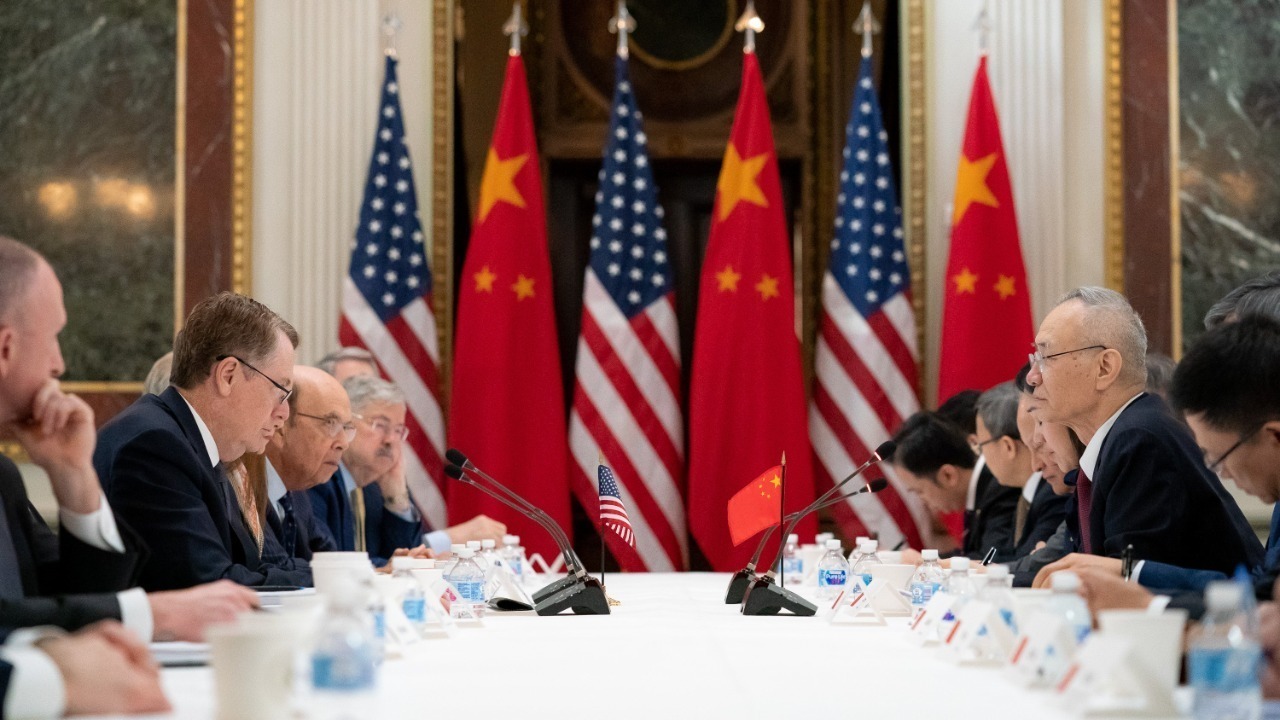
The ongoing trade tensions between the U.S. and China continue to affect global markets, with tariffs and export restrictions creating uncertainty for businesses. These frictions have significant implications for U.S. industries that rely on Chinese imports, such as technology and manufacturing. The imposition of tariffs has increased costs for these industries, leading to potential disruptions in supply chains and increased prices for consumers.
Diplomatic efforts to resolve these trade tensions have been ongoing, but progress has been slow. As of late 2025, negotiations continue, with both sides seeking to find common ground. The outcome of these talks will have a significant impact on trade flows and could influence the broader economic landscape. For investors, understanding the dynamics of these negotiations is crucial, as changes in trade policy can lead to shifts in market conditions and investment opportunities.
Interplay Between Rates and Trade
The Federal Reserve’s rate cuts could help ease some of the pressures caused by trade disruptions with China by lowering financing costs for affected businesses. This is particularly important for exporters who are navigating tariff hurdles and seeking to maintain their competitive edge in global markets. By reducing the cost of borrowing, the Fed’s actions may provide a buffer for these businesses, helping them to weather the challenges posed by trade tensions.
Sector-specific effects are also evident, with certain industries benefiting more than others from the interplay between rates and trade policies. For example, exporters may find it easier to finance operations and invest in new markets, while industries reliant on imports may face continued challenges. Additionally, currency fluctuations tied to both monetary policy and trade dynamics can have broader economic ripple effects, influencing everything from consumer prices to international investment flows.
Practical Investing Ideas
Given the current economic landscape, investors might consider allocating funds to rate-sensitive assets such as bonds or real estate investment trusts (REITs). These assets can offer attractive returns in a low-interest-rate environment, providing a hedge against potential market volatility. Additionally, diversifying into trade-resilient sectors, such as domestic manufacturing or alternative supply chain plays, can help mitigate risks associated with ongoing trade tensions.
Investors should also consider strategies for hedging against uncertainties, including international exchange-traded funds (ETFs) that are less exposed to U.S.-China tensions. By spreading investments across a range of assets and geographies, investors can reduce their exposure to specific risks and enhance their portfolio’s resilience. As the economic landscape continues to evolve, staying informed and adaptable will be key to navigating the challenges and opportunities that lie ahead.
For more detailed insights into these investment strategies, refer to the MarketWatch opinion piece that explores these themes in depth.
More From TheDailyOverview
- Dave Ramsey says these two simple questions show whether you’re rich or poor
- Retired But Want To Work? Try These 18 Jobs for Seniors That Pay Weekly
- IRS raises capital gains thresholds for 2026 and what’s new
- 12 ways to make $5,000 fast that actually work

Grant Mercer covers market dynamics, business trends, and the economic forces driving growth across industries. His analysis connects macro movements with real-world implications for investors, entrepreneurs, and professionals. Through his work at The Daily Overview, Grant helps readers understand how markets function and where opportunities may emerge.

