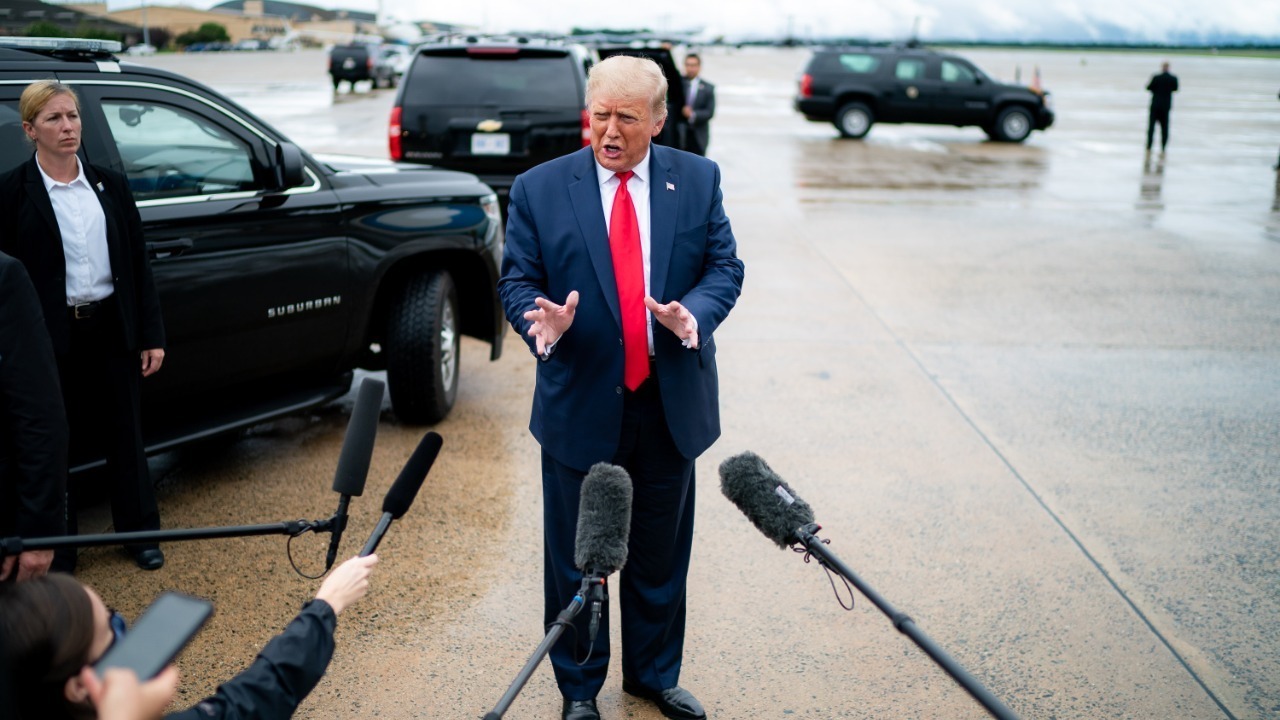
The Federal Reserve’s Miran has expressed optimism that President Trump’s economic overhaul will lead to lower interest rates. This perspective, shared on September 29, 2025, highlights a belief in the positive impact of the administration’s policies. However, this view is not universally accepted, with some experts cautioning against the potential risks associated with such economic strategies. These differing opinions underscore a broader debate on the future of U.S. economic policy.
Trump’s Economic Overhaul
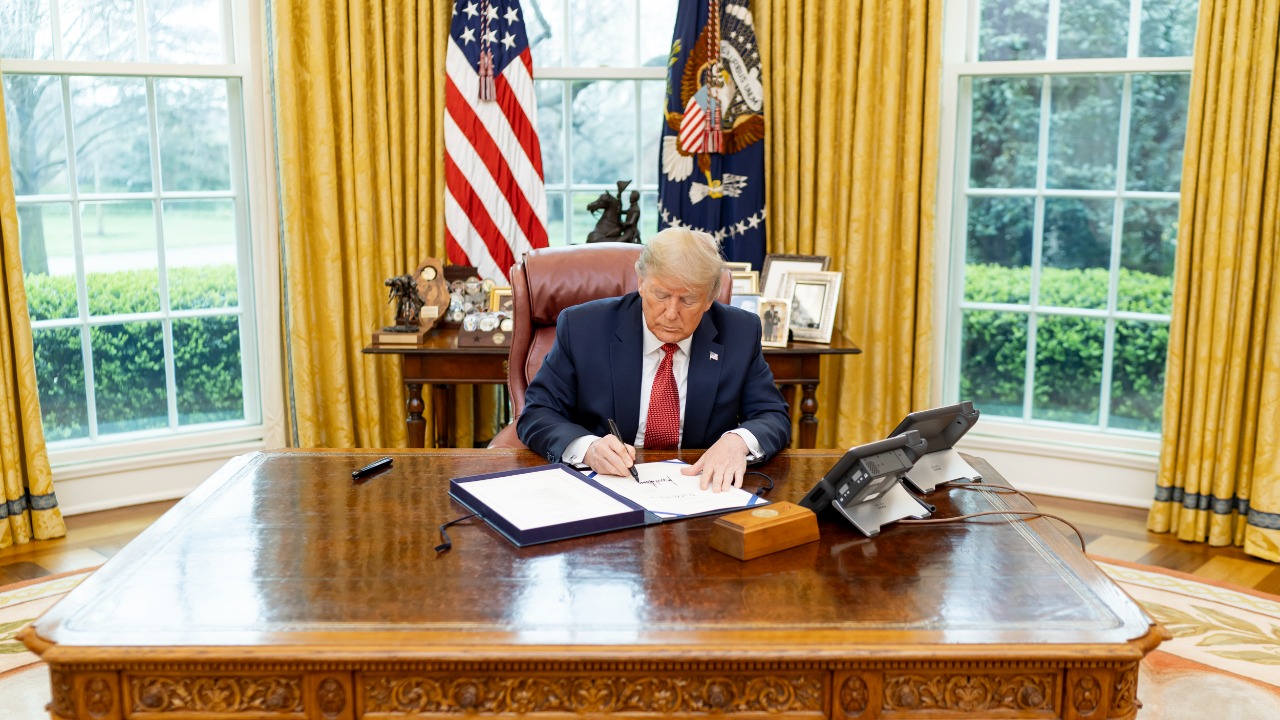
President Trump’s economic overhaul is a comprehensive plan designed to reshape the U.S. economy. Key components of this plan include tax reforms, deregulation, and infrastructure investments, all aimed at stimulating economic growth and reducing interest rates. By cutting taxes, the administration hopes to increase disposable income for consumers and businesses, thereby boosting spending and investment. Deregulation is intended to reduce the burden on businesses, encouraging expansion and innovation. Infrastructure investments are expected to create jobs and improve efficiency across various sectors.
Historically, similar economic policies under Trump’s administration have yielded mixed results. During his previous term, tax cuts were implemented with the goal of spurring economic growth. While these measures did lead to short-term economic gains, critics argue that they also contributed to increased deficits and income inequality. The current overhaul seeks to build on past successes while addressing previous shortcomings. However, the long-term effects of these policies remain a subject of debate among economists and policymakers.
In addition to the primary components of tax reforms, deregulation, and infrastructure investments, the overhaul also includes measures aimed at enhancing trade relations and boosting domestic manufacturing. The administration is working on renegotiating trade agreements to ensure more favorable terms for American businesses, which could lead to increased exports and a stronger manufacturing sector. This focus on trade is intended to create a more balanced economic environment that supports sustainable growth.
Furthermore, the overhaul emphasizes the importance of technological innovation and workforce development. By investing in education and training programs, the administration aims to equip the workforce with the skills needed to thrive in a rapidly changing economy. This approach is expected to not only increase productivity but also reduce unemployment rates, contributing to a more resilient economic landscape.
Miran’s Perspective on Interest Rates

Miran, a key figure at the Federal Reserve, believes that Trump’s economic policies will lead to reduced interest rates. He argues that the combination of tax cuts, deregulation, and infrastructure spending will stimulate economic growth, thereby allowing the Federal Reserve to lower interest rates without risking inflation. Miran’s confidence is based on economic models that predict increased productivity and consumer spending as a result of these policies. He suggests that the anticipated economic expansion will create a favorable environment for lower rates, benefiting both consumers and businesses.
To support his prediction, Miran points to data indicating potential increases in GDP and employment rates. He believes that these improvements will offset any inflationary pressures, allowing the Federal Reserve to maintain a more accommodative monetary policy. This perspective is grounded in the belief that a robust economy can sustain lower interest rates, ultimately leading to greater financial stability and growth. However, Miran acknowledges that these outcomes depend on the successful implementation of the administration’s policies and the broader economic context.
Critics’ Concerns and Risk Assessment
Despite Miran’s optimism, several economists and financial experts have raised concerns about the risks associated with Trump’s economic overhaul. Critics argue that the proposed tax cuts and deregulation could lead to increased deficits and financial instability. They caution that the short-term benefits of these policies may be outweighed by long-term economic challenges, such as rising debt levels and potential market volatility. Additionally, some experts worry that the focus on infrastructure spending may not yield the expected returns, particularly if projects are not carefully managed and prioritized.
Potential short-term and long-term economic impacts are a significant concern for critics. In the short term, there is a risk that the economic stimulus could lead to overheating, resulting in inflationary pressures that necessitate higher interest rates. In the long term, increased deficits could limit the government’s ability to respond to future economic downturns. Critics also highlight the potential for increased income inequality, as tax cuts may disproportionately benefit higher-income individuals and corporations. These concerns underscore the need for a balanced approach to economic policy, one that considers both immediate gains and future sustainability.
Critics also point to historical precedents where similar economic strategies have led to unintended consequences. For instance, past tax cuts have sometimes resulted in increased income inequality, as the benefits were not evenly distributed across different income groups. This has raised concerns about the social implications of the current overhaul, particularly in terms of widening the wealth gap.
Moreover, the potential impact on international markets is another area of concern. Some experts warn that aggressive economic policies could lead to trade tensions with other countries, potentially resulting in retaliatory measures that could harm U.S. exports. This international dimension adds another layer of complexity to the risk assessment, as global economic stability is closely intertwined with domestic policy decisions.
Implications for the U.S. Economy
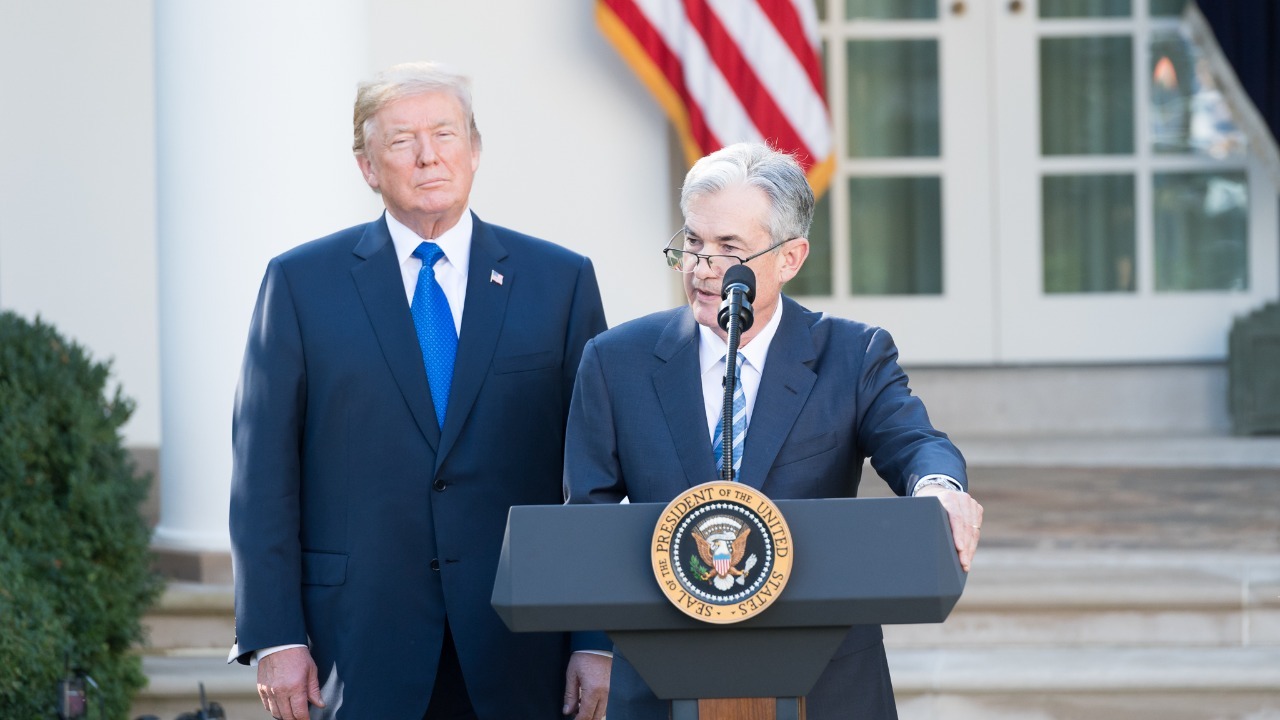
If Miran’s predictions hold true, the broader U.S. economy could experience significant benefits. Lower interest rates would reduce borrowing costs for consumers and businesses, potentially leading to increased spending and investment. This could drive economic growth, create jobs, and enhance overall financial stability. However, the realization of these benefits depends on the successful implementation of the administration’s policies and the broader economic environment. The potential for lower rates also raises questions about the Federal Reserve’s future policy decisions and their impact on the economy.
The differing economic perspectives on Trump’s overhaul highlight the complexities of policymaking and public opinion. While some view the proposed changes as a necessary step toward economic revitalization, others caution against the potential risks and unintended consequences. These debates are likely to influence future policy decisions and shape public discourse on economic issues. As the U.S. navigates these challenges, the balance between short-term gains and long-term sustainability will remain a critical consideration for policymakers and stakeholders alike.
For more detailed insights, refer to the full report by Reuters.

Grant Mercer covers market dynamics, business trends, and the economic forces driving growth across industries. His analysis connects macro movements with real-world implications for investors, entrepreneurs, and professionals. Through his work at The Daily Overview, Grant helps readers understand how markets function and where opportunities may emerge.