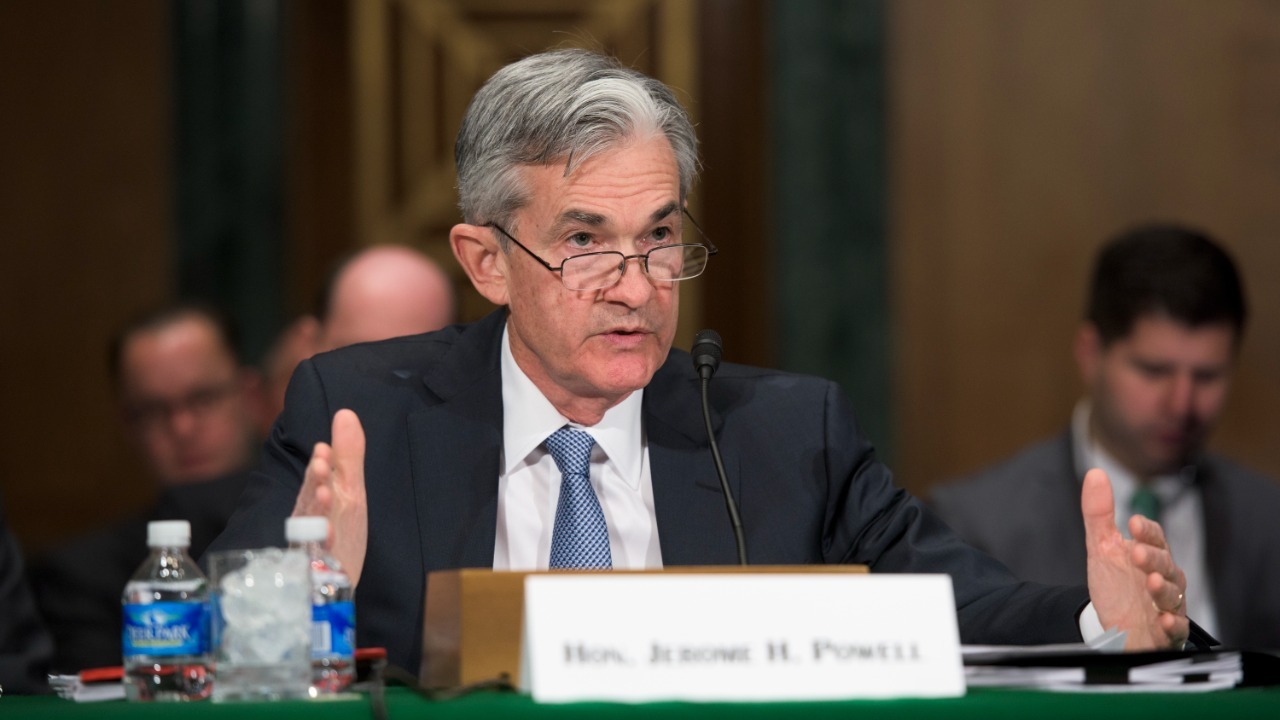
Federal Reserve officials are lining up behind the idea that the next policy move could be a cut, and that it might come as soon as the January meeting. After two years of aggressive tightening, the central bank is now signaling that the balance of risks between inflation and jobs has shifted enough that easing is at least a live option.
The message is not that a reduction is guaranteed, but that it is no longer hypothetical. With inflation drifting closer to target and the labor market losing some of its earlier heat, policymakers are preparing markets and households for the possibility that the era of peak rates is ending sooner rather than later.
The January pivot: from “higher for longer” to “cut if needed”
Officials have been unusually consistent in recent days in describing the January Federal Open Market Committee gathering as a genuine decision point rather than a placeholder. The next FOMC meeting, scheduled for Jan. 27-28, is being framed as the moment when the central bank could begin reversing part of the steep run-up in borrowing costs that started in 2022. That shift in tone marks a clear departure from the “higher for longer” mantra that dominated much of last year.
Market expectations have adjusted quickly to that rhetoric. The widely watched FedWatch Tool from CME Group still assigns only a modest probability to an immediate quarter-point move, but traders are now pricing a path where the policy rate could fall toward 3.50% by the end of the year. That repricing reflects a belief that the committee is no longer debating whether to cut, only how fast to proceed.
Bowman’s warning and the labor market risk
Inside the central bank, the most explicit case for being ready to ease has come from Vice Chair for Supervision Michelle Bowman. In a recent speech, she argued that as the United States enters 2026 the economy is still expanding and inflation is moving closer to the Federal Reserve’s goal, but she stressed that “beneath the surface” the labor market is showing signs of strain that could justify a policy shift. Her remarks underscored that the But in her outlook is the risk that a seemingly solid expansion could mask pockets of weakness.
Bowman has also reminded investors that at the December 9-10 policy meeting, officials penciled in only a single quarter-percentage-point rate cut for 2026, a projection that now looks more tentative as job market risks accumulate. She has said the Fed should be prepared to cut again if unemployment rises sharply or if a “sharp correction in equity prices” threatens broader financial stability. That framing turns the January meeting into the first test of how seriously the committee takes the downside risks she has highlighted.
Inflation progress and political heat from the White House
The case for a cut rests heavily on the inflation data. Consumer prices rose 2.7% in December, a level that is still above the Federal Reserve’s 2% target but far below the peaks that triggered the fastest tightening cycle in decades. That moderation has given officials more room to weigh the trade-off that Higher interest rates lower inflation but increase job losses, while Lower interest rates lower unemployment but increase inflation.
At the same time, the central bank is operating under intense political pressure. The Fed has been the subject of unprecedented attacks from the White House under President Donald Trump’s second term for not lowering borrowing costs more quickly in communities where lower income workers are more heavily represented. The Fed’s leadership insists it will not bow to that pressure, but the political backdrop makes any January move especially sensitive, since a cut would be read both as a response to economic data and as a concession to critics.
Market odds, Powell’s exit and the path for 2026
Financial markets are treating January as the opening act in a longer easing cycle. As the blackout period for public comments began, traders shifted their expectations for how many cuts Chair Jerome Powell will deliver before his term ends. One analysis of More Federal Reserve pricing suggested investors were increasingly convinced Powell will cut this month, and that the policy rate will be meaningfully lower by the time he exits.
Outside the central bank, Wall Street research teams are sketching out their own road maps. One set of Key takeaways from Morgan Global Research argue that with the unemployment rate stabilizing, J.P. Morgan Global Research no longer sees the Federal Reserve cutting rates aggressively, and instead expects the Fed to bring the policy rate back up to 4% after an initial easing phase. That view contrasts with more dovish forecasts that see a deeper cutting cycle, but it captures the growing consensus that 2026 will be defined by a gradual move away from today’s restrictive stance rather than a sudden lurch to cheap money.
What a January cut would mean for borrowers and investors
If the committee does pull the trigger this month, the impact will ripple quickly through mortgages, credit cards and corporate borrowing. A quarter-point move would not transform affordability on its own, but it would signal that the peak in rates is behind us and that further relief is likely. For fixed income investors, the most likely path for policy in 2026, according to one Fed outlook, is for the central bank to bring rates down from the current restrictive level, which would support longer-duration bonds and pressure cash-like yields.
Portfolio strategists are already adjusting to that scenario. A detailed set of Key takeaways from one asset manager argue that investors should tilt toward high quality fixed income that can benefit from falling yields, while staying cautious on segments of the equity market that have been propped up by ultra-low rates in the past. For households, the immediate effect would be more modest, but a clear signal that the tightening cycle is over could encourage homebuyers who have been waiting on the sidelines since 30-year mortgage rates climbed above 7%.
More From TheDailyOverview

Grant Mercer covers market dynamics, business trends, and the economic forces driving growth across industries. His analysis connects macro movements with real-world implications for investors, entrepreneurs, and professionals. Through his work at The Daily Overview, Grant helps readers understand how markets function and where opportunities may emerge.

