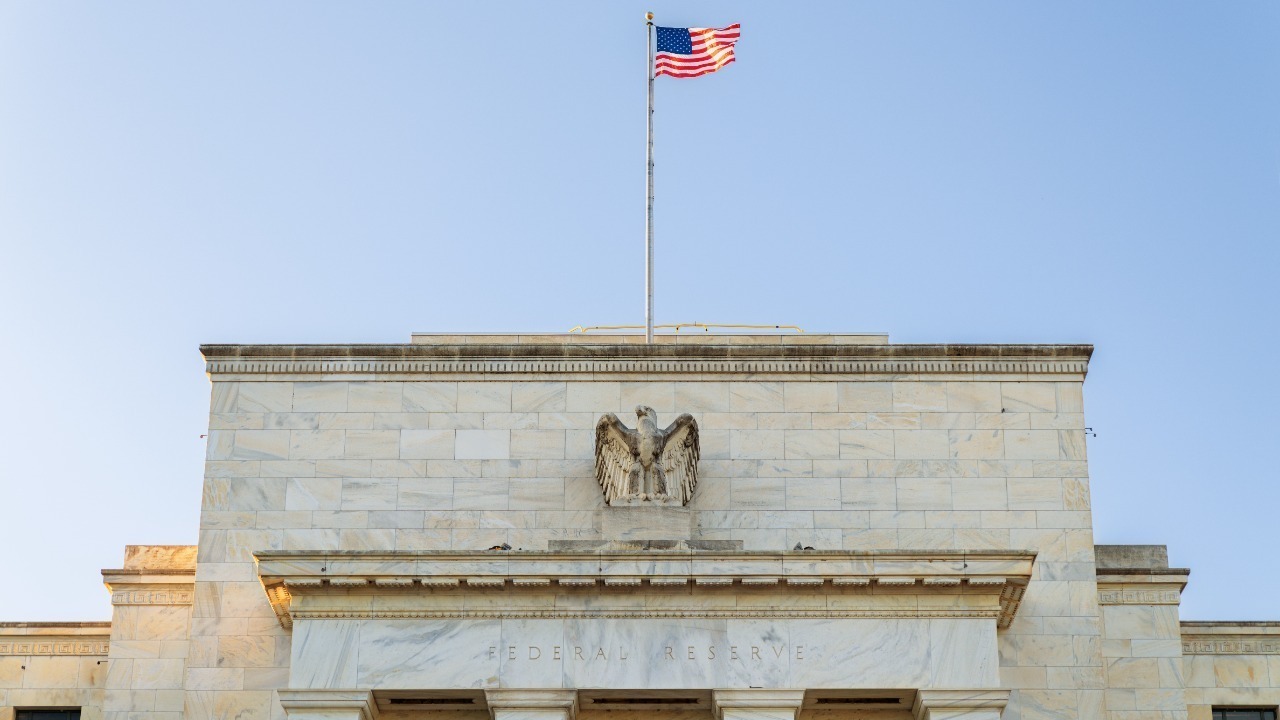
Traders went into the latest policy lull convinced the Federal Reserve was in no rush to ease, only to watch the odds of an early rate cut swing sharply as fresh labor data landed just as officials fell silent. With the Federal Open Market Committee now locked in its pre‑Meeting blackout, markets are being forced to price the next move without the usual stream of speeches and interviews that often guide expectations. I see that vacuum amplifying every data point and Wall Street forecast, turning a routine quiet period into a high‑stakes guessing game over when the first cut will actually arrive.
Labor data nudges markets toward earlier cuts
The pivot in rate expectations starts with the jobs numbers that arrived just before policymakers went quiet. The unemployment rate edged down to 4.4% in December from 4.5% in November, a modest improvement that suggested the labor market is cooling without collapsing. At the same time, Thursday’s jobless claims figure showed only 198 thousand new filings, a level more consistent with steady hiring than a slide into recession. I read that combination as giving the Fed room to keep policy tight if it wants, but also as a signal to investors that the worst‑case growth scenarios that once justified very aggressive cuts are not materializing.
That nuance has not stopped markets from leaning toward earlier easing as the blackout begins. Futures pricing has shifted away from the idea that the central bank will sit on its hands until deep into the year and toward a baseline that the first cut could arrive by late spring, with some traders still betting on a move even sooner if inflation cooperates. The fact that the unemployment rate has retreated while claims remain contained tells investors that the Fed can cut from a position of relative strength rather than under duress, which tends to embolden those calling for a faster pivot. In my view, that is why a single set of labor figures has had an outsized impact on rate odds just as policymakers stop talking.
Blackout rules shut off the usual policy hints
The shift in expectations is colliding with strict communication rules that sharply limit what officials can say in the run‑up to each decision. Under formal Blackout Periods, Federal Reserve policy restricts how much staff and participants in the Federal Open Market Committee can comment on the outlook or financial conditions. The Federal Reserve uses these blackout windows to reduce the risk that off‑the‑cuff remarks sway markets or appear to front‑run the outcome of the next Meeting. I see that discipline as essential for credibility, but it also means traders are left to interpret data without the usual clarifications from policymakers when the stakes are highest.
The rules apply to every voting and non‑voting member of the Federal Open Market, as well as key staff, and they typically begin about ten days before each FOMC gathering. A separate definition of the Fed blackout underscores that the Federal Reserve wants to prevent its own officials from overshadowing incoming Economic Data during this period. In practice, that means no speeches, limited interviews, and carefully scripted appearances, which deprive markets of the incremental guidance they often rely on to refine their rate bets. As a result, the latest unemployment and claims figures are echoing more loudly than usual, because there is no immediate way for the Fed to lean against any market move it considers overdone.
Calendar quirks magnify the stakes of the next Meeting
The timing of the blackout matters because it brackets a Meeting that could set the tone for the entire year. The official FOMC Meetings calendar shows that the committee gathers regularly across Jan, March, April and June, with the January 27‑28 slot marking the first chance to adjust policy this year. That schedule means any decision to cut, hold, or signal future moves at the January Meeting will shape expectations for at least several months, especially because there is no guarantee the committee will want to move at every subsequent gathering. I see that as one reason rate odds are so sensitive right now: traders know that if the Fed passes on an early cut, the window for a gentle glide path narrows.
Outside observers track the same dates, often translating the official calendar into investor‑friendly reminders of when the next decision is due. One widely used economic calendar notes that the next FOMC gathering of the Federal Open Market Committee will be on January 27‑28, and it emphasizes that The Federal Open Market Committee remains the key venue where rate policy is set. I find that the clustering of meetings early in the year gives the Fed flexibility on paper, but the political and market pressure around the first decision often makes it harder to change course quickly afterward. That is why the blackout around this particular Meeting feels especially consequential: it is the last quiet stretch before the committee either validates or upends the market’s new conviction about earlier cuts.
Strategists cool expectations even as traders lean dovish
While futures markets have grown more confident about near‑term easing, some institutional research shops are urging clients not to get carried away. A recent note from Morgan Global Research framed its Key takeaways around the idea that, With the unemployment rate stabilizing, the Federal Reserve does not need to rush into cuts. In that view, the Fed can afford to wait for clearer evidence that inflation is on a durable path back to target before trimming rates, especially since the labor market has not cracked. I read that as a direct challenge to the more aggressive easing path implied by some market pricing, and as a reminder that policymakers may be more patient than traders who are eager to lock in lower borrowing costs.
Other analysts are similarly cautious, arguing that the Fed will want to see several more months of benign data before it risks loosening too quickly. They point out that the Federal Reserve has spent years rebuilding its inflation‑fighting credibility and that the Fed, as an institution, tends to move gradually once it believes policy is in restrictive territory. From my perspective, that tension between strategist caution and trader optimism is exactly what the blackout accentuates: without fresh speeches from Fed officials to tilt the balance one way or the other, both camps can claim the data supports their case, and the eventual decision risks surprising at least one side.
Powell’s caution and the risk of a later first cut
Layered on top of the data and the calendar is the personality and track record of the current leadership. Reporting around the last major decision highlighted that Powell showed hesitancy around cutting too quickly, a stance that some analysts argue contributed to the unemployment rate rising earlier in the cycle. The same coverage noted that the Fed cut rates at a key December Meeting even as dissents loomed, underscoring how divided the committee can be when growth and inflation signals are mixed. I interpret that history as a sign that Powell is likely to err on the side of caution again, preferring to wait for overwhelming evidence before endorsing a rapid easing cycle.
That instinct aligns with broader commentary suggesting the central bank is unlikely to cut as soon as the most dovish traders hope. One detailed analysis argued that, But the monthly total for job gains came in close to economists’ expectations and the unemployment rate ticked down, which was enough to convince many that a rate cut is unlikely until June. In my view, that timeline reflects a compromise between the market’s desire for relief and the Fed’s need to see a sustained trend, not just one or two friendly reports. As the blackout holds and the January Meeting approaches, the odds may keep swinging, but the underlying message from the data and from Powell’s past behavior is that the first cut is more likely to be deliberate than dramatic, no matter how loudly markets try to front‑run it.
More From The Daily Overview

Grant Mercer covers market dynamics, business trends, and the economic forces driving growth across industries. His analysis connects macro movements with real-world implications for investors, entrepreneurs, and professionals. Through his work at The Daily Overview, Grant helps readers understand how markets function and where opportunities may emerge.

