A federal statute that many car buyers have never heard of gives them the right to sue a dealer who rolls back or misrepresents a vehicle’s odometer reading with the intent to defraud. Under 49 U.S. Code Section 32710, a private citizen can file a civil lawsuit and recover three times their actual damages or $10,000, whichever is greater, plus attorney fees and court costs. The same odometer framework is also enforced by federal agencies, including the Department of Justice and the National Highway Traffic Safety Administration.
How Federal Law Lets Buyers Sue Over Odometer Fraud
The Federal Odometer Act does more than make mileage tampering a crime. It creates an express private right of action, meaning buyers do not have to wait for a prosecutor to act on their behalf. Under the civil remedy provisions of the odometer statute, any person who suffers harm from a violation of the federal odometer chapter, its regulations, or related orders can bring a civil suit, provided the violation was committed “with intent to defraud.” The statute sets a damages floor: a successful plaintiff receives three times actual damages or $10,000, whichever amount is greater, and the law applies whether the defendant is an individual seller, a dealership, or a larger operation engaged in a pattern of rollbacks.
That treble-damages structure is designed to make lawsuits financially viable for individual consumers who might otherwise walk away from a loss. The law also requires courts to award reasonable attorney fees and litigation costs to winning plaintiffs, which removes one of the biggest barriers to filing suit. A buyer who paid thousands more for a car because the odometer showed 40,000 miles instead of 140,000 does not need deep pockets to hold the dealer accountable. The statute itself provides the financial incentive for trial-focused attorneys to take these cases on contingency, giving ordinary drivers a realistic way to enforce their rights in court.
The Federal Enforcement Machine Behind Odometer Cases
Private lawsuits operate alongside a broader government enforcement effort that treats mileage manipulation as a serious form of fraud. The Consumer Protection Branch within the Department of Justice brings civil enforcement actions under federal odometer laws, and odometer tampering can also be prosecuted criminally by federal authorities. According to internal guidance in the Justice Manual, federal lawyers are instructed to seek remedies that deter future violations and secure compensation for victims, reflecting a policy view that odometer fraud is not a minor paperwork issue but a significant consumer protection problem.
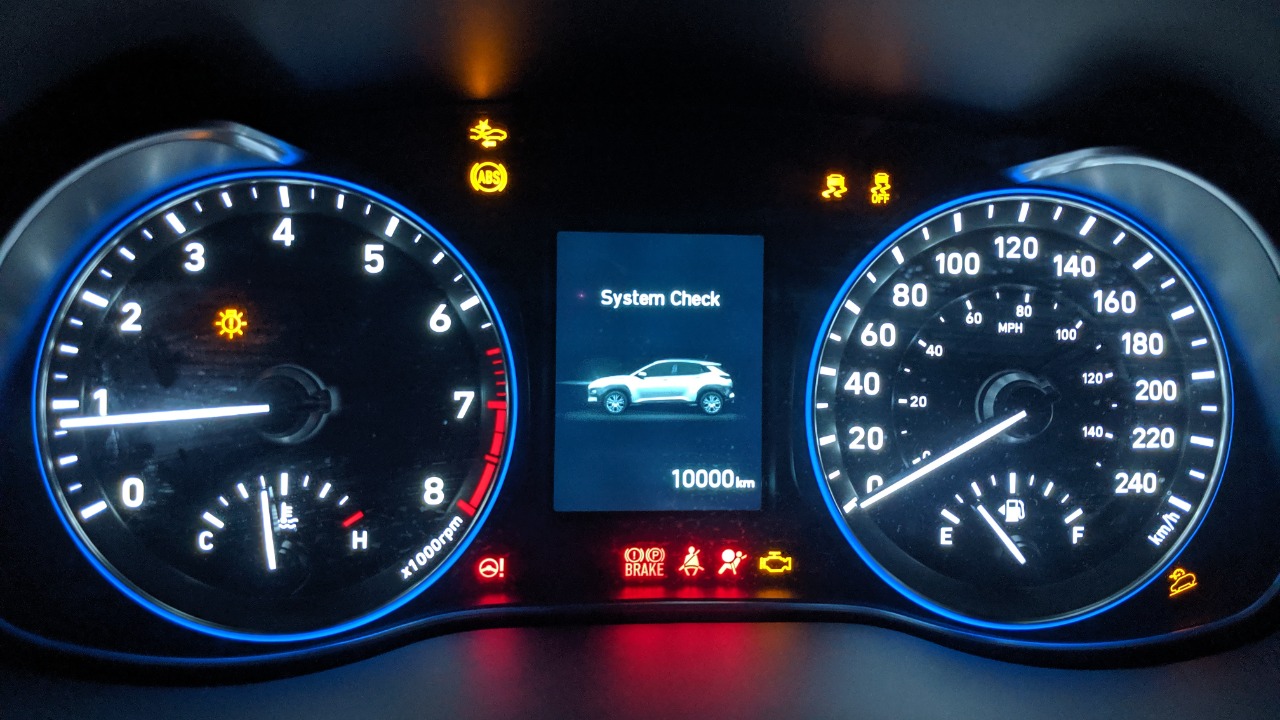
Investigations can rely on the specialized expertise of NHTSA’s odometer staff, which can support enforcement with technical assistance and investigative support. That partnership matters because odometer fraud has become harder to detect in the digital age. Older mechanical odometers could be physically rolled back with simple tools, but modern electronic instrument clusters often require software manipulation or replacement modules, making the fraud less visible to untrained eyes. By combining federal investigative resources with the deterrent effect of criminal prosecutions and civil penalties, regulators aim to make large-scale rollback schemes too risky to be profitable.
Proving “Intent to Defraud” Is the Key Hurdle
The statute’s requirement that a violation be committed “with intent to defraud” is the single most contested element in private odometer lawsuits. Dealers who face these claims almost always argue that any mileage discrepancy was an honest mistake, a data-entry error, or a misunderstanding about prior repairs rather than deliberate deception. Courts therefore focus heavily on circumstantial evidence: inconsistent mileage records across title documents, service histories that contradict the displayed odometer, or internal dealership communications showing that staff knew of higher mileage before the sale. In practice, the more documentation a buyer can gather, the easier it becomes to show that the misstatement was not accidental.
Still, the practical effect of the treble-damages provision and mandatory fee-shifting is that the law tilts toward consumer protection once intent is established. A dealer who knowingly sells a car with a rolled-back odometer faces exposure well beyond the purchase price difference. The $10,000 statutory minimum, combined with attorney fees and costs, means even a relatively small transaction can produce a significant judgment and reputational damage. That financial risk is the core deterrent the law was built to create, and it gives buyers real leverage in settlement negotiations before a case ever reaches trial. Knowing that a loss in court could trigger multipliers and fee awards, many dealers choose to resolve strong claims quietly.
Wider Dealer Fraud Draws New Regulatory Heat
Odometer tampering is only one piece of a larger problem in the retail auto market. The Federal Trade Commission announced a new “CARS Rule” in December 2023 to address a range of deceptive dealer practices that extend well beyond mileage fraud. The agency highlighted recurring patterns such as bait-and-switch advertising, hidden junk fees tacked on at signing, and misrepresentations about financing terms, add-on products, and available discounts. These tactics can inflate the total cost of a vehicle by thousands of dollars, especially when buyers are pressured to sign quickly or told that the deal will disappear if they ask too many questions.
Those practices often overlap with odometer fraud in a single transaction. A dealer who inflates a car’s apparent value by rolling back the mileage may also layer on undisclosed fees, sell unnecessary add-ons, or steer the buyer into a longer, more expensive loan. The FTC’s rulemaking effort signals that federal regulators view dealership fraud as a systemic issue rather than a collection of isolated bad actors. For buyers, the practical takeaway is that multiple legal tools now exist in parallel. A consumer who suspects deception can file a report through the FTC’s fraud reporting portal and simultaneously explore a private lawsuit under the Federal Odometer Act if mileage manipulation is involved. The two paths are not mutually exclusive, and pursuing both can strengthen a buyer’s position by creating a record and increasing pressure on the dealership.
What This Means for Anyone Buying a Used Car
Most coverage of dealer fraud focuses on what regulators are doing. The less-reported story is the power that already sits in the hands of individual buyers through Section 32710. The statute does not require a class action, a government investigation, or a large group of victims to trigger. A single buyer who can demonstrate that a dealer altered or misrepresented an odometer reading with fraudulent intent can recover meaningful damages on their own, including treble damages and attorney fees. That right has existed for decades, but many consumers and even some lawyers remain unaware of its specific provisions, which means some victims simply absorb their losses instead of seeking relief.
The gap between the law on the books and public awareness of it is where the real problem lies. Buyers who rely solely on vehicle history reports or quick visual inspections may miss sophisticated digital odometer fraud entirely, assuming that a clean report guarantees accurate mileage. In reality, federal enforcement by DOJ and NHTSA, combined with the FTC’s broader push against dealership deception, is only one side of the equation. The other is private enforcement: consumers willing to document discrepancies, consult counsel, and, when the evidence supports it, file suit under the odometer statute. As more buyers learn that they can recover three times their losses or at least $10,000, plus their legal fees, the balance of power in used-car transactions shifts, making it riskier for dishonest dealers to treat odometer fraud as just another way to pad profits.
More From The Daily Overview
*This article was researched with the help of AI, with human editors creating the final content.

Grant Mercer covers market dynamics, business trends, and the economic forces driving growth across industries. His analysis connects macro movements with real-world implications for investors, entrepreneurs, and professionals. Through his work at The Daily Overview, Grant helps readers understand how markets function and where opportunities may emerge.