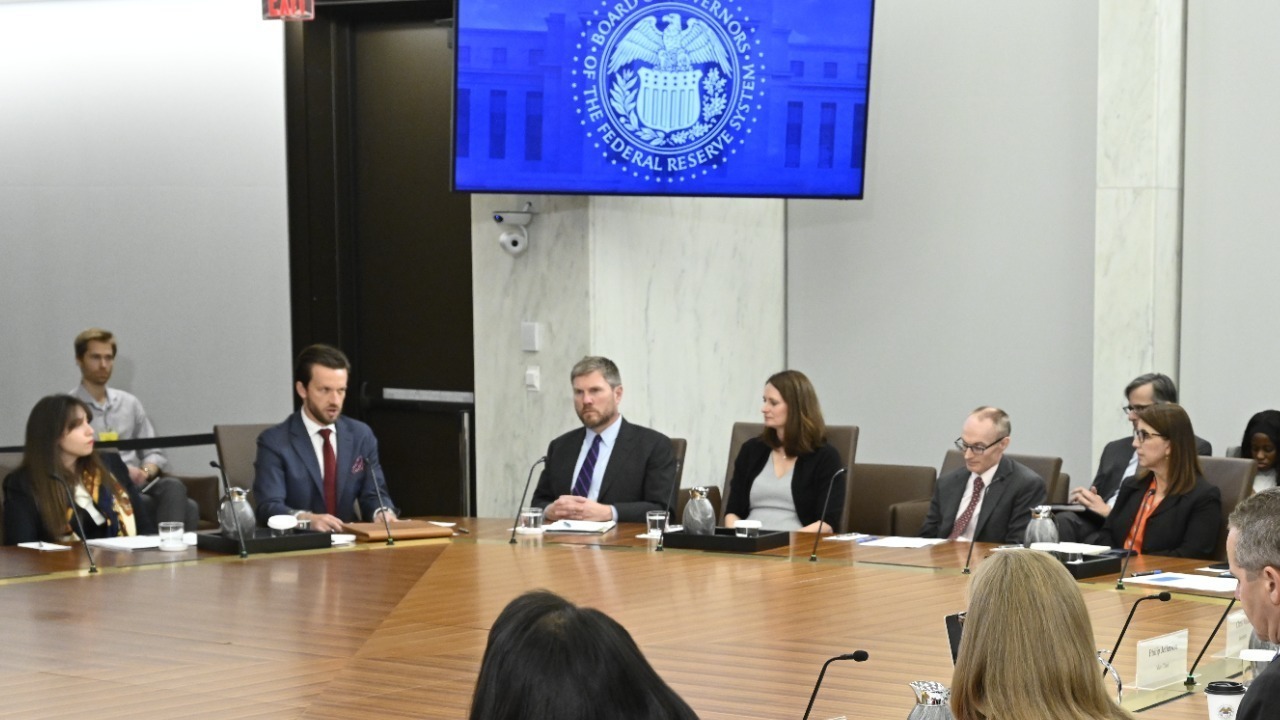
The Federal Reserve’s Federal Open Market Committee (FOMC) is poised to make a critical decision this week regarding a potential interest rate cut. With markets anticipating a 90% chance of a 25 basis point reduction, the Fed faces a challenging choice between supporting a weakening job market and addressing persistent inflation. Recent economic data, including an uptick in unemployment to 4.1% in September 2025, underscores the stakes of this decision, which could significantly impact borrowing costs for both consumers and businesses. As the FOMC meeting approaches on October 29-30, 2025, this move could signal a pivotal shift from the Fed’s previous stance of maintaining steady rates since July 2023.
The Fed’s Balancing Act: Jobs vs. Inflation
Recent labor market indicators reveal a concerning trend, with the unemployment rate rising to 4.1% in September 2025 from 4.0% in August. Nonfarm payrolls added only 142,000 jobs last month, indicating a slowdown that has fueled calls for rate cuts to stimulate hiring. This softening job market presents a dilemma for the Fed as it weighs the need to support employment against the risk of exacerbating inflation.
Inflation remains a pressing concern, with the core PCE price index holding at 2.7% year-over-year in August 2025, exceeding the Fed’s 2% target. Despite a cooling in energy prices, shelter costs continue to exert upward pressure on inflation. Fed Chair Jerome Powell has emphasized the dual mandate of promoting maximum employment and stable prices. In a speech in September 2025, Powell noted that “the labor market remains solid but is showing signs of cooling,” which has shifted expectations toward a more accommodative policy stance sooner than previously anticipated.
What a Rate Cut Means for Consumers’ Wallets
A potential rate cut could have significant implications for consumer borrowing. Mortgage rates, currently averaging 6.8%, might decrease if the Fed reduces rates by 25 basis points this week. This could make home loans more affordable for the 30% of Americans planning major purchases in the next year. Lower borrowing costs could provide a much-needed boost to consumer spending and economic growth.
Additionally, a rate cut could affect credit card and auto loan rates. With average APRs at 21.5% on credit cards and 7.2% on new car loans, a reduction in rates could save households an estimated $500 annually on revolving debt. This is particularly important as rising delinquencies have been reported in Q3 2025, highlighting the financial strain on many consumers.
However, savers might see a downside. Savings account yields, which have been elevated since the Fed’s hiking cycle began in March 2022, could decline from the current 4.5% APY on high-yield accounts. This would reduce interest income for retirees and savers who have benefited from higher rates, potentially impacting their financial security.
Broader Economic Ripples and What’s Changed
The potential rate cut could also influence business investment. According to the latest NFIB survey from October 2025, small businesses have cited high borrowing costs as a barrier to expansion, with 23% reporting delayed capital spending plans. A rate cut could unlock $200 billion in pent-up investment, providing a boost to economic activity and job creation.
Stock markets have already reacted to the prospect of a rate cut, with the S&P 500 rallying 5% in the past month. However, a smaller-than-expected move could reverse these gains, affecting 401(k) balances for 60 million American workers. This highlights the interconnectedness of monetary policy decisions and financial markets.
Expectations have shifted significantly since June 2025, when the Fed’s dot plot projections forecasted no cuts until 2026. Revised data and Powell’s dovish tone have accelerated timelines, increasing the likelihood of three cuts by the end of 2025 from just one earlier in the summer. As the FOMC meeting approaches, the outcome will be closely watched for its impact on the economy and financial markets. For more details on what to expect from the FOMC meeting, visit Bankrate.
More From TheDailyOverview
- Dave Ramsey warns to stop 401(k) contributions
- 11 night jobs you can do from home (not exciting but steady)
- Small U.S. cities ready to boom next
- 19 things boomers should never sell no matter what

Grant Mercer covers market dynamics, business trends, and the economic forces driving growth across industries. His analysis connects macro movements with real-world implications for investors, entrepreneurs, and professionals. Through his work at The Daily Overview, Grant helps readers understand how markets function and where opportunities may emerge.

