
As the popularity of buy-now-pay-later (BNPL) services skyrockets, financial experts are raising alarms about potential pitfalls. While these services offer consumers an appealing alternative to traditional credit, hidden dangers and long-term financial implications warrant careful consideration.
The Rise of Buy-Now-Pay-Later Services

In recent years, buy-now-pay-later services have witnessed a meteoric rise in popularity, particularly among younger consumers who are often drawn to the promise of instant gratification without immediate financial burden. Services like Klarna, Afterpay, and Affirm have become household names, enticing users with the ability to split payments into manageable chunks. This trend is not just limited to big-ticket items; according to a recent survey, a growing number of consumers are even using BNPL options for everyday expenses, such as groceries.
The marketing strategies employed by BNPL companies play a significant role in their widespread adoption. These platforms are seamlessly integrated into online shopping experiences, making it effortless for consumers to opt for deferred payment options. The allure of “no interest” or “zero fees” during initial promotional periods further adds to their appeal. However, the ease of access and attractive marketing can sometimes overshadow the underlying financial obligations associated with these services.
The Hidden Costs and Fees
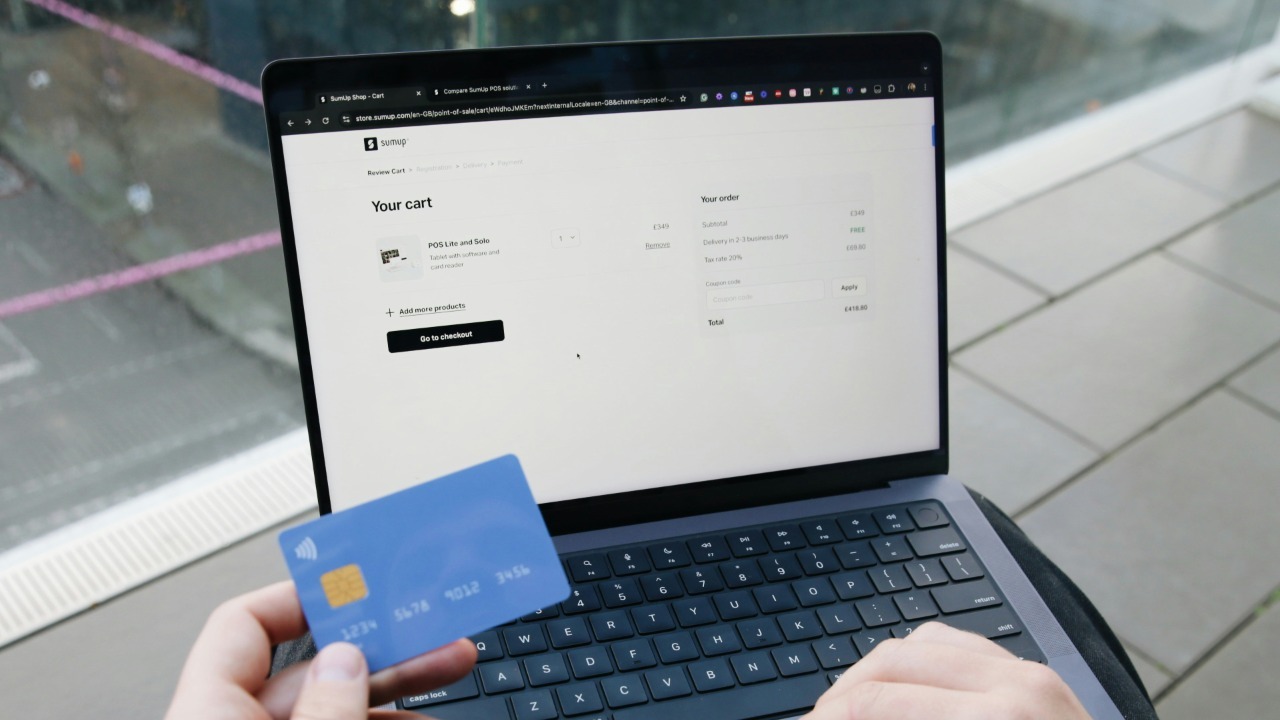
While BNPL services often advertise themselves as cost-effective alternatives to traditional credit, there are several potential financial pitfalls that consumers might overlook. Many BNPL providers charge interest rates that can rival or even exceed those of credit cards once the promotional periods end. Additionally, late fees are a common feature, which can quickly accumulate if users miss payments. A lack of clarity in terms and conditions often leads to consumers being caught off guard by unexpected charges.
These hidden costs can have a profound impact on consumers’ long-term financial health. A study by financial experts highlights that many users fail to fully understand the terms of their BNPL agreements, leading to financial strain and debt accumulation. As these fees add up, they can erode savings and limit future financial flexibility, trapping consumers in a cycle of debt that is difficult to escape.
Impact on Credit Scores and Financial Health
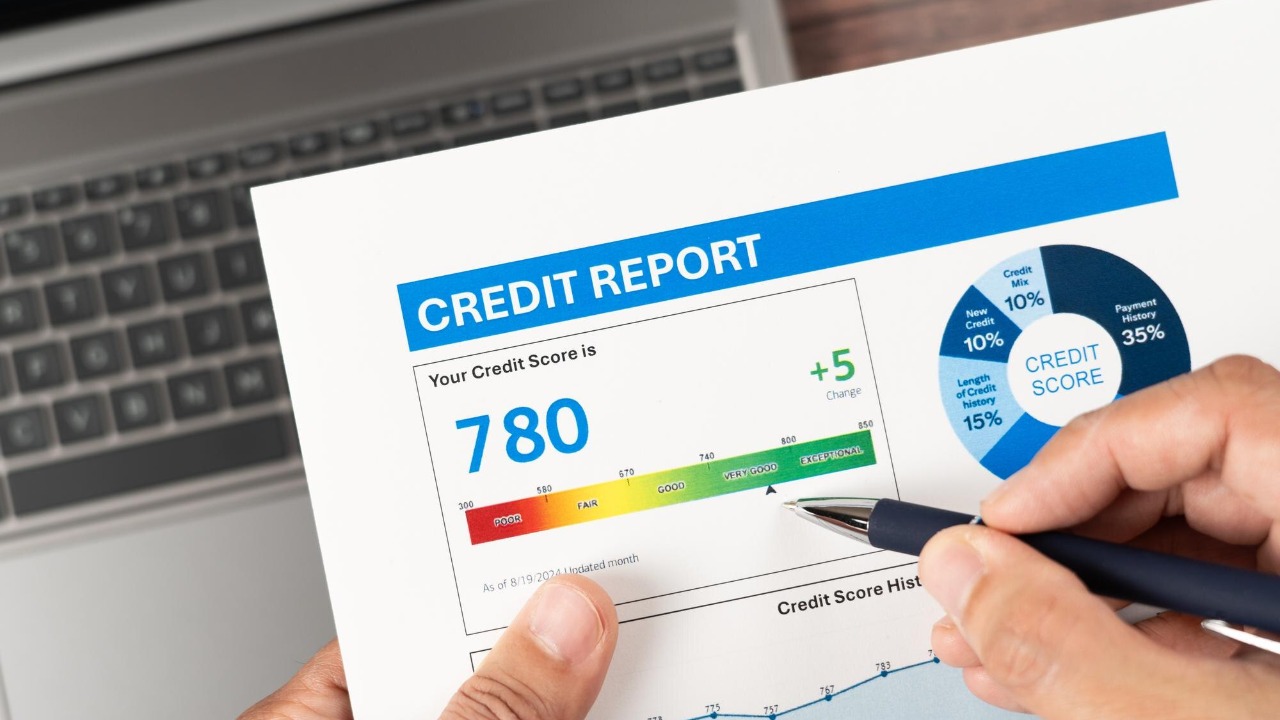
One of the lesser-known aspects of using BNPL services is their potential impact on credit scores. Depending on the provider, repaying BNPL installments on time can positively affect a user’s credit score, as it demonstrates responsible financial behavior. However, the opposite is also true; missed payments can negatively impact credit scores, sometimes more severely than traditional credit card delinquencies.
The convenience of BNPL can also lead to over-reliance, causing consumers to accumulate debt across multiple platforms. Managing numerous BNPL accounts and payment schedules can be challenging, increasing the risk of missed payments and financial mismanagement. A recent paper on consumer behavior indicates that the ease of access to BNPL services can encourage impulse buying, further exacerbating debt issues.
Consumer Protection and Regulation Challenges
As BNPL services continue to grow in popularity, the regulatory landscape struggles to keep pace. Currently, there are significant gaps in consumer protection, leaving users vulnerable to potential exploitation. Many financial experts argue that existing regulations are inadequate, as they often do not treat BNPL providers with the same scrutiny as traditional financial institutions.
Consumer protection agencies have a crucial role in addressing these regulatory challenges. They must advocate for increased transparency in BNPL terms and conditions, ensuring that consumers are fully aware of the potential risks involved. Furthermore, there is a pressing need for consumer education initiatives that highlight the financial implications of using BNPL services, empowering users to make informed decisions. As noted in a recent analysis, improving regulatory frameworks and enhancing consumer awareness are essential steps to mitigate the risks associated with BNPL.
Expert Recommendations for Consumers

Financial experts offer several strategies for consumers to safely navigate the world of BNPL services. Firstly, it is crucial to approach BNPL with the same level of diligence as any other financial commitment. Reading and understanding the terms and conditions can prevent unexpected financial surprises. Experts also recommend setting a strict budget and sticking to it, ensuring that BNPL payments do not exceed one’s financial capacity.
Moreover, consumers should explore alternative payment options and weigh the long-term financial impacts before opting for BNPL. Traditional credit cards, for example, might offer more flexibility and rewards if used responsibly. Financial planning and discipline are key; ensuring that BNPL payments fit within a broader financial strategy can prevent debt accumulation and protect credit scores. As noted by experts in a recent investigation, being mindful of the cumulative effect of BNPL obligations is crucial for maintaining financial health.

Cole Whitaker focuses on the fundamentals of money management, helping readers make smarter decisions around income, spending, saving, and long-term financial stability. His writing emphasizes clarity, discipline, and practical systems that work in real life. At The Daily Overview, Cole breaks down personal finance topics into straightforward guidance readers can apply immediately.
