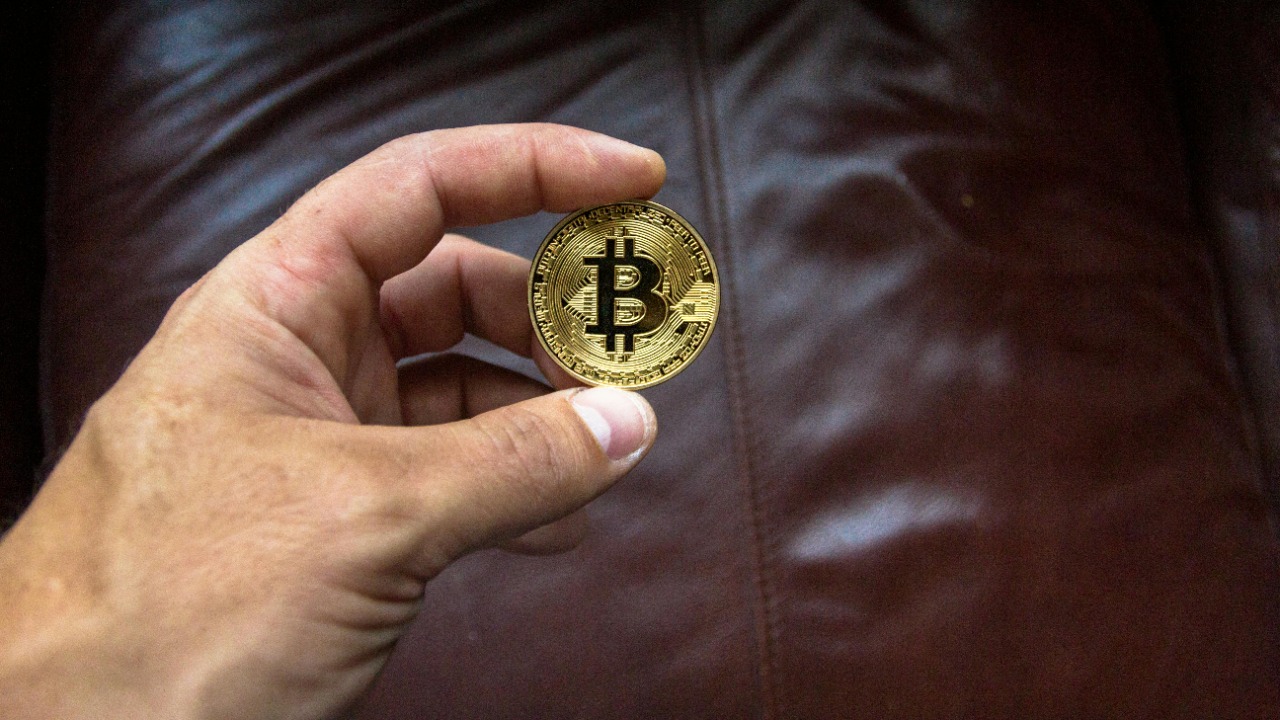
Bitcoin remains a focal point of global financial discourse, often surrounded by misconceptions that obscure its true nature and potential. Recent analyses, including a fresh take on debunking Bitcoin myths, highlight the need to address these misunderstandings. By examining historical data and expert insights, we can clarify Bitcoin’s role in the financial landscape and dispel persistent myths that continue to circulate.
Myth 1: Bitcoin Is Just a Speculative Bubble
Many critics label Bitcoin as a speculative bubble, but historical price cycles and adoption metrics tell a different story. Bitcoin has experienced significant growth beyond mere hype, as evidenced by its increasing adoption and integration into mainstream financial systems. Historical analyses, such as those from Coinbase, show that Bitcoin’s price fluctuations are characteristic of emerging technologies rather than indicative of a bubble.
Institutional investments further validate Bitcoin’s legitimacy as an asset class. Major financial institutions have begun to allocate portions of their portfolios to Bitcoin, recognizing its potential as a store of value. This trend is supported by market cap comparisons to traditional assets, as detailed in Binance’s analysis. While volatility remains a feature, it is a common trait among nascent technologies, as noted by CoinShares.
Myth 2: Bitcoin Enables Only Criminal Activity
The notion that Bitcoin is primarily used for criminal activities is a misconception that overlooks the transparency of its public ledger. Bitcoin transactions are recorded on a blockchain, which is accessible to anyone and provides a level of transparency not found in traditional financial systems. This transparency, coupled with regulatory compliance tools, is highlighted in a recent analysis by Yahoo Finance.
Comparatively, the rate of illicit use of Bitcoin is lower than that of cash or traditional banking systems. Studies, such as those referenced by Coinbase, demonstrate that the majority of Bitcoin transactions are legitimate. Furthermore, law enforcement agencies have successfully used blockchain analysis to track and apprehend criminals, as noted by Binance.
Myth 3: Bitcoin Has No Intrinsic Value
Critics often argue that Bitcoin lacks intrinsic value, but this overlooks its inherent scarcity and utility. Bitcoin’s supply is capped at 21 million coins, a feature that ensures its scarcity and potential as a hedge against inflation. This scarcity is further emphasized by halving events, which reduce the rate of new Bitcoin creation, as explained by CoinShares.
Beyond scarcity, Bitcoin’s utility in decentralized finance and cross-border remittances adds to its value proposition. It offers a decentralized alternative to traditional financial systems, providing users with greater control over their assets. This utility is highlighted in the recent analysis by Yahoo Finance. Unlike fiat currencies, which are backed by government trust, Bitcoin’s value is derived from its technological framework and user adoption, as noted by Coinbase.
Myth 4: Bitcoin Transactions Are Completely Anonymous
While Bitcoin transactions are often perceived as anonymous, they are actually pseudonymous. Each transaction is recorded on the blockchain, which can be analyzed to trace activity back to specific addresses. This distinction between pseudonymity and true anonymity is crucial, as highlighted by Binance.
Privacy-enhancing protocols, such as mixers, attempt to obscure transaction details, but they have limitations and are not foolproof. These tools are discussed in Coingeek’s analysis. Additionally, the increasing integration of Know Your Customer (KYC) protocols on exchanges further diminishes the anonymity of Bitcoin transactions, as noted by CoinShares.
Myth 5: Bitcoin’s Energy Use Makes It Unsustainable
Bitcoin’s energy consumption is often criticized, but a closer examination reveals a more nuanced picture. A significant portion of Bitcoin mining operations utilize renewable energy sources, reducing the environmental impact. This is supported by data from Coinbase, which compares Bitcoin’s energy use to that of other industries, such as gold mining and data centers.
Moreover, Bitcoin’s energy efficiency has improved over time, particularly following halving events that reduce the reward for mining new blocks. These efficiency gains, coupled with green initiatives within the industry, are highlighted in the recent analysis by Yahoo Finance. As the industry continues to innovate, Bitcoin’s sustainability is likely to improve further, aligning with broader environmental goals.
More From TheDailyOverview
- Dave Ramsey says these two simple questions show whether you’re rich or poor
- Retired But Want To Work? Try These 18 Jobs for Seniors That Pay Weekly
- IRS raises capital gains thresholds for 2026 and what’s new
- 12 ways to make $5,000 fast that actually work

Cole Whitaker focuses on the fundamentals of money management, helping readers make smarter decisions around income, spending, saving, and long-term financial stability. His writing emphasizes clarity, discipline, and practical systems that work in real life. At The Daily Overview, Cole breaks down personal finance topics into straightforward guidance readers can apply immediately.

