Grocery shoppers are still feeling the sting of higher prices, even as overall inflation cools. The latest research points to a handful of everyday staples that are doing outsized damage to family budgets, driven by supply constraints, corporate pricing power, and shifting consumer demand. I want to unpack five of the biggest culprits and explain how they fit into the broader story of food inflation that has reshaped supermarket receipts since 2020.
Behind every painful checkout total is a mix of global shocks and domestic policy choices, but also very specific dynamics in meat, poultry, grains, dairy, and processed foods. By looking closely at these categories, it becomes easier to see why some items keep climbing faster than others, and what levers government and regulators actually have to cool the pressure on household grocery bills.
Meat: Fewer cows, higher prices
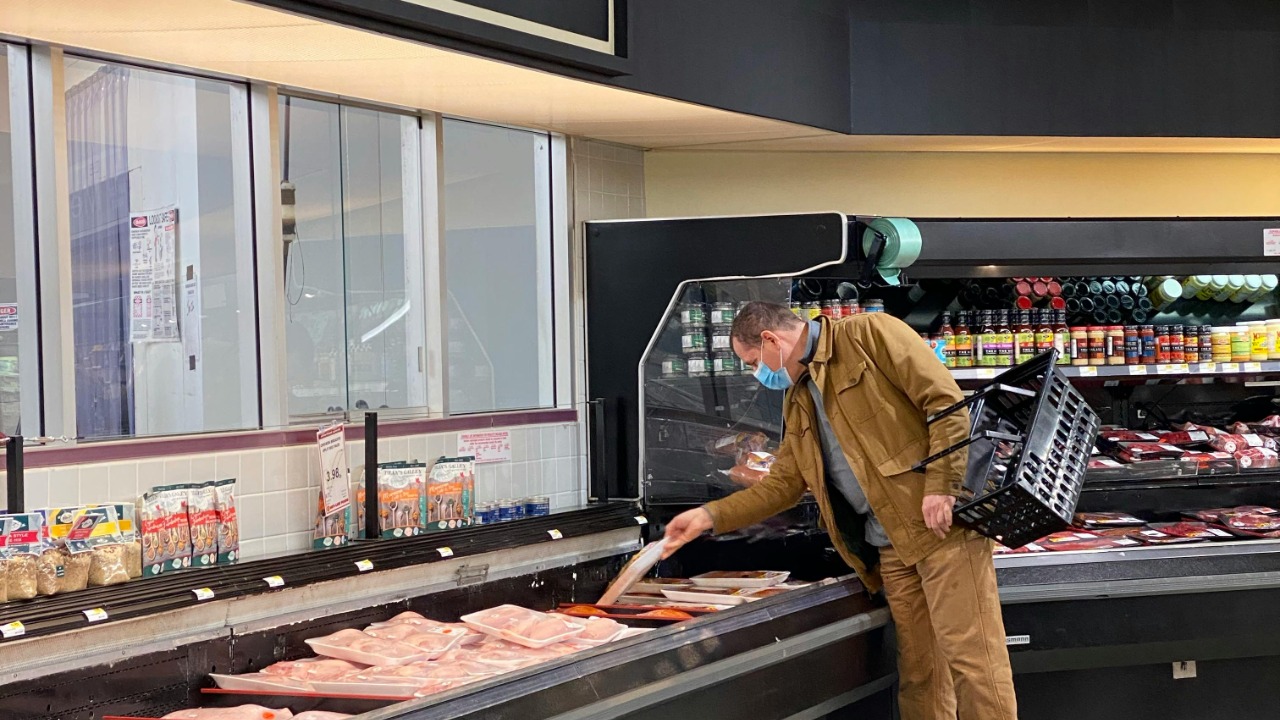
Meat is at the center of the grocery inflation story, and beef in particular has become a symbol of how fragile food supply chains can be. Since 2020, the number of cows raised for beef consumption has decreased, a structural shift that has tightened supply just as demand for burgers, steaks, and roasts has remained resilient. I see that imbalance showing up directly in the meat case, where smaller herds translate into higher wholesale costs that retailers pass along to shoppers.
The Main Drivers analysis of Grocery Inflation highlights Meat as a core pressure point, noting that the decline in cattle numbers Since 2020 has given large processors more leverage to raise prices. That squeeze is layered on top of broader food inflation that, according to consumer price data, has pushed overall grocery costs far above pre‑pandemic levels. When I look at the meat aisle now, I see not just higher price tags but a concentration of power among a few big companies that can maintain margins even when input costs ease, which keeps beef and other red meats among the most stubbornly expensive items in the store.
Poultry: Strong demand and rising costs
Chicken was once the budget-friendly fallback when beef got too pricey, but poultry is no longer the easy bargain it used to be. Strong demand for chicken breasts, wings, and processed products like nuggets has collided with higher feed, labor, and energy costs, pushing prices steadily upward. For families trying to stretch protein dollars, that means fewer obvious trade‑downs when they move from steak to drumsticks.
Recent retail data shows how persistent that trend has become, with Poultry prices reported as 2.5 percent higher in May 2025 than in May 2024 and predicted to increase in 2025 due to strong demand amid tight supplies of other animal protein products. I read that as a sign that chicken is absorbing some of the pressure created by smaller beef herds and more expensive pork, effectively spreading protein inflation across the entire meat case. When every major animal protein category is rising at once, shoppers lose the ability to simply swap one meat for another to escape higher prices, which keeps poultry firmly on the list of foods driving grocery inflation.
Grains and processed staples: From cereal to snack aisles
Grain-based foods are another quiet driver of higher grocery bills, because they show up in so many everyday items. When the cost of wheat, corn, or soy climbs, the impact ripples through breakfast cereals, sandwich bread, pasta, crackers, and snack foods. I see that effect most clearly in the center aisles, where boxes and bags that once felt like cheap pantry fillers now command premium prices.
Inflation data from the Consumer Price Index, tracked by the official CPI series, captures how categories like cereals and bakery products have risen faster than overall inflation at various points since the pandemic. Those increases are compounded by the pricing strategies of large food manufacturers, which can shrink package sizes or introduce “premium” versions to justify higher price points. When I connect that pattern to the broader finding that grocery price increases have outpaced overall inflation in recent years, it becomes clear that grain-based processed staples are doing more than their share to push up the total on the receipt, even if each individual box of crackers or cereal only rises by a small amount at a time.
Dairy: Milk, cheese, and the cost of keeping shelves stocked
Dairy products sit at the intersection of volatile farm economics and steady consumer demand, which makes them a recurring source of price pressure. Milk, cheese, and yogurt are staples in most households, so even modest increases can feel significant. I see dairy inflation as a story of rising input costs, from feed and fuel to packaging and transportation, layered on top of a market where consumers have limited flexibility to cut back.
Analysts who track grocery trends note that dairy prices have been part of the broader pattern in which grocery price increases have outpaced overall inflation, a point underscored in the Feb 1, 2024 release of the New Groundwork Report Reveals Key Drivers of Grocery Inflation and What Government Can Do About It. That report emphasizes how higher food costs hit Americans who receive SNAP benefits particularly hard, since staples like milk and cheese take up a larger share of low‑income budgets. When I look at the dairy case now, I see not just higher prices but a widening gap between what families need nutritionally and what they can comfortably afford, which is why dairy belongs on any list of foods driving grocery inflation.
Packaged and convenience foods: Pricing power in the center aisles
Packaged and convenience foods, from frozen dinners to canned soups and ready‑to‑eat meals, have quietly become some of the most inflation‑sensitive items in the store. These products bundle multiple ingredients, energy-intensive processing, and heavy marketing, which means any increase in underlying costs can be magnified by the time it reaches the shelf. I see this category as a barometer of how much pricing power big brands feel they have, because they can test how far consumers will tolerate higher prices for the sake of convenience.
The Feb 1, 2024 analysis of Grocery price increases notes that these costs have outpaced overall inflation, which aligns with what I see in the frozen and snack aisles. Companies have leaned on tactics like “shrinkflation,” where package sizes get smaller while prices stay the same or rise, effectively raising the per‑unit cost without an obvious sticker shock. For shoppers who rely on frozen pizzas, boxed macaroni and cheese, or microwaveable bowls to save time, those incremental increases add up quickly, making packaged foods a major contributor to the perception that the grocery store has become unaffordable.
The bigger picture: How five foods shape the inflation story
When I step back from individual categories, the pattern across meat, poultry, grains, dairy, and packaged foods tells a larger story about how grocery inflation has evolved. Earlier in the pandemic, price spikes were often blamed on temporary disruptions, but the persistence of higher costs in these five areas suggests deeper structural issues. According to one detailed review of food costs, the breakneck pace of earlier increases resulted in grocery prices being 27 percent higher than they were in February 2020, a shift that continues to keep food inflation elevated and can even reaccelerate overall inflation when food prices rise again. Meat and poultry sit at the heart of that jump, but grains, dairy, and processed foods amplify the effect by touching almost every meal.
Policy experts argue that government has more tools than it often uses to address these pressures, from stronger antitrust enforcement in meatpacking to reforms in agricultural subsidies and nutrition assistance. The Feb 1, 2024 work on what the government can do about Grocery Inflation points to steps like cracking down on price gouging, increasing transparency in supply chains, and boosting support for Americans who receive SNAP benefits. As I weigh those recommendations against the reality in the aisles, it is clear that tackling grocery inflation is not just about watching headline CPI numbers, but about confronting the specific market dynamics that keep meat, poultry, grains, dairy, and packaged foods at the center of the grocery price squeeze.
More From TheDailyOverview
- Dave Ramsey warns to stop 401(k) contributions
- 11 night jobs you can do from home (not exciting but steady)
- Small U.S. cities ready to boom next
- 19 things boomers should never sell no matter what

Grant Mercer covers market dynamics, business trends, and the economic forces driving growth across industries. His analysis connects macro movements with real-world implications for investors, entrepreneurs, and professionals. Through his work at The Daily Overview, Grant helps readers understand how markets function and where opportunities may emerge.

