Across the United States, food banks are absorbing record demand at the very moment federal nutrition support is being cut or delayed. As SNAP lapses ripple through low income households, pantries are straining to keep shelves stocked and volunteers scheduled, yet there are clear, concrete ways for anyone with a little time or money to make a real difference. I want to walk through what that looks like in practice, from the most useful items to donate to the policy fights that could keep families from needing a food bank in the first place.
The perfect storm: SNAP cuts, shutdowns and soaring demand
The hunger safety net is being pulled in two directions at once: need is rising while public benefits are shrinking. Food banks had already taken a hit earlier this year when the U.S. Department of Agriculture halted some $500 m in support, a cut that removed roughly $500 million from the pipeline of food headed to pantries. That loss has collided with a wave of families turning to local shelves as SNAP benefits lapse or shrink, leaving organizations that were already stretched suddenly responsible for filling a much larger gap.
At the same time, political brinkmanship in Washington has created the risk of federal shutdowns that disrupt everything from benefit payments to staffing at agencies that administer nutrition programs. As those fights play out, States have been scrambling to keep families afloat, with some stepping in to replace tens of millions in lost SNAP each month and figures like a prominent California Democra pushing for state level stopgaps. Food banks describe the result as a “perfect storm” of higher food prices, more people in line and fewer federal dollars, a combination that makes individual action more important, not less.
Why food banks matter more than ever
Food banks are no longer just emergency stopgaps for rare crises, they have become core infrastructure in how communities handle chronic poverty and sudden shocks. A recent survey conducted by Feeding America found that 75% of food banks reported an increase in demand, a figure that reflects both the lingering effects of inflation and the immediate impact of SNAP changes. When three out of four organizations on the front lines say more people are coming through the door, it signals a structural shift, not a blip.
These organizations are also evolving beyond simple distribution hubs. Many, like The Food Bank in central New York, actively work to influence policies that affect nutrition and anti hunger programs, engaging lawmakers and community partners to address the root causes of food insecurity and promote long term change. A statewide food bank quoted in academic research goes further, arguing that “In order to truly end hunger, we need to engage the whole community to develop innovative strategies that address the root causes of hunger,” a vision captured in a statewide food bank claim. That dual role, meeting today’s need while pushing for tomorrow’s solutions, is exactly why targeted public support matters.
Cash vs cans: why money often goes further
For many donors, the instinctive response to hunger is to grab a few extra cans at the grocery store, but the evidence is clear that dollars usually stretch further than boxes. National networks explain that they can turn a donated dollar into multiple meals because they buy in bulk and work directly with farmers and manufacturers, rather than paying retail prices, a point laid out in detail when they note that Rather than shopping like an individual, they leverage scale. That purchasing power means a single contribution can cover fresh produce, culturally familiar staples and protein in a way a random bag of pantry items rarely can.
Local organizations echo that message with concrete math. One regional group explains that during the holidays, when food drives are everywhere, a financial gift can sometimes provide not just 40, but 80 meals, because wholesale prices and partnerships double the impact of each dollar, a case they make when urging people to donate money instead of food. Another community foundation notes that Donating money instead of food allows food banks to maximize their buying power, reduce waste and ensure no neighbor is left hungry. I still think there is a place for in kind donations, especially when they are carefully chosen, but the data makes a compelling case that if you can give cash, you should seriously consider it.
If you give food, give what pantries actually need
When you do donate groceries, the difference between what feels generous and what is genuinely useful can be stark. Food banks consistently emphasize that they need protein rich, shelf stable staples more than novelty items, a point driven home in guidance that highlights canned chicken, tuna and salmon, along with nut butters such as peanut or almond butter, as top priorities, advice laid out in a practical guide on what food banks actually need. Those items are expensive for families on tight budgets, but they are versatile, kid friendly and nutritionally dense, which is exactly what pantries want on their shelves.
Regional lists of MOST NEEDED ITEMS reinforce that pattern. One such list calls out 100% Juice, Shampoo or Conditioner, soap or body wash, deodorant, toothbrushes and toothpaste, and other basic hygiene products that SNAP does not cover but every household needs. Another toolkit of Most Needed Food Items highlights Canned Meats like Tuna, Chicken and Ham, along with Dry or canned beans, cereal, oatmeal, rice and peanut butter. Oregon’s statewide list of MOST WANTED FOODS similarly centers PEANUT BUTTER, CANNED meat like chicken, salmon and tuna, and canned and boxed meals such as soup and chili. The throughline is simple: think protein, whole grains and essentials, not whatever is gathering dust in your cupboard.
Smart shopping: non-perishables, dignity and dietary needs
Thoughtful giving is not only about what fills a stomach, it is also about what respects the person on the other side of the distribution table. Non perishable staples are still the backbone of most food bank supplies, both because they are easier to store and because they can be distributed widely without refrigeration, a reality captured in guidance that describes Non Perishable Foods as “The Backbone of Food Bank Supplies.” That does not mean donations must be joyless; shelf stable treats like tea, coffee or baking mixes can bring extra joy to recipients when they are offered alongside basics.
I also try to remember that people using food banks have the same range of dietary needs and cultural preferences as anyone else. Some local guides urge donors to think about low sodium options, whole grain pasta and rice, and items that work for people with diabetes or food allergies, rather than defaulting to the cheapest, saltiest canned goods. A separate resource on how to help your local pantry notes that there are plenty of ways to support a food bank and that some communities benefit more from fresh meals, a point made in a piece that begins, “Feb 11, 2021 — Just as with any other type of charitable giving,” before explaining that donors should match their help to what local organizations say they need. When in doubt, I check the food bank’s website or call ahead, rather than guessing.
Volunteering: time is as valuable as money
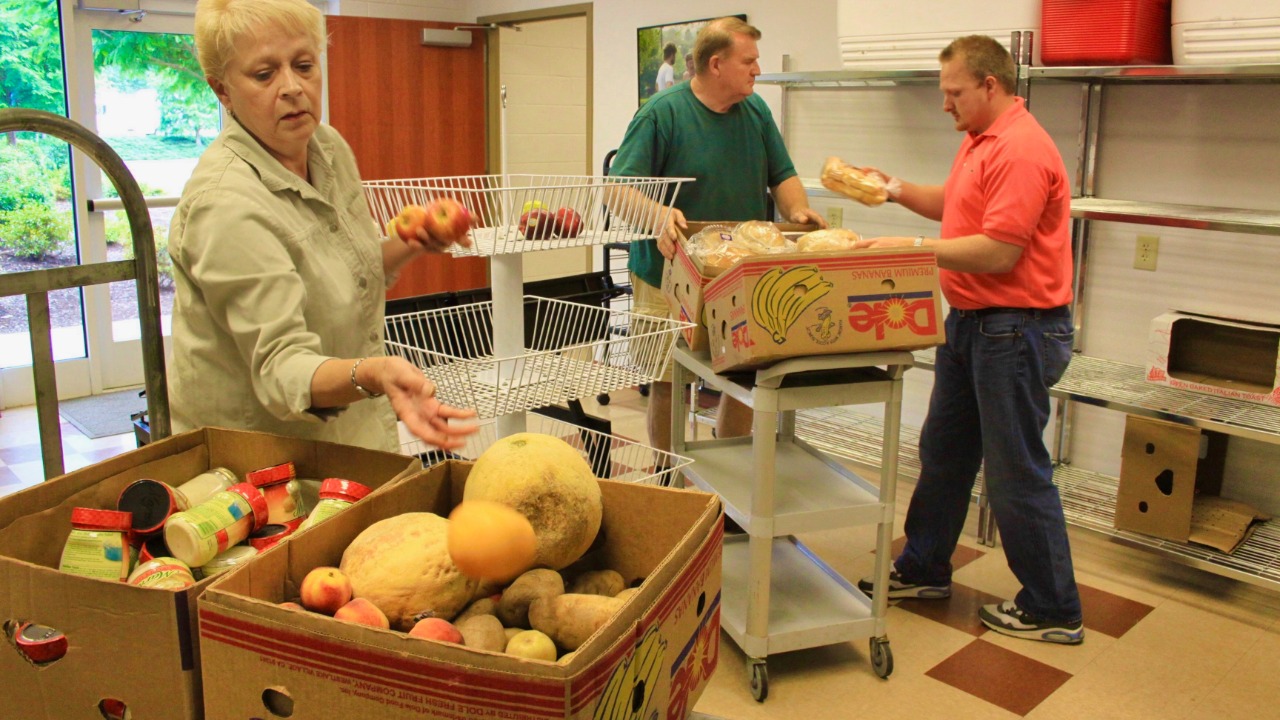
Even the best stocked warehouse cannot move food without people to sort, pack and distribute it, which is why volunteering has become as critical as fundraising. One regional organization’s shutdown response page urges neighbors to Get Involved and Volunteer, explicitly asking people to Support their local shelf and Food programs during this time of high need. That call is echoed at the neighborhood level, where community members in one Chicago area forum urge each other to “Volunteer at a food pantry – they will be getting busier,” a sentiment captured in a Comments Section thread about looming SNAP losses.
The work itself ranges from straightforward to physically demanding, but it is almost always social and concrete. At a Kids’ Day event in Raleigh, volunteers are told that While assisting the food bank they will be sorting donations from Harris Teeter and cleaning and bagging Capri Sun, among other tasks. In Atlanta, a program known as Farmers’ Gratitude Grille describes Volunteer responsibilities that range from sorting and repacking donated food items to growing fresh, healthy food in community gardens that serve the community on a daily basis. I find that specificity helpful, because it shows that there is a role for almost everyone, whether you prefer logistics, gardening or direct service.
Fundraising, not just food drives
Traditional food drives still matter, but many food banks are nudging supporters toward fundraising that can be more flexible and efficient. One statewide organization in New Jersey invites people to Host a fundraising event, encouraging them to go solo or gather friends, family and colleagues to raise both food and funds for neighbors in need. The same call to action stresses that every dollar raised helps advance food security and that supporters do not need to know where to start, because staff can help them design events that fit their networks.
Virtual tools are making that easier. In Pennsylvania, a county level organization promotes a digital option with the promise of “No heavy lifting,” explaining that supporters can Set up a virtual fundraiser in minutes, allowing the Food Bank to purchase and distribute more food directly to the community instead of spending staff time sorting donations. National coverage of food banks facing crushing demand underscores that with resources stretched thin, donors should prioritize infrastructure over one time gestures, and that one way to give effectively is to support technology, trucks and storage rather than just sorting donations, a strategy laid out in advice on How to give effectively. I read that as an invitation to think bigger: a well run virtual drive or recurring donation can be as important as a holiday box of canned goods.
How to plug in locally when SNAP is cut
When SNAP benefits are reduced or delayed, the impact is intensely local, and so are many of the most effective responses. In one neighborhood discussion about looming SNAP losses, residents urge each other to donate to food banks, volunteer at pantries and even buy extra groceries for mutual aid fridges, arguing that shopping at a bigger store with lower prices would also help stretch limited dollars, a set of ideas captured in a how to help thread. That kind of hyperlocal coordination, where neighbors share tips on which pantries have evening hours or which churches host weekly meals, can make the difference between a family going hungry and getting through the month.
State and regional food banks are also offering clear playbooks for individuals who want to respond to policy driven shocks. One Midwestern organization’s shutdown response page urges people to Support your neighbors by volunteering, donating and spreading the word about available resources, emphasizing that food shelves are busier than ever during federal disruptions. Another city level guide on how to donate to a food bank walks through options from online giving to workplace campaigns, reminding readers that even small recurring gifts can stabilize operations when demand spikes, a point made in a piece on How to donate. I see a pattern here: when federal programs wobble, local action becomes the first and fastest line of defense.
Beyond charity: advocacy to fix the system
As important as donations and volunteering are, they cannot substitute for a functional public safety net, which is why many food banks are leaning into advocacy. In Rhode Island, for example, a statewide organization urges supporters to Advocate for Policy Change by backing policies that increase access to affordable housing and healthcare while expanding food assistance programs like SNAP, and explicitly calls on residents to Support those changes. That framing treats hunger not as an inevitable charity problem but as a policy choice that can be reversed.
Other organizations are formalizing that work. In central New York, The Food Bank explicitly states that it actively works to influence policies that affect nutrition and anti hunger programs, engaging lawmakers and community partners to address the root causes of food insecurity and promote long term change. Academic research on the rise of food banks notes that a statewide food bank has argued for engaging the whole community to develop innovative strategies that address those root causes, a perspective detailed in a spatially specific assessment of need. For donors, that means one more way to help: sign up for action alerts, call legislators when asked and treat SNAP and related programs as core infrastructure, not optional extras.
More From TheDailyOverview
- Tennessee loses $2.6B megafactory and faces major layoffs
- Retired But Want To Work? Try These 18 Jobs for Seniors That Pay Weekly
- What to do with your pennies after the U.S. stops minting them
- Home Depot CEO warns of a troubling customer trend in stores

Cole Whitaker focuses on the fundamentals of money management, helping readers make smarter decisions around income, spending, saving, and long-term financial stability. His writing emphasizes clarity, discipline, and practical systems that work in real life. At The Daily Overview, Cole breaks down personal finance topics into straightforward guidance readers can apply immediately.
