
Ford Motor Company has announced a significant hit to its profit margins, citing a $2 billion impact from tariffs. The automaker is grappling with increasing costs and economic pressures, raising concerns about its financial stability and future strategic decisions. As global trade tensions rise, Ford’s announcement underscores the challenges automakers face in maintaining profitability amidst shifting economic landscapes.
The Impact of Tariffs on Ford’s Bottom Line
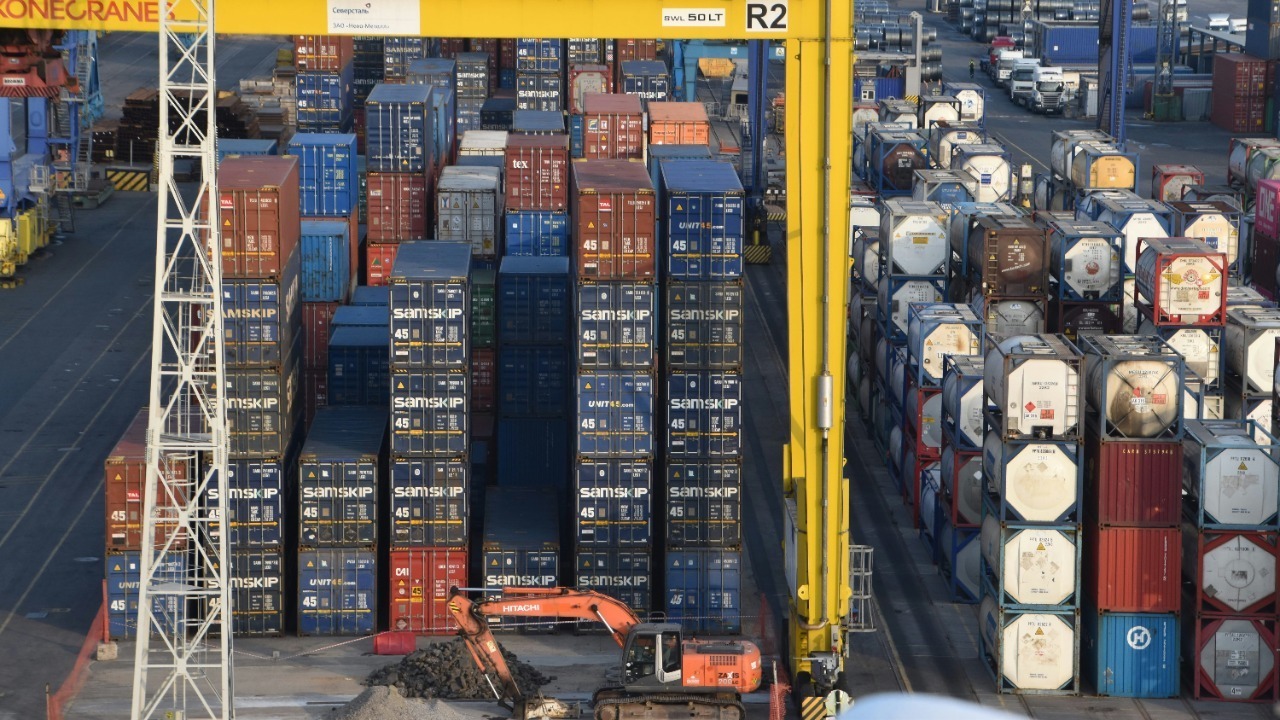
Ford’s announcement of a $2 billion tariff hit highlights the substantial financial implications of ongoing trade disputes. Specifically, the tariffs imposed on steel and aluminum imports have increased production costs for the auto giant, directly impacting its profit margins. These tariffs have added pressure to an already competitive automotive market, where maintaining cost efficiency is crucial for survival.
Historically, tariffs have played a significant role in shaping the auto industry. During the 1980s, similar trade measures impacted U.S. automakers, but today’s globalized supply chains amplify the effects. Unlike previous decades, the modern auto industry relies heavily on international parts and materials, increasing vulnerability to trade policy shifts. The current situation reflects a more interconnected market where tariffs can have a far-reaching impact, affecting everything from sourcing raw materials to final production costs.
Analyzing the regions and parts most affected by these tariffs, it’s clear that key components sourced from overseas are under particular strain. For instance, the steel and aluminum used in manufacturing vehicles like the Ford F-150 or the Explorer SUV are now more expensive due to the tariffs. This increase in material costs inevitably leads to higher retail prices, potentially dampening consumer demand and affecting sales volumes in critical markets.
Ford’s Financial Performance and Future Projections

Ford’s financial performance has been under scrutiny following its recent earnings reports. While the company has managed to maintain a steady revenue stream, the tariff impacts have altered its profit projections. The increased costs are squeezing profit margins, leading analysts to adjust their forecasts for Ford’s future financial health.
Financial analysts have expressed concerns about Ford’s profit warnings, noting that the automaker may need to reassess its strategic priorities. Some experts suggest that Ford could explore more aggressive cost-cutting measures or seek alternative supply chain solutions to mitigate the impact of tariffs. Others recommend that Ford might benefit from diversifying its product offerings or expanding into emerging markets to offset losses in more tariff-sensitive regions.
In response to these challenges, Ford is likely to implement strategic adjustments aimed at reducing operational costs. These might include workforce reductions, renegotiation of supplier contracts, or even operational realignments that focus on more profitable segments. As the company navigates these turbulent waters, careful planning and execution of its strategies will be crucial in maintaining its competitive edge.
Global Trade Tensions and Their Ripple Effects

The current global trade tensions between the U.S. and other major economies are creating a complex environment for automakers. The broader trade issues have led to uncertainties in global supply chains, as companies face increased costs and logistical challenges. These tensions are not only affecting raw material prices but also influencing broader economic conditions that could impact consumer purchasing power.
The auto industry is particularly sensitive to these trade disputes due to its reliance on complex international supply chains. Any disruption or increase in costs can have a cascading effect, leading to higher production costs and potentially elevated prices for consumers. This environment necessitates a proactive approach from automakers, who must now balance cost management with maintaining quality and competitive pricing.
In response, the auto industry has ramped up its lobbying efforts, urging governments to reconsider trade policies that could harm economic growth. Industry groups are advocating for policies that promote free trade and reduce barriers, which they argue will benefit the global economy and the auto sector. These efforts highlight the need for a collaborative approach in resolving trade disputes to ensure the stability and growth of the automotive industry.
Ford’s Response and Strategic Planning

In light of the tariff impacts, Ford has issued official statements outlining its strategies to address the financial challenges. The company is focusing on enhancing operational efficiencies and exploring new market opportunities. Ford aims to leverage technological advancements and innovation to reduce its reliance on markets heavily impacted by tariffs.
Looking ahead, Ford’s long-term strategic planning involves diversifying its product portfolio and investing in research and development. By embracing innovation, the automaker hopes to create new revenue streams and reduce dependency on traditional markets. Ford is also exploring partnerships and collaborations that could provide a competitive advantage in emerging sectors, such as electric and autonomous vehicles.
Innovation remains a cornerstone of Ford’s strategy, with plans to expand its presence in the electric vehicle market. By investing in cutting-edge technologies and sustainable practices, the company aims to stay ahead of industry trends and consumer preferences. This forward-thinking approach could help Ford mitigate the negative impacts of tariffs and position itself as a leader in the evolving automotive landscape.
Broader Economic Implications
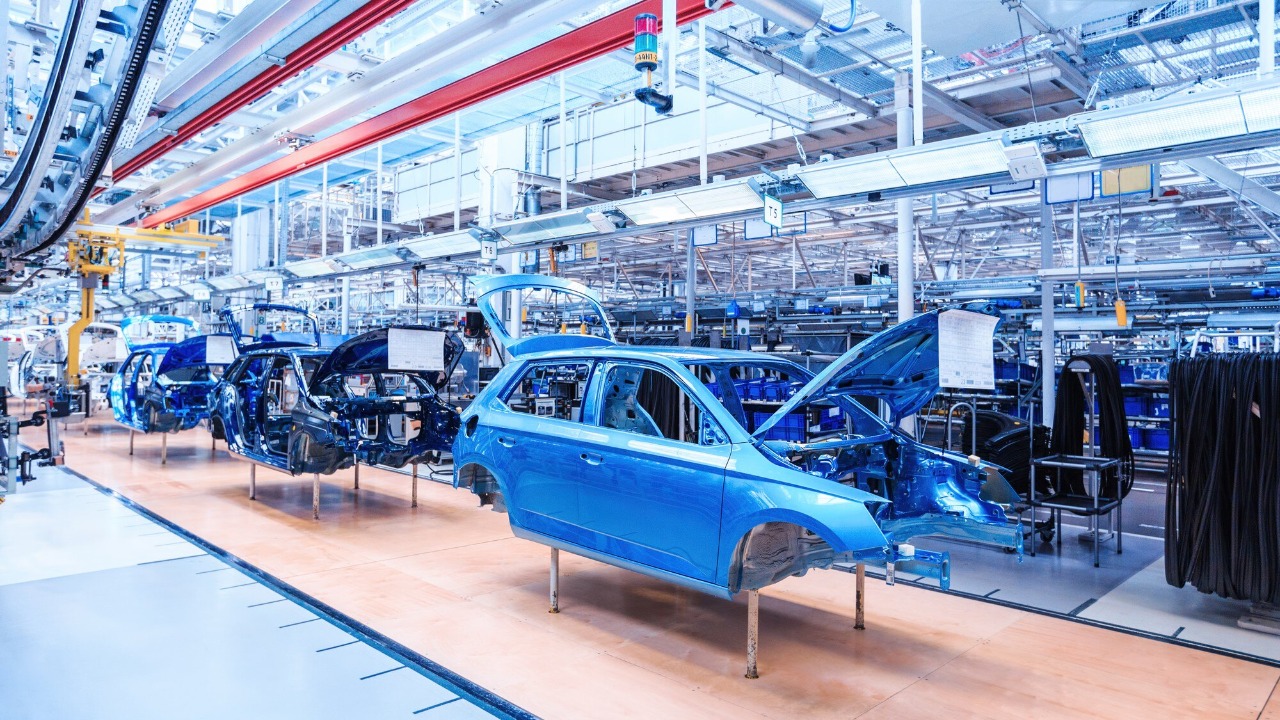
The imposition of tariffs has broader economic implications, particularly for U.S. manufacturing and jobs. The increased costs of raw materials and production could lead to downsizing and reduced investment in domestic manufacturing facilities. This scenario poses a risk to employment levels within the auto sector, potentially affecting thousands of workers across the country.
For consumers, the ripple effects of these tariffs may result in higher vehicle prices, influencing purchasing decisions and demand. As production costs rise, automakers might be forced to pass on these costs to consumers, leading to a potential decrease in sales volumes. This situation underscores the importance of finding a balance between maintaining profitability and ensuring affordability for consumers.
To alleviate the financial burden on companies like Ford, policymakers could consider implementing measures that promote trade stability and reduce barriers. Encouraging international cooperation and dialogue could help resolve trade disputes, fostering a more favorable environment for businesses. Additionally, supporting domestic industries through incentives and investment in technology could enhance competitiveness and drive economic growth.

Grant Mercer covers market dynamics, business trends, and the economic forces driving growth across industries. His analysis connects macro movements with real-world implications for investors, entrepreneurs, and professionals. Through his work at The Daily Overview, Grant helps readers understand how markets function and where opportunities may emerge.

