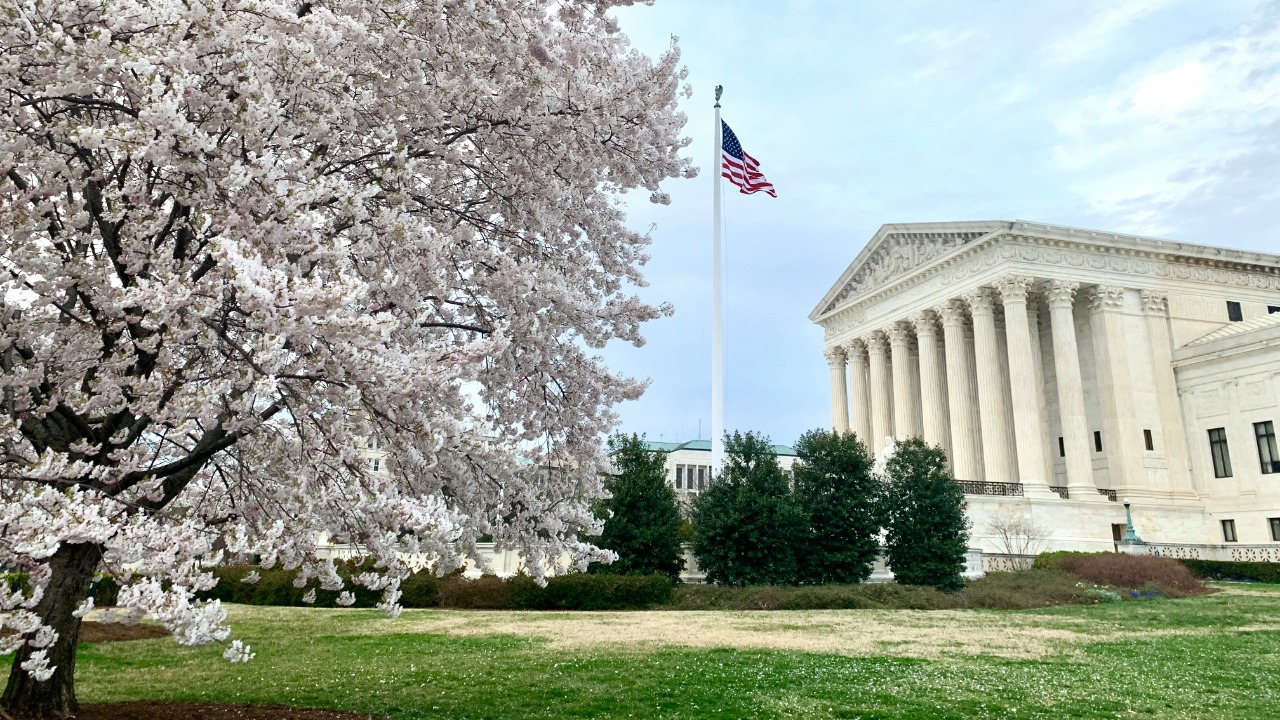
The Supreme Court struck down most of the tariffs President Trump imposed under his reciprocal tariff program, a ruling that could lower prices on a wide range of imported goods, from clothing and coffee to electronics and household items. The decision invalidated duties created by Executive Order 14257, which had used emergency economic powers to raise import costs on products from dozens of countries. But the potential price relief may be limited: according to the Associated Press, Trump vowed new levies, including a 10% global tariff under separate legal authority, setting up a prolonged fight over trade policy that could affect consumer prices for months.
What the Court Actually Struck Down
The tariffs at the center of the case originated with Executive Order 14257, issued on April 2, 2025. That order, titled “Regulating Imports With a Reciprocal Tariff To Rectify Trade Practices That Contribute to Large and Persistent Annual United States Goods Trade Deficits,” invoked the International Emergency Economic Powers Act to declare a national emergency over the U.S. trade deficit. It then modified the Harmonized Tariff Schedule of the United States to impose steep new duties on imports from countries running surpluses with the U.S. The legal theory was aggressive: IEEPA, codified at 50 U.S.C. 1701, grants the president broad emergency powers over international economic transactions, but courts had never endorsed its use to set across-the-board import tariffs.
The Supreme Court concluded that this use of IEEPA exceeded presidential authority. The ruling did not, however, wipe out every trade barrier the administration had erected. Tariffs imposed under other statutes remain intact, according to reporting by the Washington Post. That distinction matters because the administration still has tools under laws like Section 301 and the Trade Expansion Act. The practical result is a split: the broadest and most sweeping layer of duties is gone, but targeted tariffs on specific countries and product categories survive under separate legal foundations. For importers and retailers, that means a complex patchwork of rules rather than a clean return to pre-EO 14257 trade conditions.
Clothing Leads the List of Likely Price Drops
Apparel is where consumers stand to notice the most immediate relief. Even before the reciprocal tariff program, clothing already carried some of the heaviest import duties in the U.S. tariff code. Congressional Research Service data shows that HTSUS chapters 61 and 62, which cover knitted and woven garments, ranked among the 10 highest average duty-rate chapters in 2023. When the reciprocal tariffs stacked on top of those already elevated rates, the combined burden pushed retail prices sharply higher on imported shirts, jackets, dresses, and other everyday clothing. Brands that rely heavily on overseas manufacturing had limited room to absorb the extra costs, so much of the impact filtered through to store shelves.
With the reciprocal layer now invalidated, importers bringing in garments from major apparel-exporting nations face a meaningfully lower total duty rate. The struck-down tariffs had put upward pressure on prices for a wide variety of goods made in other countries, and clothing was among the hardest-hit categories because of its pre-existing tariff structure. Coffee, consumer electronics, and other frequently imported products also faced the same reciprocal surcharges, meaning their landed costs should decline as well, though the exact savings will depend on how quickly retailers pass lower import costs through to shelf prices. Some chains may move quickly to cut prices to regain market share, while others could hold back to rebuild margins squeezed during the tariff period.
The Refund Question for Duties Already Paid
Beyond future price relief, the ruling opens a thorny question: what happens to the tariff revenue already collected? Importers who paid reciprocal duties over the past several months may be entitled to refunds, but the process is neither automatic nor fast. A Congressional Research Service analysis of possible IEEPA-related refunds explains that Customs and Border Protection handles duty collection through a process called liquidation, and that voluntary reliquidation, the mechanism by which CBP could reverse assessed duties, operates within a 90-day window. After that window closes, importers must file formal protests under 19 U.S.C. 1514 and 1515, which can drag the timeline out considerably. For companies that move high volumes of goods, each shipment can represent a separate entry and a separate potential claim.
The practical upshot is that refund disputes could take a long time to resolve, and there is no public data yet on the volume of refund claims CBP expects. Small businesses that absorbed higher costs on imported inventory face the most acute pressure: they paid the duties in real time but may not have the legal resources to pursue complex customs protests. Larger retailers are better positioned to hire trade counsel, audit their entries, and press for reliquidation where deadlines allow. The ruling raises these refund questions directly, but the mechanics of getting money back remain uncertain, and the administration has shown no eagerness to expedite the process. Until clearer guidance emerges, many importers will have to decide whether the potential recovery justifies the expense and delay of challenging past assessments.
Trump’s 10% Replacement Tariff and What Survives
The administration moved within hours of the ruling to reassert trade barriers. Trump vowed new levies, including a 10% global tariff under separate statutory authority, signaling that the White House views the Court’s decision as a procedural obstacle rather than a policy defeat. The new tariff is lower than many of the reciprocal rates it replaces, but it still adds cost to virtually every imported product entering the United States. For consumers, this means the price relief from the Court’s ruling will be partially offset, not eliminated entirely but reduced. Importers that had just begun recalculating their landed costs after the decision now have to rework their pricing models again to account for the new blanket duty.
Separately, tariffs targeting specific bilateral relationships also remain in force. Separate from the reciprocal tariff program, trade measures affecting imports from Canada followed their own timeline of issuance, pause, imposition, and suspension, and some were grounded in authorities that the Court did not directly address. Other country- and product-specific tariffs imposed under Section 301 or national security provisions of the Trade Expansion Act also survive the ruling. The result is a layered system in which the broad reciprocal tariffs have been stripped away, a new 10% global duty sits on top of the remaining baseline, and a series of narrower measures continues to apply to particular partners and sectors. For businesses planning investments in supply chains, that legal and policy volatility adds another layer of risk to decisions about where to source and how much inventory to hold.
What It All Means for Consumers and the Economy
For households, the net effect of the Court’s decision and the replacement tariff will be a tug-of-war between lower legal ceilings on some duties and the new across-the-board 10% charge. Categories that were hit hardest by the reciprocal program, such as apparel and certain consumer goods, should still see some easing from their peak tariff burdens, especially where pre-existing rates were high and the now-invalidated surcharges were steep. At the same time, products that previously faced little or no duty may now become more expensive under the new global tariff, blunting some of the overall relief. Economists will be watching inflation data over the coming months to see whether the rollback of EO 14257’s tariffs shows up in slower price growth, or whether the new levy simply reshuffles where and how consumers pay.
In the longer term, the ruling narrows how far presidents can stretch emergency economic powers to reshape trade policy on their own. By rejecting the use of IEEPA as a catchall tool for broad tariff hikes tied to the trade deficit, the Court has pushed some of the debate back toward Congress, which holds constitutional authority over tariffs and trade. Yet the administration’s rapid pivot to a different legal basis for the 10% global duty underscores how many other levers remain available in existing statutes. The next phase of the fight will likely play out in a mix of court challenges to the new tariff, legislative skirmishes over trade authority, and negotiations with trading partners seeking exemptions or rollbacks. For now, consumers can expect some modest relief in specific product categories, but not a wholesale return to the pre-tariff era.
More From The Daily Overview
*This article was researched with the help of AI, with human editors creating the final content.

Grant Mercer covers market dynamics, business trends, and the economic forces driving growth across industries. His analysis connects macro movements with real-world implications for investors, entrepreneurs, and professionals. Through his work at The Daily Overview, Grant helps readers understand how markets function and where opportunities may emerge.

