Gasoline has quietly become one of the brightest spots in Americans’ household budgets, with pump prices slipping below $2 a gallon in parts of the country and easing the sting of everything from rent to groceries. President Donald Trump is seizing on that shift, arguing that the slide in fuel costs is “bigger than a tax cut” for drivers who fill up week after week.
The political spin is predictable, but the underlying question is not: with gas under $2 in nine states and national averages drifting lower, how much relief is really reaching wallets, and how durable is it likely to be?
Where gas is under $2, and how to tell if you are in the club
The headline figure is eye catching: regular gasoline has dropped below $2 per gallon at stations across nine states, turning what used to feel like a rare promotion into an everyday sight for many drivers. Earlier in the winter, the White House highlighted that some locations had already hit the $2 mark in four states, and subsequent price declines have broadened that map so that entire regions of the South and Midwest now see sub‑$2 signs on their commute, even if not every station participates in the bargain. That pattern lines up with broader data showing that in the second week of Jan the national average sat at $2.78 per gallon, down from $3.11 a year earlier, a shift that helps explain why some local markets have room to fall much further than the country as a whole.
To understand whether your own neighborhood is part of this low‑price club, it is not enough to look at a single station marquee on your way to work. Regional averages can differ sharply from block to block, which is why tools that track daily pump prices, such as the national dashboards maintained by AAA, have become essential for anyone trying to gauge how far the current downturn has spread. Those averages confirm that while nine states now feature stations selling regular for less than $2, the national picture remains more mixed, with coastal states and dense metro areas still paying a noticeable premium over the cheapest rural markets.
Why prices are falling: production, maintenance and global supply
The drop in prices is not happening in a vacuum, and I find it useful to start with the most basic driver: supply. U.S. refiners have recently completed much of their fall maintenance, which had temporarily constrained output, and as those facilities returned to service, fuel production ramped up into a market that was no longer facing peak summer demand. At the same time, global oil markets have been shaped by increased production from OPEC+ nations and steady U.S. output, a combination that has kept crude prices in check and filtered through to cheaper gasoline at the pump in the states now seeing sub‑$2 fuel.
Energy forecasters expect that dynamic to persist, at least in the near term. In its latest outlook, the federal energy agency projected that on a nominal basis, the average retail gasoline price in 2026 will fall by about 20 cents per gallon, a decrease it described as comparable to the price drops recorded in 2024 and 2025, with the largest relief expected in the Gulf Coast and followed by the Midwest. That forecast, laid out in detail in the agency’s Jan short‑term report on lower gasoline prices, helps explain why refiners and retailers in those regions have been quickest to post numbers that start with a “1” rather than a “3”.
Trump’s “bigger than a tax cut” claim, and what the numbers show
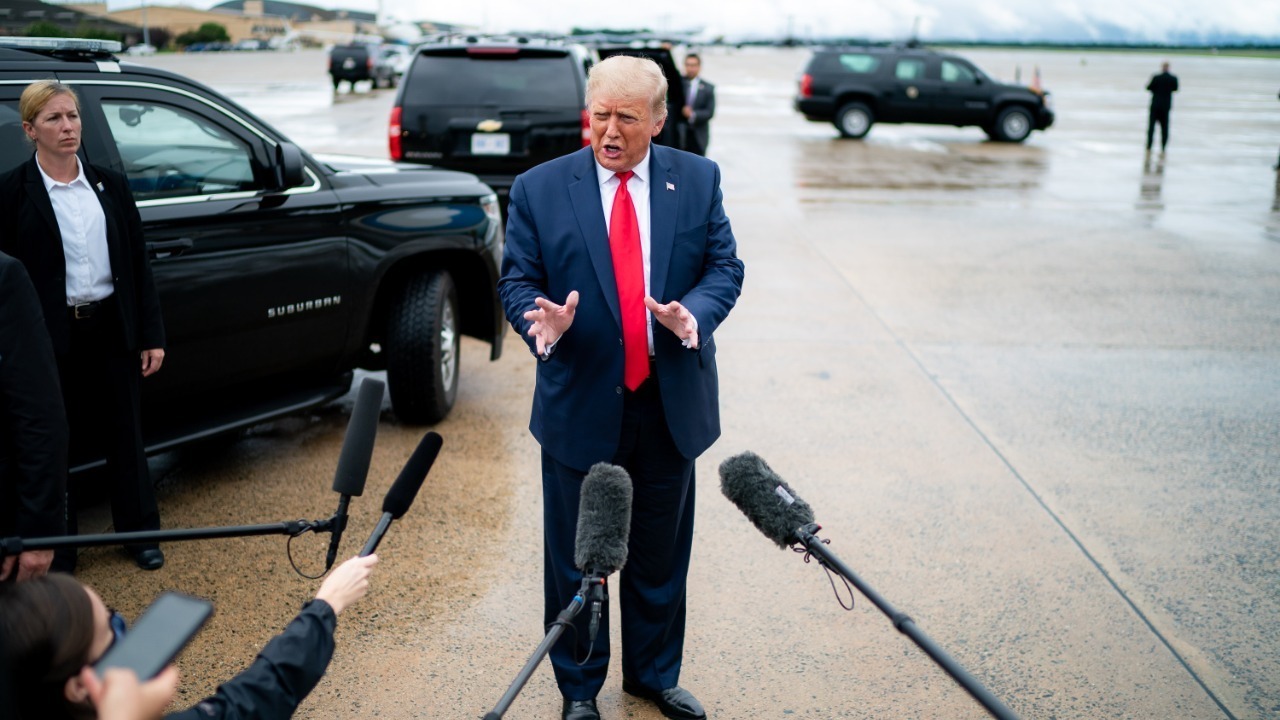
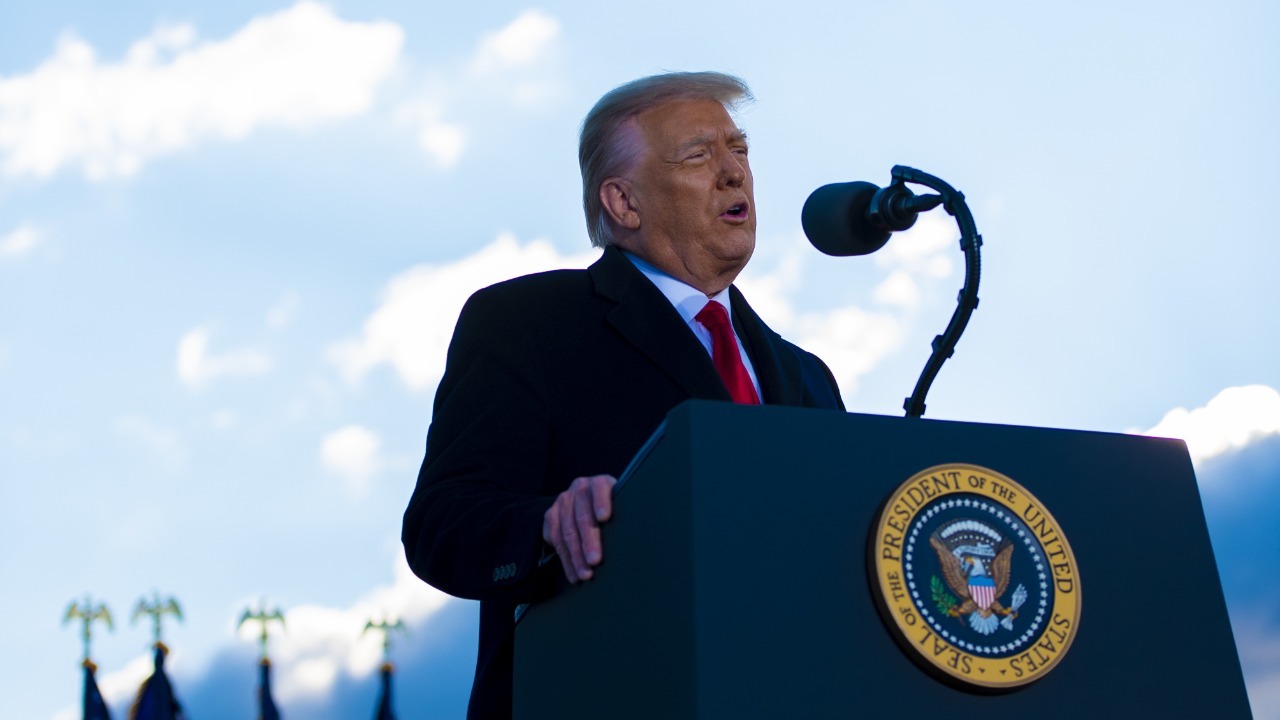
President Trump has been eager to link this price slide to his own energy agenda, and he has done so in striking terms. During a press conference in Tokyo, covered by Fox News, Trump told reporters that Americans are “going to see $2 gasoline pretty soon,” and went further by calling the resulting savings “bigger than a tax cut” for households that drive frequently. He has repeated that theme in domestic remarks, saying that gasoline is “at $1.99 in many states,” a figure that resonates with drivers in the nine states where stations are now posting prices below $2 per gallon.
Independent data offers a partial reality check. In the second week of Jan the national average price per gallon was $2.78, compared with $3.11 in Jan 2025, according to the most recent federal data cited in a detailed $2.78 analysis. Another review of Trump’s speech on his first year in office noted his claim that gasoline is “at $1.99 in many states,” and confirmed that while some locations do show that price, the national average remains higher, even as it trends downward. That same fact‑check underscored that Gasoline prices are still shaped by global oil markets as much as by domestic policy, a nuance that tends to get lost when Trump, Americans and their fuel bills are folded into a single political talking point in $1.99 soundbites.
Policy, production and how much credit Washington can really claim
Trump’s argument rests on more than rhetoric, because his administration has made record fossil fuel output a central bragging point. In an official fact sheet, the Department of Energy credits “RECORD‑LEVELS OF DOMESTIC OIL AND NATURAL GAS PRODUCTION” with lowering costs for American families, explicitly tying the president’s leadership to abundant supply and cheaper fuel. That document highlights how DOMESTIC OIL AND gas output has climbed to levels that keep costs low for American households, a claim that dovetails with the president’s broader promise to unleash drilling and reduce regulatory friction on producers who feed the nation’s refineries with crude.
Energy market specialists, however, caution against drawing a straight line from any single administration to the price on the corner sign. One veteran analyst, Dan Pickering, the chief investment officer at Pickering En, has pointed out that oil prices are falling for a mix of reasons, including global supply decisions and demand trends, and has estimated that lower fuel costs could collectively save U.S. consumers about $11 billion next year. His assessment, laid out in a broader discussion of Why oil prices are falling and what it means for the economy, suggests that while policy choices in Washington matter, they operate alongside decisions by OPEC+ and private producers, a point that tempers the idea that Trump alone delivered the current relief even as his supporters cite that However large savings figure.
How much drivers actually save when gas dips below $2
To evaluate Trump’s “bigger than a tax cut” line, I find it useful to translate cents per gallon into annual dollars. Consider a commuter who drives a 2018 Toyota Camry about 15,000 miles a year at 30 miles per gallon, which works out to roughly 500 gallons of fuel. If that driver paid last year’s national average of $3.11 per gallon and now pays $2.78, the annual savings would be about $165, a meaningful but modest boost. For drivers in those nine states where stations are posting prices under $2, the gap can be larger: dropping from $3.11 to $1.99, the figure Trump likes to cite, would save roughly $560 a year for the same mileage, which starts to look more like a small tax rebate, especially for families juggling car payments, rent and childcare.
More From TheDailyOverview
*This article was researched with the help of AI, with human editors creating the final content.

Grant Mercer covers market dynamics, business trends, and the economic forces driving growth across industries. His analysis connects macro movements with real-world implications for investors, entrepreneurs, and professionals. Through his work at The Daily Overview, Grant helps readers understand how markets function and where opportunities may emerge.