
In a bold strategic shift, GE Appliances is relocating part of its manufacturing operations from China and Mexico to the United States, as part of a $3 billion investment plan focused on enhancing domestic production capabilities. This move is poised to significantly impact the company, the U.S. manufacturing landscape, and the global supply chain network.
The Rationale Behind the Move

Economic and political factors have played a crucial role in influencing GE Appliances’ decision to bring some of its manufacturing operations back to the United States. The ongoing trade tensions and tariffs imposed on goods imported from China have increased the costs of doing business overseas. Additionally, there has been increasing political pressure for American companies to prioritize domestic production. These factors combined have made relocating manufacturing operations to the U.S. a more attractive option for GE Appliances. The move aligns with recent trends where companies are reassessing their global footprints in response to evolving trade policies.
Another significant reason for GE Appliances’ decision is the growing need for supply chain resilience. Recent global disruptions have highlighted the risks of over-reliance on international suppliers. By shifting more of its production to the U.S., GE Appliances aims to bolster its supply chain security and reduce vulnerabilities. This move allows the company to respond more swiftly to changes in demand and mitigate potential disruptions that could arise from geopolitical tensions or global crises.
The impact of this transition on domestic job creation cannot be understated. By relocating manufacturing operations to the U.S., GE Appliances is expected to create a substantial number of new jobs, providing a much-needed boost to local economies. This initiative could lead to the revitalization of communities that have been adversely affected by the decline of manufacturing jobs in recent decades. It is anticipated that this shift will contribute to the revival of the American manufacturing sector and create new opportunities for skilled workers across the country.
Investment Details and Implementation

The $3 billion investment plan unveiled by GE Appliances is set to be distributed across various U.S. facilities and operations. This includes upgrading existing plants, expanding current production lines, and building new facilities in key locations. A significant portion of the investment will be directed towards the company’s flagship factory in Louisville, Kentucky, which will see the introduction of new technologies and processes to enhance efficiency and output. Other states set to benefit include Georgia, Tennessee, and Alabama, each receiving targeted investments to bolster local manufacturing capabilities.
The transition from overseas production to domestic manufacturing is expected to occur in stages. GE Appliances has outlined a comprehensive timeline to ensure the smooth relocation and expansion of operations within the U.S. The process is anticipated to span several years, with initial phases focused on upgrading existing infrastructure and training the workforce to handle new manufacturing technologies. As the transition progresses, new production lines will be established, and further investments will be made to support the growing demand for locally produced appliances.
Technological advancements and innovations are at the core of GE Appliances’ investment plan. The company is committed to incorporating cutting-edge technology into its manufacturing processes, enhancing both productivity and product quality. This includes the integration of automation and artificial intelligence to streamline operations and reduce production costs. By leveraging these innovations, GE Appliances aims to set new benchmarks for efficiency and sustainability in the manufacturing industry.
Impact on U.S. Manufacturing and Economy
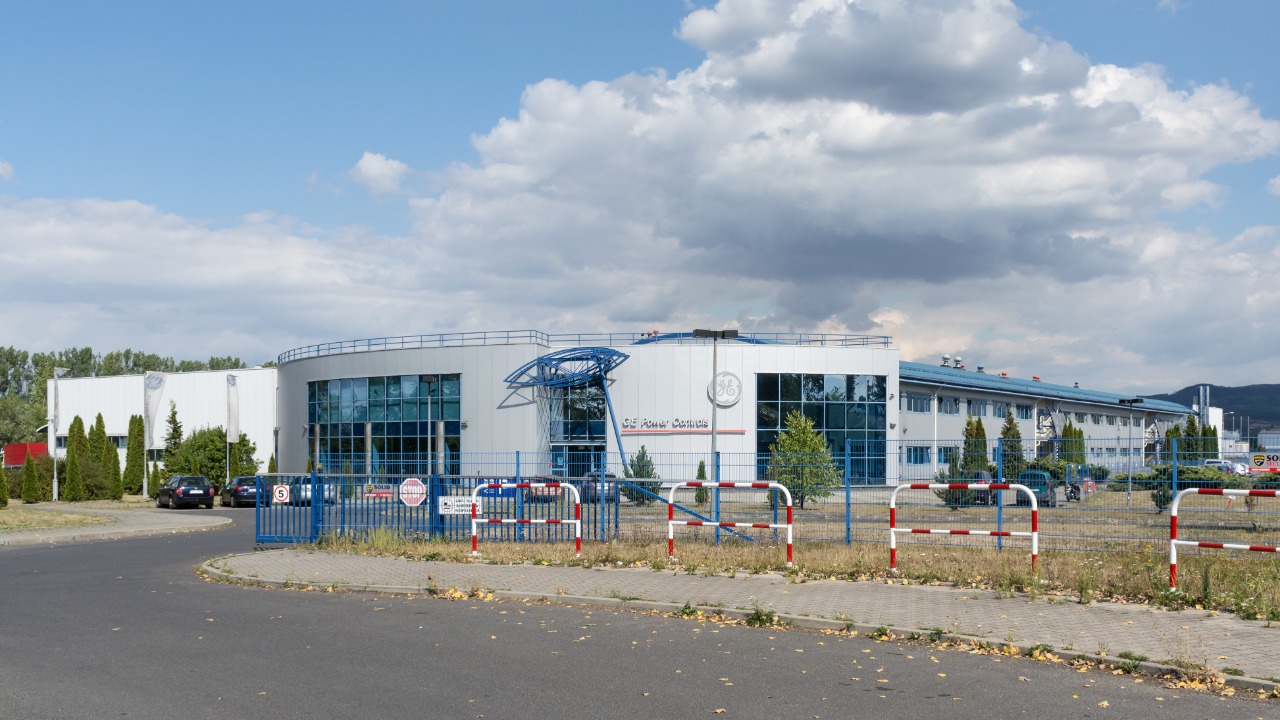
The relocation of GE Appliances’ manufacturing operations is expected to provide a significant boost to local economies, particularly in the states where the company will expand its presence. Communities in Kentucky, Georgia, Tennessee, and Alabama stand to benefit from increased economic activity, job creation, and a revitalized manufacturing sector. This influx of investment will likely stimulate local businesses and contribute to the overall economic growth of these regions.
GE Appliances’ decision to move production to the U.S. could also have a ripple effect across the American manufacturing sector. As a major player in the industry, GE’s commitment to domestic production may inspire other companies to follow suit, leading to a broader resurgence of manufacturing jobs in the U.S. This trend could enhance the competitiveness of American-made products in the global market and foster innovation within the industry.
The long-term economic outlook for the U.S. is promising, as increased domestic manufacturing capabilities are likely to drive competitiveness and innovation. By investing in the latest technologies and processes, GE Appliances is positioning itself to remain at the forefront of the industry. This move aligns with broader efforts to strengthen the American manufacturing sector and ensure its resilience in a rapidly changing global landscape.
Challenges and Criticisms

Despite the potential benefits, GE Appliances may face several logistical and operational challenges in transitioning production to the U.S. Supply chain adjustments will be necessary to accommodate the shift, and the company must ensure that its workforce is adequately trained to handle new manufacturing technologies. Additionally, the relocation process may encounter unforeseen hurdles that could disrupt timelines and budgets.
Environmental and regulatory concerns also pose challenges for GE Appliances as it increases domestic manufacturing. The expansion could lead to heightened scrutiny regarding the environmental impact of new facilities and operations. Compliance with local and federal regulations will be crucial to avoid potential setbacks and maintain public support for the initiative. Balancing the need for growth with environmental responsibility will be a critical consideration for GE Appliances moving forward.
There may also be criticisms and opposition from stakeholders regarding the costs and efficiency of the transition. Some may argue that the move could increase production expenses, potentially affecting the company’s competitiveness in the global market. Additionally, concerns about the impact on international suppliers and the broader global supply chain could lead to opposition from various quarters.
Future Prospects and Strategic Vision

GE Appliances’ strategic vision is centered around strengthening its domestic manufacturing capabilities and ensuring long-term sustainability. This move aligns with the company’s broader goals of enhancing operational efficiency and resilience. By investing in cutting-edge technology and expanding its U.S. presence, GE Appliances is positioning itself for sustainable growth in the years to come.
The decision to shift manufacturing operations to the U.S. could potentially influence industry-wide trends in global manufacturing. As companies reassess their supply chain strategies and adapt to changing economic and political landscapes, GE Appliances’ move may serve as a catalyst for similar decisions across the industry. This shift could lead to a reevaluation of global manufacturing strategies and drive innovation in production processes.
In the long term, GE Appliances is committed to ensuring the sustainability and growth of its U.S. operations. By leveraging advanced technologies and fostering a skilled workforce, the company aims to maintain its competitive edge in the global market. This strategic investment in domestic manufacturing will likely contribute to GE Appliances’ continued success and growth in the future.

Grant Mercer covers market dynamics, business trends, and the economic forces driving growth across industries. His analysis connects macro movements with real-world implications for investors, entrepreneurs, and professionals. Through his work at The Daily Overview, Grant helps readers understand how markets function and where opportunities may emerge.