
Generation X, born between 1965 and 1980, is confronting significant retirement anxiety as their savings struggle to keep up with inflation. According to a report from Allianz, this cohort is experiencing what has been termed “retirement bites” due to persistent economic pressures. Recent insights, including a GOBankingRates article, pinpoint the biggest financial regret for Gen X nearing retirement, while a Yahoo Finance piece explores the worst retirement mistakes via ChatGPT.
Gen X’s Unique Retirement Pressures

Gen X finds itself uniquely pressured as it navigates retirement planning, sandwiched between the larger Baby Boomer and Millennial generations. This group faces heightened financial strain due to career disruptions and significant economic shifts over the decades. According to USA Today, these challenges have compounded over time, leading to what is described as “retirement bites,” a term reflecting the financial pinch felt by many in this age group.
Allianz’s assessment highlights that Gen X is particularly anxious about retirement because their savings are not growing at a pace that matches inflation. This anxiety is exacerbated by the economic volatility experienced during their peak earning years, which has left many feeling unprepared for retirement. The Allianz report underscores the struggle of Gen X to accumulate sufficient savings, a challenge that is only intensified by rising living costs.
The theme of “retirement bites” is central to understanding the financial hurdles Gen X faces. Inflation has significantly eroded the purchasing power of their savings, making it difficult for them to maintain their desired standard of living in retirement. This issue is compounded by the fact that many in this generation have not been able to save as aggressively as they would have liked, due to various economic and personal factors.
Moreover, the financial landscape for Gen X has been shaped by several unique factors. Many in this generation entered the workforce during economic downturns, such as the early 1990s recession and the dot-com bubble burst, which affected their earning potential and savings capacity. Additionally, the transition from defined benefit pension plans to defined contribution plans, like 401(k)s, placed more responsibility on individuals to manage their retirement savings. This shift has left some Gen Xers feeling unprepared and uncertain about their financial futures. The Allianz report also notes that the rising costs of healthcare and education, coupled with the need to support aging parents and children, have further strained their financial resources.
The Role of Inflation in Retirement Shortfalls

Inflation is a primary driver of retirement insecurity for Gen X, as highlighted by Allianz. The report indicates that the savings of this generation are struggling to keep pace with inflation, which has been a persistent issue over the years. This struggle is a significant source of anxiety for those nearing retirement, as they worry about their ability to sustain themselves financially in the future.
USA Today further explores how inflation directly impacts Gen X’s retirement savings. The rising cost of living means that even those who have managed to save diligently may find their nest eggs insufficient. This financial pressure is a common theme among Gen Xers, who are increasingly concerned about outliving their savings.
The intersection of inflation and financial regrets is a critical area of concern for Gen X. According to GOBankingRates, many in this generation regret not having saved more aggressively or invested more wisely during their working years. This regret is compounded by the realization that inflation has eroded much of the value of their savings, leaving them feeling vulnerable as they approach retirement.
Inflation’s impact on retirement savings is not just a theoretical concern; it has real-world implications for Gen X. As the cost of essential goods and services rises, the purchasing power of fixed incomes diminishes, making it harder for retirees to maintain their standard of living. This is particularly concerning for those who have not adequately adjusted their investment strategies to account for inflation. The USA Today article highlights that many Gen Xers are now considering alternative investment options, such as real estate or inflation-protected securities, to hedge against inflation and protect their savings. Additionally, financial advisors recommend that Gen Xers regularly review and adjust their retirement plans to ensure they remain aligned with inflationary trends.
Identifying the Biggest Financial Regret

The biggest financial regret for Gen X, as they near retirement, is not having saved enough or invested more effectively during their prime earning years. This insight, highlighted by GOBankingRates, underscores a common theme of financial anxiety driven by inadequate savings growth. Many Gen Xers find themselves wishing they had started saving earlier or had been more aggressive in their investment strategies.
This regret is closely tied to broader experiences of retirement anxiety among Gen X. The Allianz report notes that the anxiety is largely due to the realization that their savings may not be sufficient to support them through retirement, especially in the face of rising inflation. This has led many to reassess their financial strategies and seek ways to bolster their retirement funds.
Real-world examples of this regret manifest in various ways. Some Gen Xers have had to delay retirement plans, while others are considering part-time work to supplement their income. The economic pressures described by USA Today illustrate the difficult choices many in this generation are facing as they attempt to secure their financial futures.
Another aspect of financial regret among Gen X is the missed opportunities for leveraging employer-sponsored retirement plans. Many in this generation did not take full advantage of employer matching contributions, which could have significantly boosted their retirement savings. The GOBankingRates article emphasizes the importance of maximizing these benefits, as they represent “free money” that can compound over time. Furthermore, some Gen Xers regret not seeking professional financial advice earlier in their careers, which could have provided them with strategies to optimize their savings and investment portfolios. As they approach retirement, many are now turning to financial planners to help them navigate the complexities of retirement planning and make up for lost time.
Common Retirement Mistakes and Lessons

According to insights from ChatGPT, as reported by Yahoo Finance, some of the worst retirement mistakes include not starting to save early enough, failing to diversify investments, and underestimating healthcare costs. These mistakes are particularly relevant to Gen X, who are already grappling with inflation-related savings struggles.
Linking these mistakes to Gen X’s financial challenges, the Allianz analysis highlights how avoiding such pitfalls could alleviate some of the “retirement bites” they experience. By understanding and addressing these common errors, Gen X can better prepare for the financial realities of retirement.
Avoiding these mistakes could significantly mitigate the financial pressures described by USA Today. For instance, diversifying investments and planning for healthcare costs can help ensure a more stable financial future, even in the face of inflation.
Strategies to Address Gen X Regrets
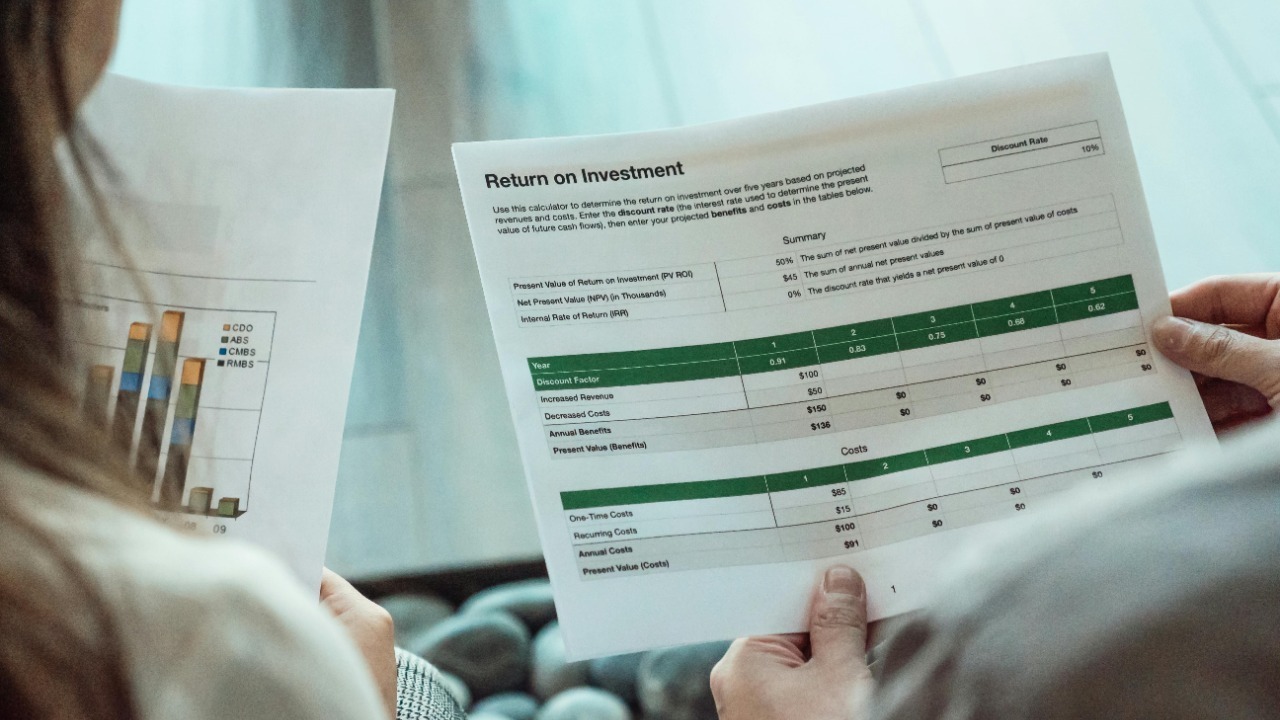
To address the biggest financial regret identified for Gen X nearing retirement, actionable steps include increasing savings rates, diversifying investment portfolios, and seeking professional financial advice. These strategies, informed by the GOBankingRates piece, can help Gen X better prepare for retirement despite the challenges posed by inflation.
Incorporating advice from ChatGPT on avoiding the worst retirement mistakes, as discussed in Yahoo Finance, can further aid Gen X in combating inflation’s impact. By focusing on long-term financial planning and making informed investment choices, Gen X can work towards a more secure retirement.
Tailored financial adjustments, based on Allianz’s observations of savings anxiety, include reassessing retirement goals and adjusting spending habits to align with current economic conditions. These steps can help Gen X navigate the financial challenges they face and work towards a more stable retirement.

Nathaniel Cross focuses on retirement planning, employer benefits, and long-term income security. His writing covers pensions, social programs, investment vehicles, and strategies designed to protect financial independence later in life. At The Daily Overview, Nathaniel provides practical insight to help readers plan with confidence and foresight.

