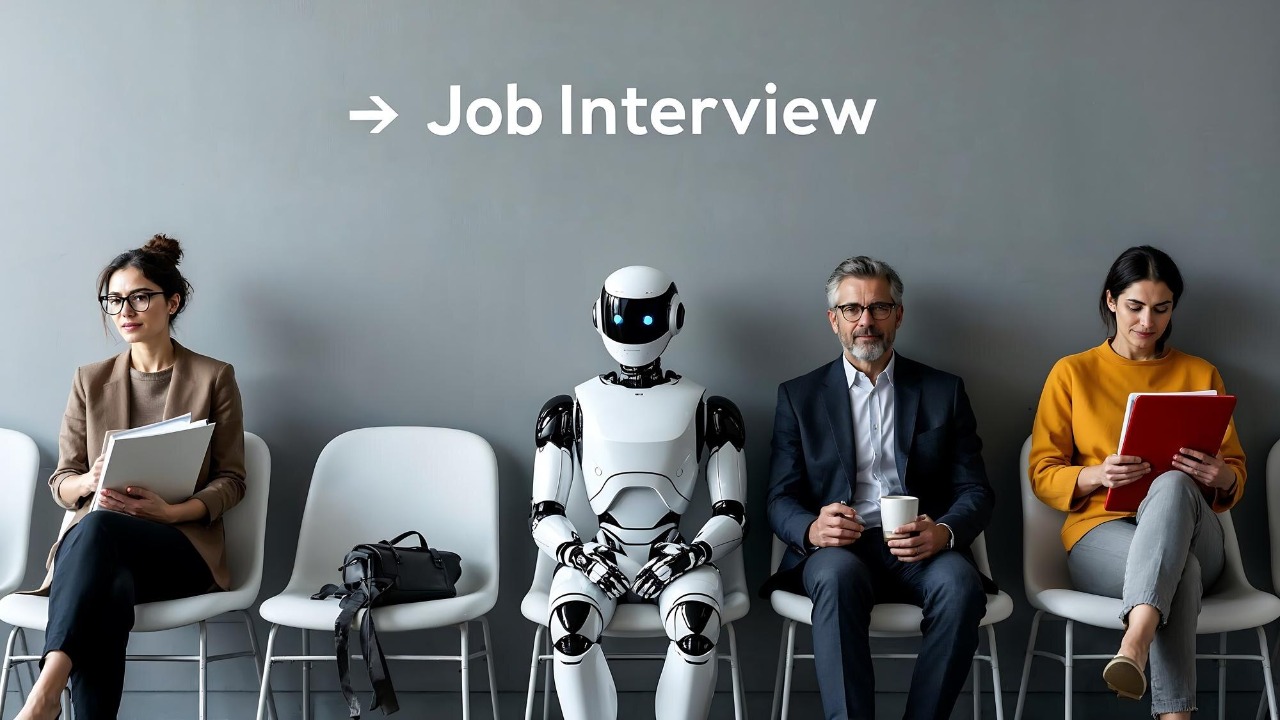
A City executive has issued a stark warning that Gen Z is approaching a breaking point as artificial intelligence transforms graduate hiring processes into a relentless ‘meat grinder’. This alarming assessment highlights the severe strain on young job seekers in London’s financial district, where AI tools are automating and intensifying recruitment. The executive’s remarks suggest an escalating crisis as traditional entry-level opportunities are being eroded by technology’s efficiency demands, potentially sparking a broader revolt among the generation entering the workforce.
The Executive’s Dire Warning
The City executive’s statement that Gen Z is “nearing breaking point” due to AI’s role in graduate hiring underscores the dehumanizing nature of the process. The ‘meat grinder’ metaphor vividly illustrates how young job seekers are being churned through an impersonal system that prioritizes efficiency over human connection. This executive, deeply embedded in London’s financial sector, predicts a potential revolt from Gen Z against these AI-driven practices. The warning, detailed in Business Insider, reflects growing concerns about the impact of technology on the workforce.
In the context of London’s financial district, where these hiring shifts are most acutely felt, the executive’s position carries significant weight. The financial sector, known for its rigorous recruitment processes, is increasingly relying on AI to streamline hiring. This shift has led to a more competitive and less personal job market, where candidates are often reduced to data points rather than individuals with unique skills and aspirations.
AI’s Transformation of Graduate Recruitment
AI algorithms are revolutionizing the initial stages of recruitment by automating screening and assessment processes. What was once a structured entry process has become an overwhelming volume of applications processed impersonally. AI tools often reject candidates en masse based on keyword matches or predictive scoring, contributing to the ‘meat grinder’ effect described by the City executive. This transformation is particularly evident in City firms, where the adoption of AI for efficiency is widespread, amplifying competition for graduates.
Specific examples of AI tools in action include systems that filter resumes based on keyword density or predictive algorithms that score candidates on perceived potential. These tools, while efficient, often overlook the nuanced qualities that a human recruiter might appreciate. As a result, many qualified candidates find themselves excluded from consideration, exacerbating the frustrations of job seekers.
Strains on Gen Z Job Seekers
The psychological toll on Gen Z is significant, with heightened anxiety and burnout resulting from repeated AI rejections in a hyper-competitive graduate market. This generation, entering the workforce around 2025, faces immediate barriers from AI that demand perfect resumes and instant adaptability. The executive’s observations in City hiring trends highlight how Gen Z’s expectations for meaningful early-career roles are clashing with the meat-grinder reality.
Gen Z, known for valuing purpose and impact in their careers, is finding it increasingly difficult to secure roles that align with these values. The impersonal nature of AI-driven recruitment processes often fails to capture the unique strengths and aspirations of individual candidates, leading to a disconnect between job seekers and potential employers.
Implications for the Financial Sector
The potential disengagement of Gen Z from City graduate programs due to AI frustrations poses a risk of talent shortages in the financial sector. This could lead to a loss of fresh perspectives and innovation, which have historically been fueled by a steady intake of graduates. Calls for reform, including human oversight in AI hiring, are growing louder as stakeholders recognize the need to mitigate the breaking point warned about by the executive.
Long-term effects on London’s financial hub could be significant if these issues are not addressed. The sector’s reliance on a continuous influx of new talent is threatened by the dynamics detailed in industry warnings. Without intervention, the financial district risks losing its competitive edge as a global leader in finance and innovation.
More From TheDailyOverview

Grant Mercer covers market dynamics, business trends, and the economic forces driving growth across industries. His analysis connects macro movements with real-world implications for investors, entrepreneurs, and professionals. Through his work at The Daily Overview, Grant helps readers understand how markets function and where opportunities may emerge.

