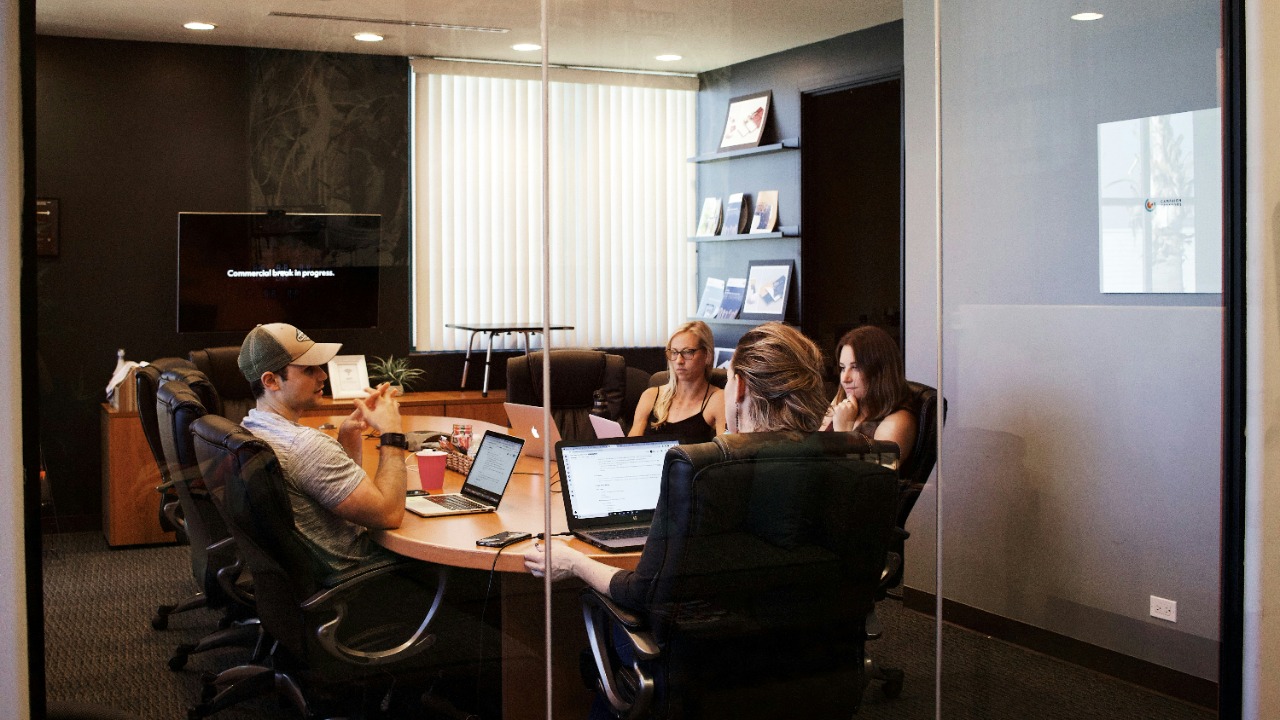
As the first generation to grow up with the internet, Gen Z has brought a new set of expectations to the workplace, especially in remote settings. Many Gen Z employees are embracing non-traditional work habits, leading managers to quietly test new boundaries to adapt and maintain productivity. The evolving dynamics between Gen Z workers and their bosses are reshaping the future of work in significant ways.
The Digital-Native Work Ethic

Gen Z’s workplace habits are heavily influenced by their digital upbringing, which includes a unique perception of multitasking and productivity. Streaming services like Netflix and Spotify are part and parcel of their daily routine, often running in the background during work hours. To many Gen Z employees, this is not a distraction but a way to maintain focus and manage stress. This perspective can be challenging for managers who traditionally equate productivity with undivided attention to work tasks. However, embracing this change could unlock a more engaged and satisfied workforce.
Flexible work schedules are another hallmark of the Gen Z work ethic. Unlike the rigid 9-to-5 schedule, many Gen Z employees prefer to work when they feel most productive, whether that’s early in the morning or late at night. This calls for a balance between autonomy and accountability, which can be achieved through setting clear goals and deliverables rather than tracking hours. Digital communication tools like Slack and Zoom have facilitated this transition, yet they come with their own set of challenges. The informal style of digital communication can sometimes blur professional boundaries, impacting workplace relationships.
The Rise of ‘Quiet Covering’
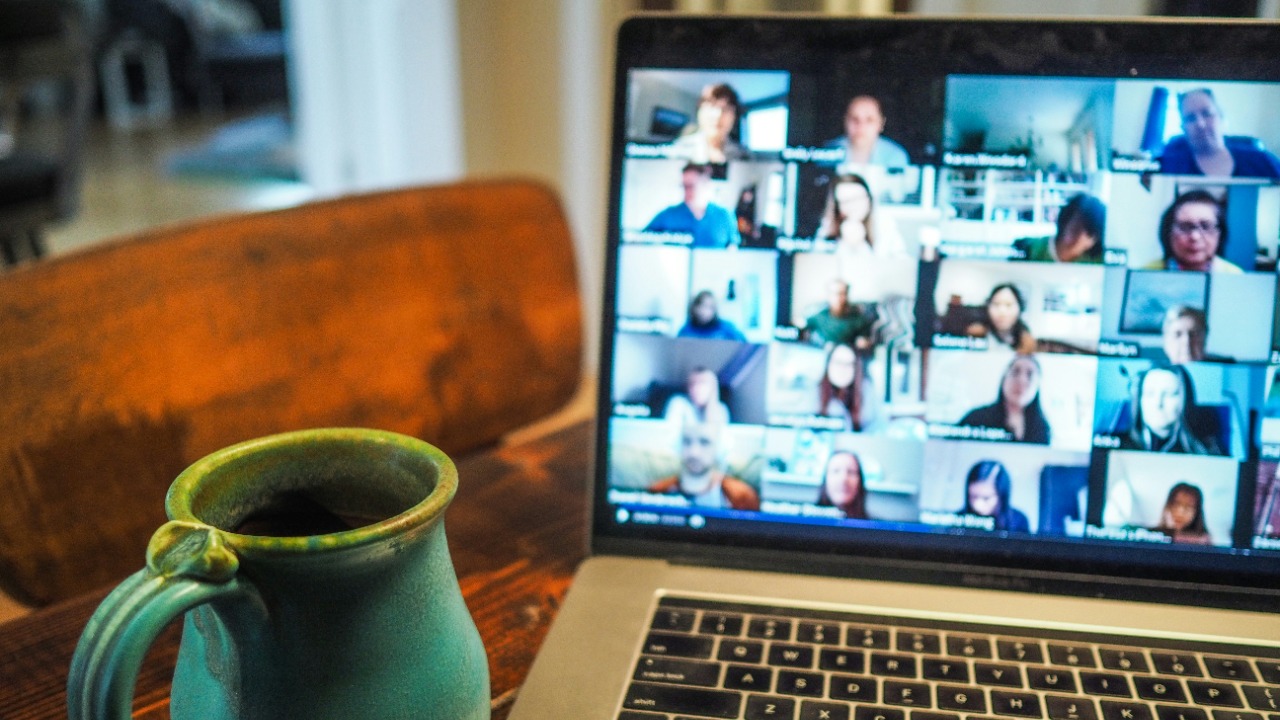
The concept of quiet covering is becoming increasingly relevant as Gen Z employees find ways to conceal their unconventional work habits. This involves using technology to discreetly engage in activities that might be frowned upon in a traditional workplace. For instance, employees might mute themselves during a Zoom meeting to catch up on personal tasks, or use multiple screens to switch between work and leisure activities seamlessly.
While quiet covering allows for a more personalized work experience, it also raises questions about transparency and trust in remote teams. Managers may find it challenging to ensure that employees are meeting expectations without resorting to invasive monitoring techniques. This delicate balance between oversight and privacy is crucial for maintaining a healthy remote work environment. Trust-building activities and regular check-ins can help bridge this gap, fostering a culture where employees feel comfortable expressing their work preferences openly.
Navigating the Overemployed Phenomenon

The trend of holding multiple jobs, known as the overemployed phenomenon, is gaining traction among Gen Z workers. With the flexibility of remote work, some employees are taking on additional roles to maximize their income and diversify their skill sets. However, this trend comes with its own set of legal considerations and company policies that need to be navigated carefully. Employers must be clear about their expectations and any potential conflicts of interest that could arise from dual employment.
The impact of overemployment on team dynamics and employee well-being cannot be overlooked. Juggling multiple jobs can lead to burnout, affecting both individual productivity and team cohesion. Managers need to be proactive in identifying signs of overemployment, such as declining performance or missed deadlines. Open dialogues about workload and capacity can help address these issues before they escalate. By fostering an environment where employees feel supported, companies can mitigate the risks associated with overemployment while still allowing their teams the freedom to explore diverse opportunities.
Challenging Stereotypes: Entitlement vs. Empowerment

Gen Z often faces criticism for being entitled in the workplace, but this stereotype may not be entirely fair. Rather than entitlement, their behavior can be seen as a desire for empowerment and impact. Gen Z employees are looking for meaningful work that aligns with their values and aspirations. This drive for purpose can manifest in various ways, from seeking out companies with strong social responsibility programs to prioritizing roles that offer personal growth and development.
Mentorship plays a crucial role in bridging generational gaps and fostering collaboration between Gen Z and older colleagues. By debunking myths about Gen Z’s work ethic and understanding their motivations, organizations can create an inclusive environment where all employees thrive. Engaging in cross-generational mentorship programs can facilitate knowledge exchange and mutual understanding, ultimately benefiting the entire team. By focusing on empowerment rather than entitlement, companies can harness the full potential of their Gen Z workforce.
Adapting Management Strategies for a New Generation

As Gen Z continues to redefine workplace norms, managers must adopt innovative leadership approaches to engage and retain this new generation of talent. Leveraging technology is key to supporting remote work preferences and enhancing productivity. Tools like Trello and Asana can help streamline project management, while platforms like Microsoft Teams enable seamless communication and collaboration. By integrating these technologies into their workflow, managers can create a more efficient and adaptable work environment.
Creating a culture of feedback and continuous improvement is essential to meeting Gen Z expectations. Regular performance reviews and open lines of communication can provide valuable insights into employee needs and preferences. By actively seeking feedback and implementing changes based on employee input, organizations can foster a sense of inclusion and belonging. This collaborative approach not only boosts morale but also drives innovation and growth, ensuring that both the company and its employees thrive in an ever-evolving landscape.

Grant Mercer covers market dynamics, business trends, and the economic forces driving growth across industries. His analysis connects macro movements with real-world implications for investors, entrepreneurs, and professionals. Through his work at The Daily Overview, Grant helps readers understand how markets function and where opportunities may emerge.

