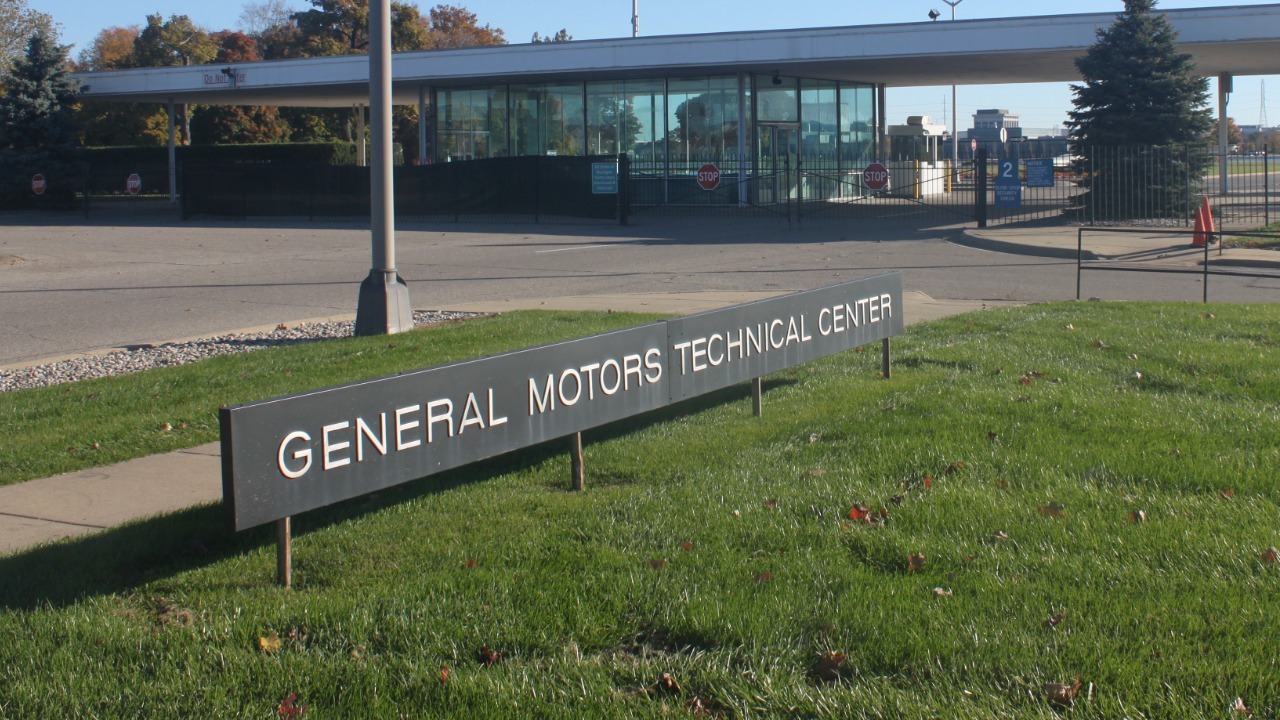
General Motors is cutting 1,140 electric-vehicle jobs at its flagship Detroit plant, a stark reset for a factory once held up as the future of American auto manufacturing. The move turns a showcase for the EV transition into the city’s largest layoff of 2025 so far, and it lands just as workers and local leaders had started to believe the worst of the industry’s volatility was behind them.
I see this as more than a single corporate decision. It is a revealing snapshot of how fragile the EV buildout remains, how quickly investment can reverse, and how exposed workers are when strategy shifts collide with softer demand and shifting regulations.
Factory Zero’s promise collides with EV reality
Detroit’s Factory Zero was supposed to be the proof point that legacy automakers could reinvent themselves around batteries and software without abandoning the workers and neighborhoods that built their brands. Instead, the plant is now the site of a permanent layoff affecting 1,140 employees, a scale that underscores how sharply expectations for near-term EV growth have cooled. The company has confirmed that these are not temporary furloughs but permanent cuts, a decision that effectively rewrites the plant’s role in the city’s economic story.
Earlier this year, the same facility had already shown signs of strain, with reports that General Motors was laying off 200 workers at Factory Zero as demand for its electric pickups and SUVs came in below internal forecasts. That earlier reduction, framed as a response to a market that was “not as strong as GM anticipated,” now looks less like a tweak and more like the first step in a broader retrenchment. The latest decision to permanently cut 1,140 employees at the same Detroit EV Plant, described as Permanently Laying Off Over 1,100 workers, confirms that the company is no longer treating this as a short-term adjustment.
Inside the 1,140-job cut and what it signals
The headline number is blunt: General Motors has scheduled 1,140 employees for permanent layoff at its Detroit EV hub, a figure that makes this the city’s most significant single job loss event of the year. These cuts are part of a broader wave of Automotive industry layoffs that are hitting Michigan and Tennessee at the same time, with the company explicitly tying the move to a reassessment of its electric-vehicle production plans. For the workers on the line, the distinction between a cyclical slowdown and a structural reset is not academic, it determines whether they can expect to be called back or must start over in a different industry.
In filings and public comments, General Motors has framed the decision as a response to slower near-term EV adoption and an evolving regulatory environment, language that first surfaced when the company outlined job cuts in Michigan, Tennessee and Ohio in Oct. At that point, executives said General Motors was realigning EV capacity and even pausing some plant investments beginning in early 2026. The Detroit decision fits squarely inside that strategy: a deliberate pullback from aggressive EV buildout targets in favor of a slower, more demand-driven ramp that leaves hundreds of skilled workers without a clear path back.
Detroit workers at the center of a national EV reset
For Detroit’s Factory Zero workforce, the layoffs are not just a local story, they are the human face of a national recalibration in how fast the United States can move away from gasoline. Company officials told CBS News Detroit in Oct that the pending cuts at Factory Zero Detroit-Hamtramck Assembly would be permanent, and the formal layoff notices now confirm that hundreds of those workers are indeed losing their positions for good. Many of them retrained for EV production after earlier rounds of restructuring, only to find that the new technology did not guarantee job security.
The ripple effects extend beyond the plant gates. Suppliers that retooled to serve the Detroit EV Plant now face lower volumes, and neighborhood businesses that depend on Factory Zero paychecks are bracing for a drop in spending. Industry data shows that Automotive layoffs are hitting Michigan and Tennessee in tandem, with General Motors a central player in both states’ job losses, according to a broader look at how Automotive industry layoffs hit Michigan, Tennessee. When a flagship EV plant in Detroit cuts 1,140 employees, it sends a signal to workers across the Midwest that the transition to electric is not a one-way escalator to stable, high-wage jobs.
A broader pattern of EV pullbacks across states
What is happening in Detroit is part of a larger pattern that has been building throughout the year. In Oct, General Motors acknowledged that it would cut thousands of jobs in Michigan, Tennessee and Ohio as it reassessed how much EV capacity it really needed in the near term. The company cited slower-than-expected EV adoption and an evolving regulatory landscape, a combination that made its earlier production targets look too ambitious. Those comments were not abstract, they foreshadowed concrete decisions to idle lines, delay plant expansions and now permanently reduce headcount at key facilities.
In that context, the 1,140-job cut at Factory Zero is both a local shock and a predictable outcome of a national strategy shift. The same corporate logic that led General Motors to slow-walk some EV investments in Michigan and Ohio is now being applied to Detroit’s showcase plant, even though it was heavily marketed as a cornerstone of the company’s electric future. When executives talk about realigning EV capacity, they are effectively acknowledging that the market for high-priced electric pickups and SUVs is not yet deep enough to keep every line running at full tilt, a reality that has already produced earlier layoffs at Factory Zero and is now culminating in Detroit’s largest EV-related job loss of 2025.
What the cuts reveal about EV demand and policy risk
From my vantage point, the most telling part of this story is how tightly the layoffs are tied to both consumer demand and policy uncertainty. General Motors has been explicit that slower near-term EV adoption is a key driver of its decisions, a nod to the reality that many buyers remain wary of higher sticker prices, charging infrastructure gaps and questions about resale value. At the same time, the company has pointed to an evolving regulatory environment, a phrase that captures shifting federal and state rules on emissions, tax credits and domestic content requirements that can change the economics of EV production almost overnight.
Those crosscurrents help explain why a plant that was once touted as a model for the future is now shedding 1,140 employees. The Detroit EV Plant was built around the assumption that policy support and consumer enthusiasm would move in lockstep, justifying heavy upfront investment in battery platforms and dedicated EV lines. Instead, the company is now permanently laying off over 1,100 workers at the same facility, as documented in the Permanently Laying Off Over 1,100 report, while also navigating broader Automotive layoffs that are hitting Michigan and Tennessee, as shown in the analysis of Automotive industry layoffs. The result is a sobering reminder that the EV transition is not a straight line, and that workers, cities and suppliers are often the ones absorbing the cost of every zigzag.
Detroit’s EV future after the biggest layoff of 2025
Detroit is now left to grapple with a paradox. On one hand, it remains a central hub for EV engineering, battery research and advanced manufacturing, with Factory Zero still symbolically important even after the cuts. On the other hand, the city’s largest layoff of 2025 is unfolding inside that very symbol, as 1,140 employees lose their jobs at a plant that was supposed to anchor the next generation of auto work. The message to local workers is mixed at best: the future is electric, but the path to that future is unstable, and even the most celebrated facilities are not immune to sudden reversals.
As I look at the available reporting, I see a city and an industry at an inflection point. The Detroit EV Plant, highlighted in one detailed overview and revisited in a follow-up look, was designed to showcase how legacy automakers could lead the EV era without abandoning their home base. The decision by General Motors to cut 1,140 employees there, while also trimming jobs across Michigan, Tennessee and Ohio as described in the realigning EV capacity plan, shows how fragile that vision can be when market realities and policy shifts collide. Unverified based on available sources whether Detroit will see those jobs replaced by new EV programs in the near term, but for now, the city’s biggest layoff of 2025 stands as a warning that the electric future will not automatically deliver the stable, abundant work that was promised.
More From TheDailyOverview
- Tennessee loses $2.6B megafactory and faces major layoffs
- Retired But Want To Work? Try These 18 Jobs for Seniors That Pay Weekly
- What to do with your pennies after the U.S. stops minting them
- Home Depot CEO warns of a troubling customer trend in stores

Grant Mercer covers market dynamics, business trends, and the economic forces driving growth across industries. His analysis connects macro movements with real-world implications for investors, entrepreneurs, and professionals. Through his work at The Daily Overview, Grant helps readers understand how markets function and where opportunities may emerge.

