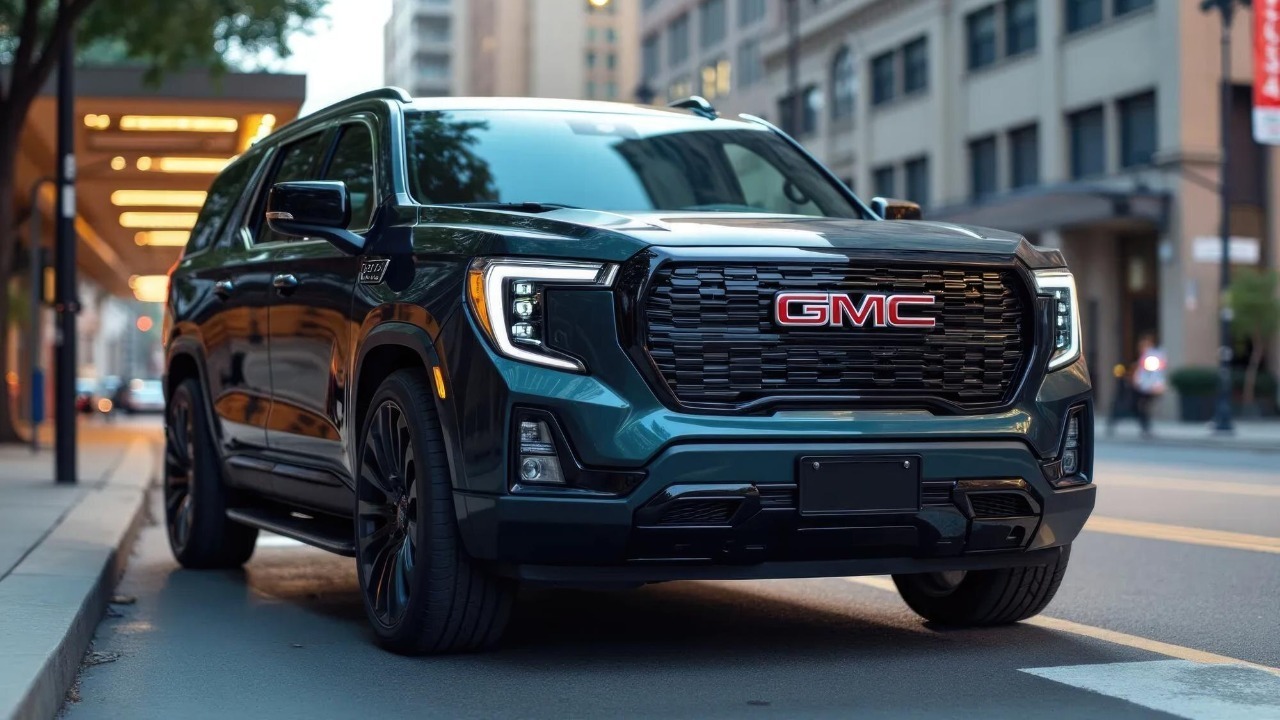
General Motors is cutting 1,750 jobs as it slows the rollout of electric vehicles, a sharp adjustment for a company that has spent years pitching an all-electric future. The move underscores how a cooler market for battery-powered models is forcing even the most aggressive legacy players to rethink production schedules, capital spending, and staffing levels.
I see the cuts as a clear signal that the first wave of EV enthusiasm has given way to a more cautious, cost-conscious phase, where demand is growing but not fast enough to support every ambitious factory plan. GM is not abandoning its electric strategy, but it is recalibrating it around what buyers are actually willing to pay for and how quickly they are willing to switch from gasoline.
GM’s job cuts and a slower EV ramp
GM’s decision to eliminate 1,750 roles reflects a deliberate pullback from the aggressive EV production targets it set earlier in the decade, as management aligns staffing with a more gradual sales trajectory. The company is trimming headcount at facilities tied to its Ultium-based models and related operations, a shift that follows earlier moves to delay or stretch out investments in new EV capacity as demand fell short of internal forecasts. By tightening labor costs in these parts of the business, GM is trying to protect profitability while it reassesses how quickly the market can absorb additional electric models, a strategy that mirrors its broader effort to prioritize margins over sheer volume in North America, as seen in its recent comments on earnings guidance.
The cuts also come after a period of heavy spending on EV platforms, battery plants, and software, which has weighed on GM’s financials even as its traditional truck and SUV lines remained the main profit engines. Management has already signaled that some Ultium-based launches would be staggered and that certain EV capacity expansions would be pushed out, citing both cost pressures and a more cautious consumer. That context helps explain why the company is willing to reduce staffing now, even as it continues to tout a long-term commitment to electrification and to highlight ongoing investments in models like the Chevrolet Equinox EV and Cadillac Lyriq, which it has framed as central to its next phase of growth in recent briefings.
EV demand cools from early hype
The job reductions are landing at a moment when the U.S. EV market is still expanding but at a slower pace than automakers once assumed, particularly in higher price brackets. Early adopters have largely been served, and the next wave of buyers is proving more sensitive to sticker prices, charging access, and interest rates, which has led to softer-than-expected uptake for some premium and mid-size electric models. GM’s own sales mix has reflected this pattern, with strong interest in a few standout nameplates but more modest traction for others, a dynamic that has already prompted the company to adjust production plans and discounting strategies, as described in its latest U.S. sales update.
At the same time, competition from both established rivals and newer entrants is intensifying, particularly in crossovers and compact SUVs where many buyers are shopping. Tesla’s price cuts over the past two years have reset expectations for what an EV should cost, while Korean brands and several Chinese manufacturers have pushed aggressively into value-focused segments, putting pressure on GM’s pricing power. That backdrop helps explain why the company is tempering its near-term EV ambitions, even as it continues to argue that long-run adoption will be driven by lower battery costs, better charging infrastructure, and a broader range of body styles, a view it has reiterated in recent commentary on the state of the market.
Pivot back toward profitable gasoline and hybrids
As EV momentum has cooled, GM has leaned more heavily on its profitable gasoline trucks and SUVs, extending product cycles and refreshing key models rather than rushing to replace them with all-electric versions. The company has already outlined plans to keep high-margin pickups and large SUVs in production longer than originally envisioned, a move that helps stabilize cash flow while EV investments take longer to pay off. This strategy is visible in its decision to prioritize updates to vehicles like the Chevrolet Silverado and GMC Sierra, which remain central to its North American earnings profile, according to its latest quarterly results.
Alongside that renewed emphasis on combustion models, GM is also exploring more hybrid and plug-in hybrid options as a bridge for customers who are not ready to go fully electric. Executives have acknowledged that hybrids can help meet emissions targets and fuel economy rules while easing buyers into electrified drivetrains, especially in segments where towing, range, or charging access remain concerns. That recalibration, which aligns GM more closely with strategies long pursued by Toyota and others, has been highlighted in recent reporting on its product roadmap and regulatory planning.
What the cuts reveal about GM’s EV strategy
From my perspective, the 1,750 job cuts are less a retreat from electrification than a recognition that GM’s first EV blueprint was too optimistic about timing and scale. The company is effectively shifting from a “build it and they will come” posture to a more demand-driven approach, matching factory output and staffing more closely to actual orders and dealer feedback. That shift is consistent with its decision to delay some Ultium launches, re-sequence plant conversions, and focus on models with clearer paths to volume, as outlined in its recent market reassessment.
The restructuring also highlights how central cost discipline has become to GM’s EV narrative, especially after a period of labor disputes, higher input prices, and software-related delays. By trimming roles now, management is trying to reassure investors that it can fund the transition to electric drivetrains without sacrificing near-term returns, a message it has reinforced in its updated profit outlook. I read the move as an attempt to buy time: keeping the EV roadmap intact in broad strokes while slowing the burn rate until consumer demand, charging infrastructure, and regulatory clarity catch up with the original vision.
Implications for workers, suppliers, and the wider EV race
For the 1,750 people whose roles are being eliminated, the strategic logic behind GM’s shift offers little comfort, and the cuts will ripple through local economies that had been counting on EV-related growth. Some affected employees may be able to move into other parts of the company, particularly in operations tied to profitable gasoline models, but others will face a more difficult transition, especially in regions where auto manufacturing is a dominant employer. The impact will extend to suppliers as well, since slower EV production can mean reduced orders for components tied to Ultium platforms and related systems, a risk that has been flagged in recent supply chain coverage.
At the industry level, GM’s retrenchment underscores that the race to electrify is not a straight line and that even large incumbents will adjust course as market realities shift. Other automakers have already taken similar steps, from delaying new battery plants to scaling back EV targets, and GM’s move will likely reinforce a broader pivot toward more balanced portfolios that mix gasoline, hybrids, and EVs for longer than early forecasts suggested. I expect that the companies that navigate this phase best will be those that can flex production between powertrains, manage labor transitions responsibly, and keep investing in next-generation technology even when quarterly numbers argue for caution, a tension that is evident across the latest round of sales data and EV forecasts.
More From TheDailyOverview
- Dave Ramsey says these two simple questions show whether you’re rich or poor
- Retired But Want To Work? Try These 18 Jobs for Seniors That Pay Weekly
- IRS raises capital gains thresholds for 2026 and what’s new
- 12 ways to make $5,000 fast that actually work

Grant Mercer covers market dynamics, business trends, and the economic forces driving growth across industries. His analysis connects macro movements with real-world implications for investors, entrepreneurs, and professionals. Through his work at The Daily Overview, Grant helps readers understand how markets function and where opportunities may emerge.

