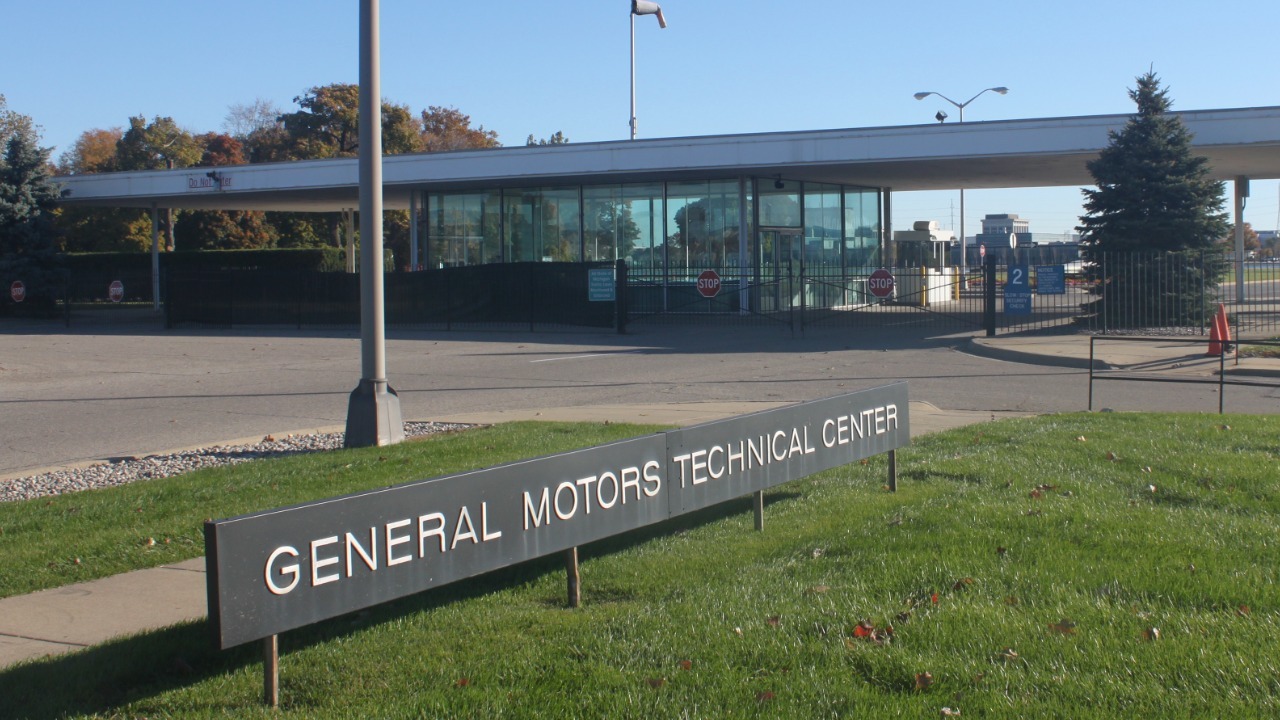
General Motors (GM) recently announced a significant financial setback, revealing it will incur a $1.6 billion charge due to anticipated declines in electric vehicle (EV) demand. This adjustment reflects changes in production plans and inventory levels as market interest in EVs appears to be waning. The announcement highlights the ongoing challenges automakers face in transitioning to sustainable transportation models, underscoring the volatility inherent in the EV market.
GM’s EV Strategy and Recent Adjustments
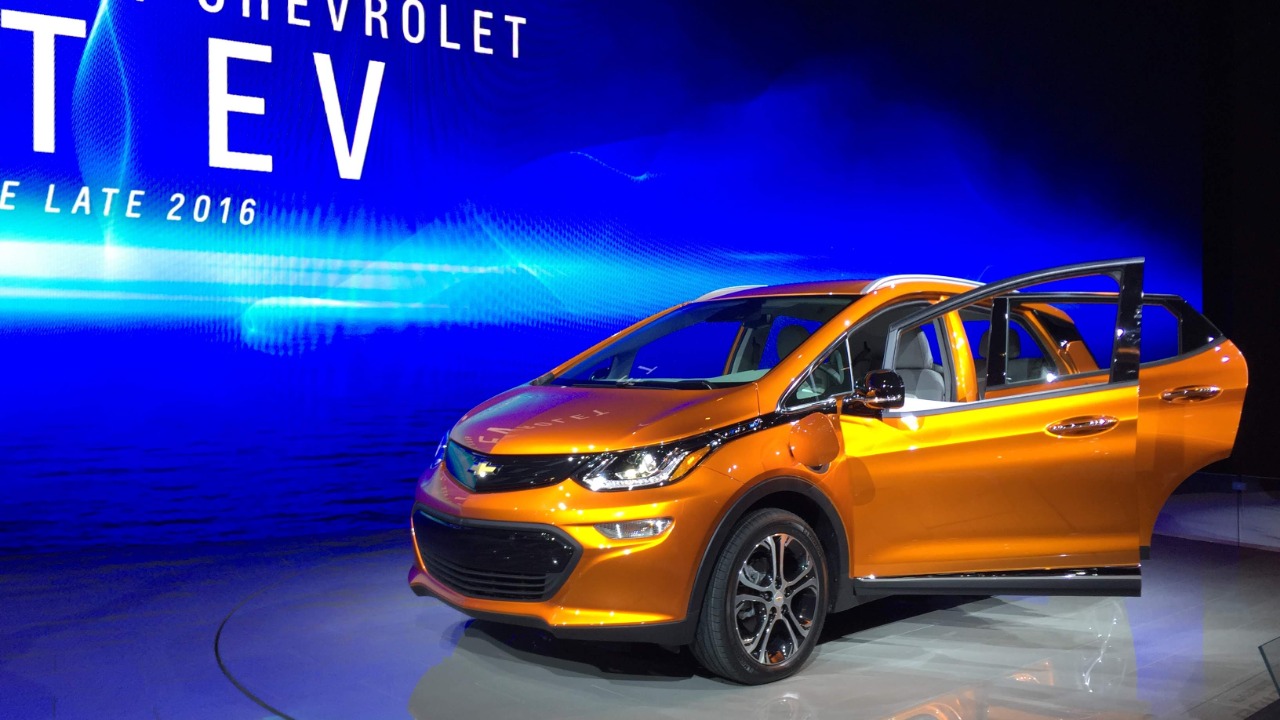
GM has been at the forefront of the automotive industry’s shift towards electrification, with ambitious plans to ramp up EV production. The company had previously set high targets for models like the Chevrolet Bolt and invested heavily in its Ultium platform. However, the $1.6 billion charge indicates a scaling back of these ambitions. This financial hit is a direct result of GM’s need to recalibrate its production and inventory strategies in response to softer-than-expected consumer demand for EVs at its dealerships. The company is now adjusting its approach to better align with current market realities.
The factors contributing to this demand prediction include slower-than-anticipated adoption rates among consumers. GM executives have acknowledged the need to recalibrate their EV inventory, with leadership emphasizing the importance of aligning production with actual market demand. This recalibration is crucial as GM seeks to avoid overproduction and excess inventory, which could further strain its financial resources. The company’s leadership remains committed to its electrification goals but recognizes the need for a more measured approach in the face of these challenges.
Breakdown of the $1.6 Billion Financial Hit
The $1.6 billion charge GM is taking is primarily attributed to costs associated with excess EV inventory write-downs and the suspension of certain production lines. This financial adjustment is necessary to address the mismatch between production output and consumer demand. The immediate impact of this charge is evident in GM’s quarterly earnings, which have been adversely affected by the announcement. Additionally, GM’s stock performance has also taken a hit, reflecting investor concerns about the company’s ability to navigate the evolving EV market landscape.
As GM grapples with these financial challenges, the company is also facing broader market pressures that are influencing EV demand. Rising interest rates have made it more difficult for consumers to afford new vehicles, including EVs, which are often priced at a premium compared to traditional internal combustion engine vehicles. This economic environment has further complicated GM’s efforts to boost EV sales and achieve its electrification targets.
Market Factors Driving EV Demand Drop
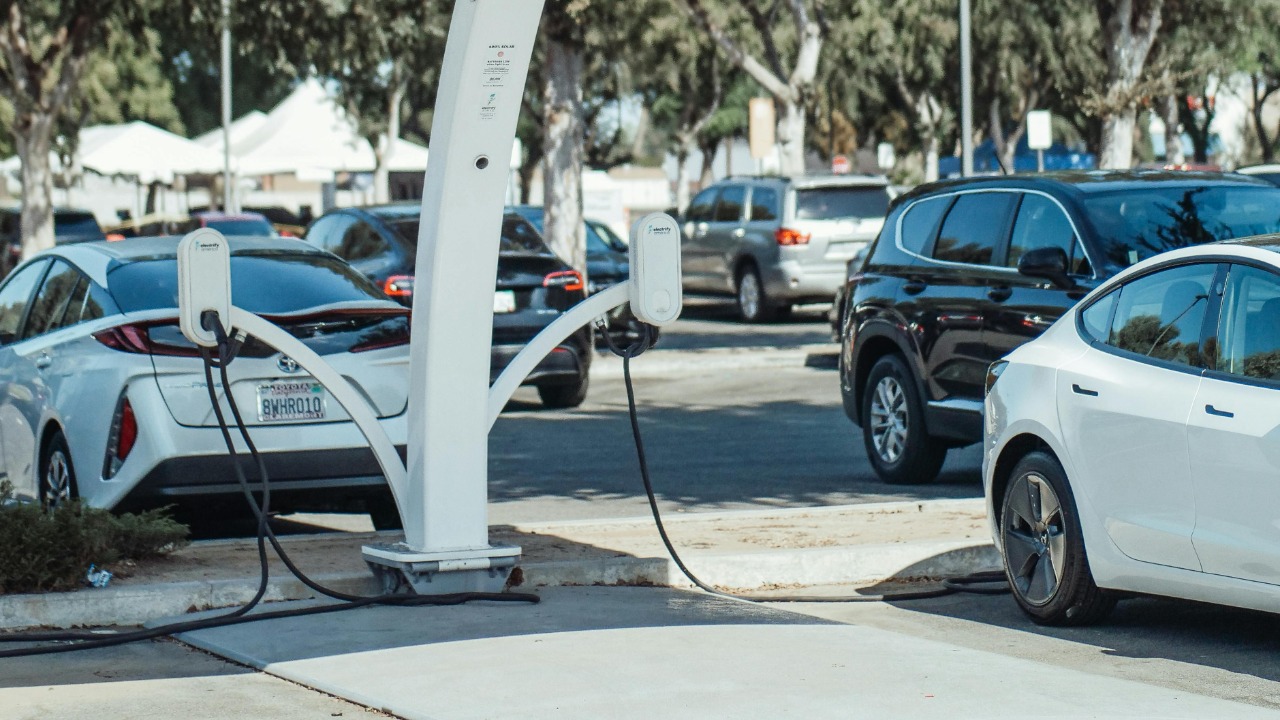
The predicted drop in EV demand is not unique to GM; it reflects broader industry trends that are impacting automakers across the board. Rising interest rates have increased the cost of financing for consumers, making EVs less affordable for many of GM’s target customers. This economic pressure is compounded by the fact that EVs typically have higher upfront costs than their gasoline-powered counterparts, which can deter potential buyers.
GM’s experience mirrors that of other major automakers like Ford and Tesla, who have also faced setbacks in their EV sales forecasts. These companies are navigating similar challenges as they strive to balance production with demand in an uncertain market. The competitive landscape is further complicated by regulatory and incentive influences, such as federal EV tax credits, which play a significant role in shaping consumer demand and automakers’ strategic decisions.
GM’s Path Forward Amid the Setback

In response to these challenges, GM is revising its EV rollout timeline, including delaying the opening of certain factories that were tied to its electrification strategy. These delays are part of the company’s broader effort to align its production capabilities with market demand and avoid further financial strain. GM is also exploring potential strategies to boost EV demand, such as adjusting pricing models and emphasizing hybrid vehicles as a transitional step towards full electrification.
As GM navigates this complex landscape, the company remains focused on its long-term electrification goals. By recalibrating its approach and addressing the immediate challenges posed by the current market environment, GM aims to position itself for future success in the evolving automotive industry. The company’s ability to adapt and innovate will be critical as it seeks to overcome these setbacks and continue its journey towards a more sustainable future.
For more details, you can read the full report on MarketWatch.

Grant Mercer covers market dynamics, business trends, and the economic forces driving growth across industries. His analysis connects macro movements with real-world implications for investors, entrepreneurs, and professionals. Through his work at The Daily Overview, Grant helps readers understand how markets function and where opportunities may emerge.

