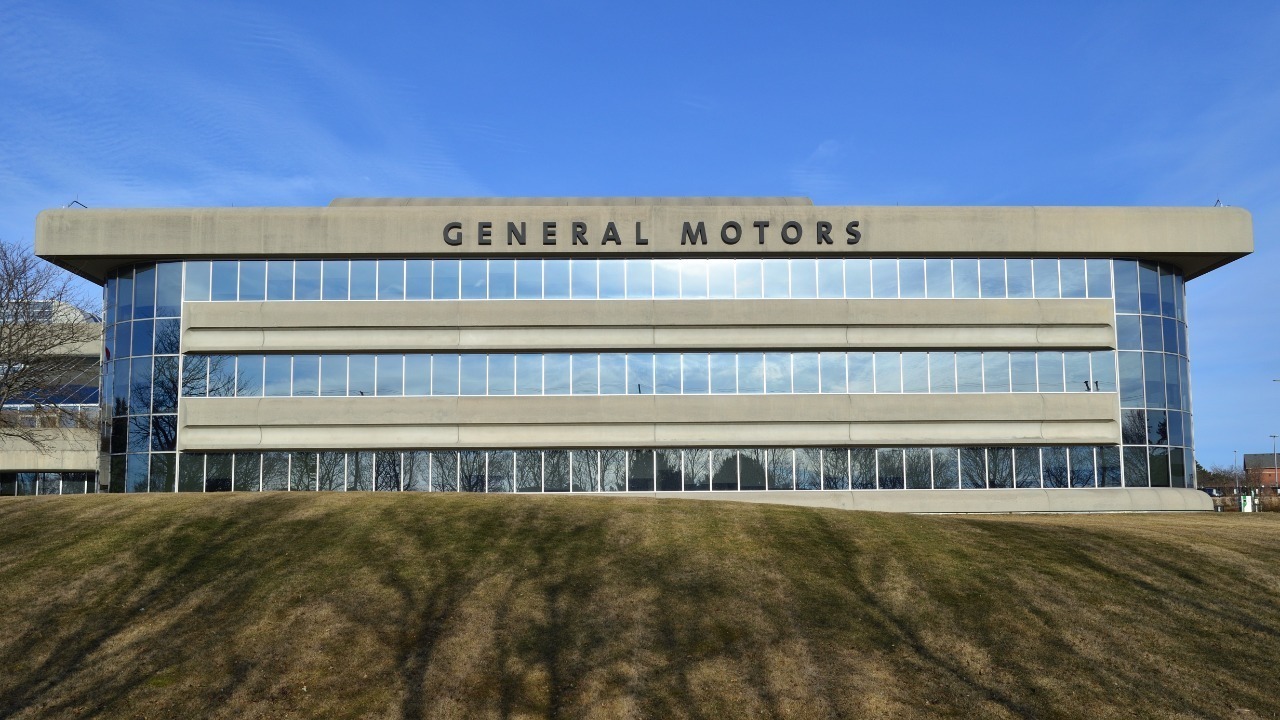
General Motors is no longer just selling cars, it is quietly building a recurring-revenue machine inside the dashboard. The company is layering paid software, driver-assistance and connectivity on top of traditional vehicle sales, turning features that once came baked in into services that bill every month. That shift is already throwing off billions of dollars and is reshaping how drivers will experience, and pay for, their next GM vehicle.
The strategy hinges on scale, from mass-market connectivity to premium systems like Super Cruise, and on a new electronics architecture that lets General Motors update cars more like smartphones. The result is a legacy automaker that increasingly looks like a subscription platform, with investors cheering the predictable cash flow and drivers bracing for a future where more of the car is locked behind a paywall.
From metal margins to recurring revenue
The financial stakes behind GM’s software push are no longer theoretical. General Motors has told investors that its in-vehicle tech services, including connectivity and driver-assistance, are already generating nearly $2 billion a year, a meaningful slice of profit in a business where hardware margins are under constant pressure. The company has also disclosed that $5.4 billion in revenue came from OnStar and Super Cruise in 2025, and it expects that figure to climb as more vehicles ship with the necessary hardware. For a company that has ridden the boom and bust of truck and SUV demand for decades, the appeal of a growing, high-margin software annuity is obvious.
GM telegraphed this ambition several years ago when it said it wanted a subscription business on the scale of a major streaming platform by the end of the decade. Executives framed the goal as building a “Netflix-sized” revenue stream by 2030, powered by its end-to-end software platform Ultifi, which is designed to support both one-time digital purchases and ongoing subscriptions. That long-term target helps explain why General Motors is willing to make controversial product decisions today, from bundling safety features into paid tiers to redesigning its electronics so that every new car can be a node in a software business.
Super Cruise becomes a paid franchise
Nothing illustrates GM’s new model more clearly than Super Cruise, the hands-free driver-assistance system that works on mapped highways. GM says it ended 2025 with more than 620,000 Super Cruise subscribers, up 80% from the previous year, a growth curve that looks more like a consumer app than a traditional car option. Those customers are paying monthly or annual fees to keep the feature active after any initial trial, turning what used to be a one-time technology package into a recurring line item on the household budget.
Behind the scenes, GM has calculated that subscriptions tied to Super Cruise could eventually throw off enormous cash. Internal projections cited in industry analysis suggest that Cruise related subscriptions could yield around $2 billion in annual revenue by 2030, even after accounting for the roughly two billion dollars a year the technology was estimated to cost on top of initial investments. That math helps explain why General Motors is aggressively expanding availability of Super Cruise and its newer Ultra Cruise and why it is comfortable training customers to think of advanced driver assistance as a service rather than a permanent feature.
OnStar and the rise of everyday car subscriptions
While Super Cruise grabs headlines, the quieter workhorse of GM’s subscription pivot is OnStar and its broader connectivity bundle. The company’s own consumer portal markets Onstar and connected services as the gateway to safety, navigation, remote access and in-car Wi-Fi, with tiered plans that scale from basic emergency response to full-featured telematics. Those offerings are central to the $5.4 billion that General Motors booked from OnStar and Super Cruise in 2025, and executives have signaled they want even more.
GM’s chief executive has been explicit that she wants “even greater revenue” from this side of the house, and current pricing shows how that might happen. If you visit the OnStar site today, you will find multiple Subscriptions for vehicles 2025 and newer and separate plans for 2024 and older, with monthly costs that can jump to $14.99 or more depending on the package. That kind of segmentation lets GM monetize both new and existing owners, and it sets the stage for layering additional paid features on top of the connectivity that OnStar already controls.
Engineering the car around software
To make all of this work at scale, GM is re-architecting the car itself. The company is rolling out a centralized computing platform that replaces dozens of separate control modules with a smaller number of powerful processors, a shift that General Motors says will support faster over-the-air updates and more sophisticated driver-assistance and artificial intelligence features. In internal planning, General Motors has tied that architecture directly to its ambitions to add more advanced software and electronic components that can be sold and updated over time.
That same strategy is behind one of GM’s most controversial moves, its decision to cut the cord with phone-mirroring systems. The company Breaking Up With Apple CarPlay and Android Auto For Good, phasing them out by 2028 as its centralized computing architecture comes online. By keeping drivers inside GM’s own infotainment environment, the company gains more control over data, app experiences and, crucially, the ability to sell its own navigation, entertainment and productivity services instead of handing that real estate to tech giants.
Fifty features and a backlash risk
GM is not shy about how far it wants to take this model. The company has outlined plans to launch more than 50 in-vehicle digital services by 2026, ranging from convenience add-ons to performance and personalization tools. Reporting on those plans has been blunt about the consumer impact, noting that Rising new-car prices are already hitting buyers hard and that the industry still wants to extract more money from owners over the next few years. For GM, the bet is that enough drivers will see value in paying for incremental features, especially if they can be turned on and off as needs change.
There are signs, though, that customers are wary of being nickel-and-dimed for what used to be standard equipment. A widely shared video titled GM SHOCKS The Car Market With THIS LATEST NEW’s! highlighted suggestions that by 2028 drivers might be paying extra for “fun” features that once came free, feeding a broader backlash against subscription creep. Another clip on YouTube amplified similar concerns, underscoring how quickly consumer sentiment can turn if owners feel they are being charged twice for the same hardware. GM’s challenge is to keep adding genuine capability, not just software locks, so that drivers feel they are renting real value rather than buying back what they already own.
More From TheDailyOverview
*This article was researched with the help of AI, with human editors creating the final content.

Grant Mercer covers market dynamics, business trends, and the economic forces driving growth across industries. His analysis connects macro movements with real-world implications for investors, entrepreneurs, and professionals. Through his work at The Daily Overview, Grant helps readers understand how markets function and where opportunities may emerge.

