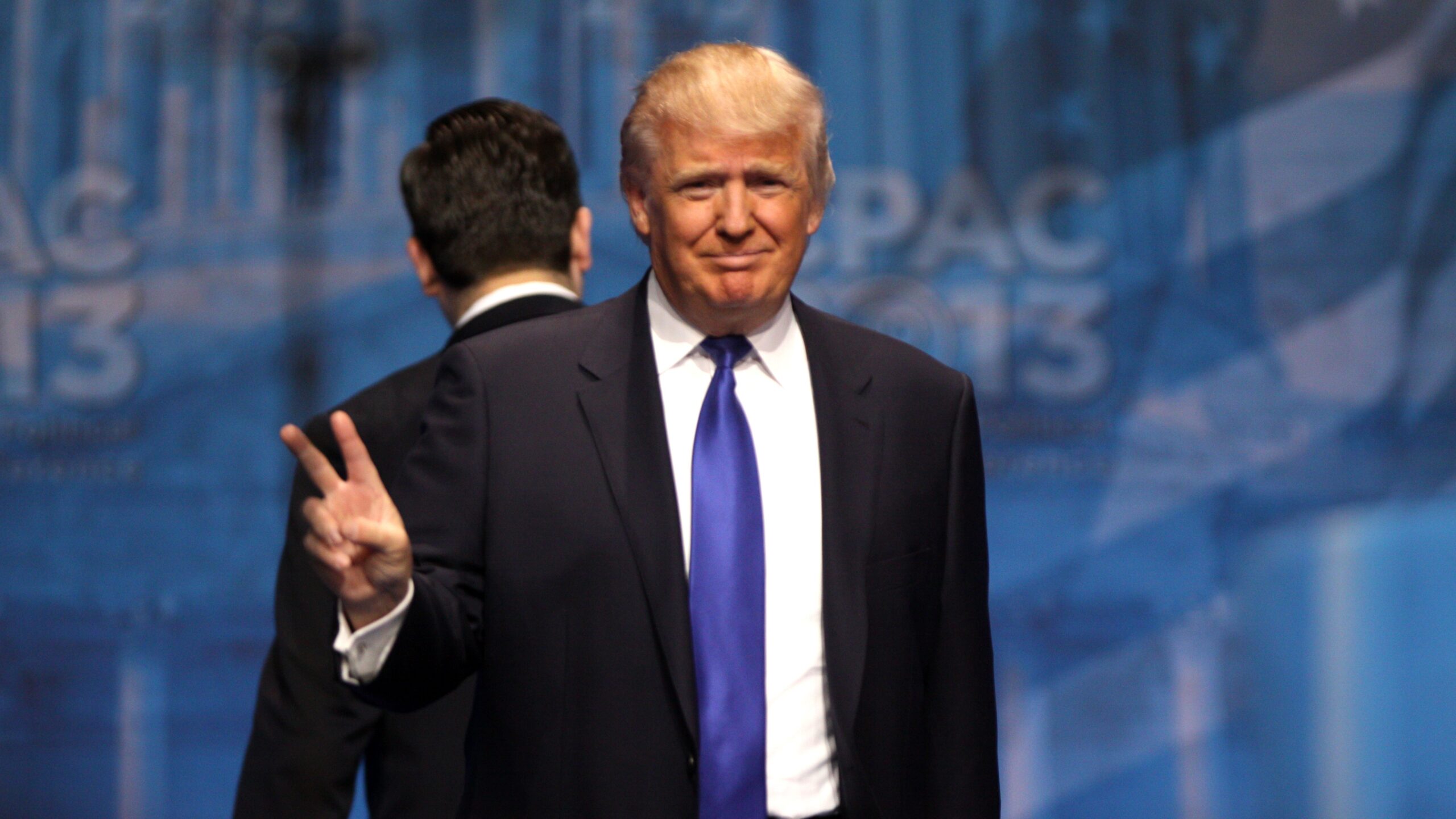
Gold and silver’s long rally hit a wall when President Donald Trump named Kevin Warsh as his choice to lead the Federal Reserve, triggering one of the most violent single‑day selloffs in precious metals in decades. Silver prices collapsed by around a third at their intraday lows, while gold dropped from near record territory as traders abruptly repriced the path of interest rates and the dollar. The move rippled across global markets, hammering stocks and exposing just how crowded the “safe haven” trade had become.
The crash was not only about a new Fed chair, it was about what Kevin Warsh represents to investors: a potential shift toward a more hawkish, inflation‑fighting central bank after years of ultra‑easy money. I see the reaction as a case study in how quickly narrative can flip in modern markets, especially when algorithmic trading, leveraged futures positions and a surging dollar all collide with a political surprise.
The nomination that shocked a crowded trade
President Trump’s decision to select Kevin Warsh for the top job at the Federal Reserve instantly reframed expectations for monetary policy. In official accounts, Trump names Kevin, a former Federal Reserve official, as the next Fed chair to replace Powell, underscoring his desire for a leader who was critical of the central bank’s earlier reluctance to raise rates. Another account notes that President Trump plans to nominate Kevin Warsh to head the Federal Reserve in hopes that War will be more aligned with the administration’s push for tighter policy and a stronger dollar. A separate briefing emphasizes that President Donald Trump said Friday he is nominating Kevin Warsh to be the next Federal Reserve chair, cementing the shift.
Market commentary quickly framed Warsh as one of the more hawkish options under consideration. One detailed analysis of the pick notes that Donald Trump chose Kevin Warsh to lead the Federal Reserve, highlighting his evolution from a crisis‑era insider to a critic of prolonged low rates. Another real‑time market brief, summarizing Medora Lee’s reporting for USA TODAY, describes Warsh as the most “hawkish” of the group of finalists, a label that helps explain why traders immediately priced in higher real yields and a firmer dollar. In that context, the metals crash looks less like an overreaction and more like a brutal repricing of a consensus bet that had assumed the Fed would stay behind the inflation curve.
How the metals rout unfolded
The selling in silver was extraordinary even by the standards of a notoriously volatile market. One live market feed described a “violent selloff” that sent silver prices crashing and gold futures to their biggest one‑day dollar decline on record, with the same session noting that Friday also saw copper tumble. A companion update in the same coverage stressed that silver prices crash in their second worst day on record, a move that market desks tied directly to the choice of a new chairman of the central bank. Social media coverage from Asia echoed the scale of the move, with one post noting that Silver prices plunged, the worst day since 1980, while gold also suffered heavy losses.
Behind the headline numbers, intraday trading was even more chaotic. One granular breakdown of the session, titled as a Timeline, traces how margin changes and a rising dollar amplified the move. It notes that on 13 Jan 2026 the CME Group switched from a fixed‑dollar margin per contract to a 9% percentage margin, citing a CME Group PDF as the source, and argues that this change, hence the higher sensitivity to price swings, left leveraged longs more vulnerable once the selling started. Another detailed market note on Why Silver Price explains that silver fell as much as 33% Today, linking the plunge to the Fed Chair news, a confusing Reuters Panic And Algo Selloff, and automated strategies that dumped positions as liquidity thinned.
Gold’s fall and the dollar’s surge
Gold, which had recently been trading near all‑time highs, was not spared. One commodities report notes that By Reuters, Gold fell below $5,000 per ounce even as it remained on track for its best month since 1999, a reminder of how stretched positioning had become. Another analysis of technical conditions points out that Gold’s RSI recently hit 90, the highest it has been for the precious metal in decades, a level that typically signals extreme overbought conditions and leaves prices vulnerable to any shift in macro narrative. When the Warsh nomination landed, that vulnerability turned into a rout.
The currency backdrop made the selloff even more severe. One mining‑sector dispatch notes that Gold and silver fell as the U.S. dollar rebounded on the prospect of a more hawkish next Fed chair, reversing some of the weakness that had previously supported metals. A separate macro‑focused commentary on markets’ reaction describes how Yesterday evening, as news appeared that Warsh and Trump had met and that Trump would announce the Fed chair nomination, the dollar jumped while Treasuries barely moved, suggesting investors saw less risk of runaway inflation and more of a policy pivot. In that environment, gold’s role as an inflation hedge looked less compelling, and leveraged longs scrambled to exit.
From Fed politics to Wall Street screens
The metals crash did not happen in isolation, it was part of a broader risk‑off move that hit equities and other assets. A live markets blog tracking the session reported that Stocks decline, with the Dow, S&P 500 and Nasdaq sliding as gold and silver crash after Trump picks Kevin Warsh for Fed chair. Another real‑time wrap of the day’s action summarized that U.S. stocks tumbled and gold and silver posted the largest one‑day declines in years after the Warsh news, with USA TODAY emphasizing how quickly sentiment flipped once traders focused on the implications for interest rates. Another market‑wide live blog framed the day as one where Stocks and metals sank together, an unusual pairing that underscored the shock.
On the political side, the nomination also capped a long‑running tension between the White House and the central bank. One detailed policy explainer recounts how President Trump has been frustrated with what he saw as the Fed’s slow response to inflation and wanted a chair more willing to raise rates and “buck pressure” from markets. Another backgrounder on the Federal Reserve notes that Warsh had previously criticized the Fed for not cutting interest rates quickly enough in past downturns, but in the current context investors interpret his stance as favoring tighter policy to restore credibility. That ambiguity, combined with the speed of the announcement, left traders with little time to parse nuance, so they defaulted to selling anything that had benefited from ultra‑low real yields.
Why silver took the brunt
While gold fell hard, silver’s collapse was in a different league, reflecting its dual role as both precious metal and industrial commodity. One focused report on the day’s carnage notes that Silver plummets after Trump taps Kevin Warsh to chair the Federal Reserve, with the price of Silver dropping sharply on Friday following Preside Trump’s announcement. Another social‑media‑driven update from Asia reiterates that Silver prices plunged by 30%, the worst day since 1980, underscoring how much speculative money had piled into the trade. A separate macro note on Warsh and Trump’s impact describes how silver collapsed while the dollar jumped and cryptos sank, painting a picture of broad deleveraging.
Microstructure and news flow also mattered. The detailed breakdown of Why Silver Price Today ties the move not only to the Fed Chair announcement but also to a confusing Reuters Panic And Algo Selloff, where a Reuters communication about market conditions appears to have triggered algorithmic selling. The same analysis notes that News of the Fed Chair pick hit just as liquidity was thin, amplifying every order. Combined with the earlier Across the Markets style Timeline that highlighted CME’s margin changes, the picture that emerges is of a market primed for a blow‑off top. When the catalyst arrived, the exit door was far too small.
More From TheDailyOverview
*This article was researched with the help of AI, with human editors creating the final content.

Grant Mercer covers market dynamics, business trends, and the economic forces driving growth across industries. His analysis connects macro movements with real-world implications for investors, entrepreneurs, and professionals. Through his work at The Daily Overview, Grant helps readers understand how markets function and where opportunities may emerge.

