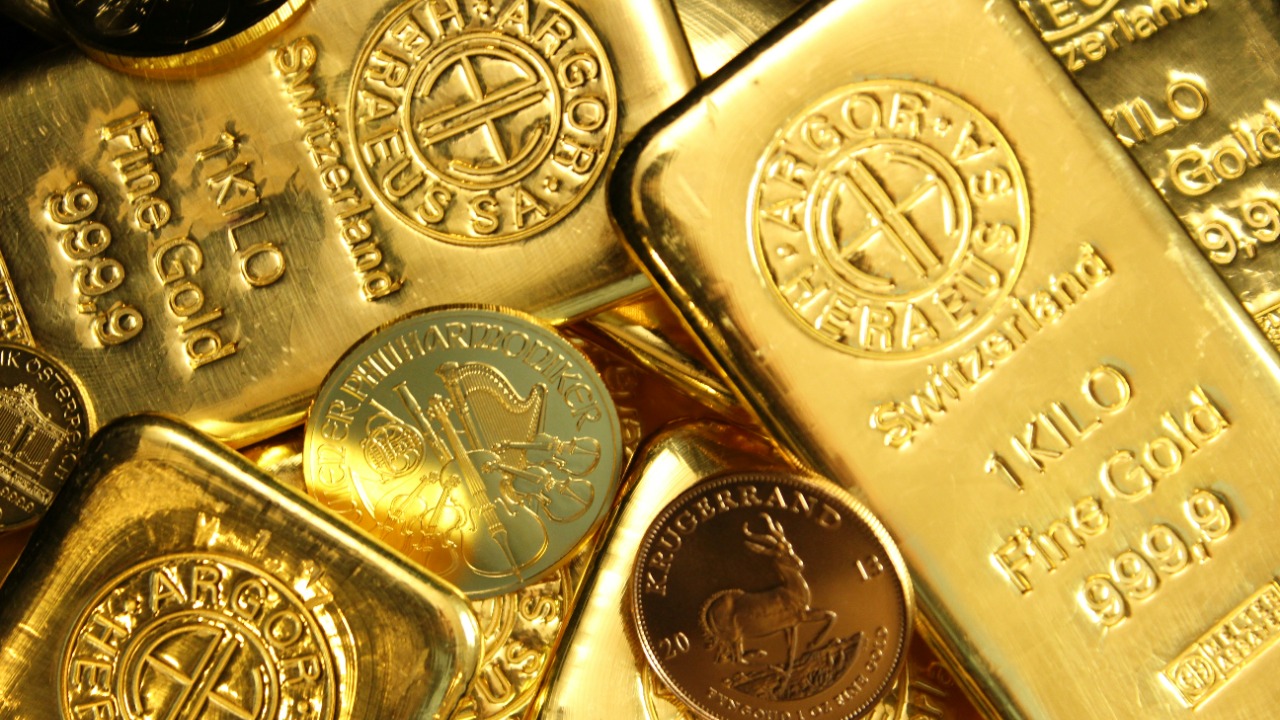
Gold is grinding higher as traders increasingly price in interest rate cuts from the Federal Reserve and brace for the next major inflation reading. The metal’s latest climb reflects a broader shift in expectations that the central bank’s tightening cycle is ending, which is weakening the dollar and reviving demand for traditional safe havens. With the next consumer price data looming, the stakes for both bullion and bond markets are rising together.
That combination of softer inflation hopes and aggressive Fed cut bets has already pushed gold toward recent highs and kept it on track for weekly gains. The question now is whether incoming data will validate those wagers or force a sharp rethink, with ripple effects for everything from exchange traded funds to jewelry demand and central bank reserves.
Fed cut bets tighten their grip on gold
The core driver of gold’s latest move is the market’s conviction that the Federal Reserve is closer to cutting than hiking, a shift that directly lowers the opportunity cost of holding a non yielding asset. Traders are leaning heavily on tools that translate futures prices into probabilities, with the CME FedWatch gauge now central to how investors handicap the next few policy meetings. As those implied odds tilt toward rate reductions, real yields tend to ease and the dollar softens, both of which historically support bullion.
That same logic underpins the way The CME FedWatch Tool is described as working, since it analyzes Fed Funds futures to infer the market’s view on the next move by the Fed. When those contracts price in a higher chance of cuts, gold often responds more quickly than slower moving economic data, effectively front running the macro narrative. I see that dynamic playing out again now, with bullion trading less on current inflation and more on where policy is expected to be six to twelve months from today.
Inflation data looms as the next big test
All of that optimism about easier policy is colliding with a hard calendar of inflation releases that could either cement or shatter the current consensus. The Bureau of Labor Statistics has already laid out its schedule of CPI releases, and traders know that each update can jolt expectations for the path of rates. The Consumer Price Index remains the Fed’s most visible inflation benchmark, even as officials emphasize a broader dashboard of indicators.
According to the BLS, the agency has flagged the Next Release of headline data, noting that “The Consumer Price Index for November” is scheduled at a specific time that markets are already circling. I expect gold traders to treat that moment as a binary event: a softer reading would validate the current rally and deepen rate cut bets, while a surprise re acceleration could trigger a fast unwind. In practice, that means volatility around the release is likely to be elevated, especially for leveraged products tied to bullion.
Spot prices and a historic rally in focus
On the screen, the move in gold is visible in both intraday charts and longer term trend lines that show the metal grinding toward record territory. Live pricing from bullion dealers highlights how the Gold Spot Price has been fluctuating around the $4,200 mark, with the table of Gold Spot Prices, Gold Price and Change underscoring how even small percentage moves now translate into large dollar swings. For investors who bought into the rally earlier in the year, that volatility is a feature rather than a bug, since it reflects deep liquidity and intense positioning.
Momentum has been especially notable in recent sessions, with one market wrap noting that Gold was on pace for a weekly win as “momentum” drove what was described as a historic 2025 rally heading into Frida. Earlier in Nov, spot prices even touched a six week high on a Monday as risk off sentiment in equities and a softer dollar pushed more money into the metal, a move captured in coverage of how gold prices rose while investors rotated out of higher yielding assets. I read those episodes as evidence that bullion is again behaving like a barometer for both macro anxiety and currency trends.
Why rate expectations matter so much for bullion
To understand why gold is so sensitive to the Fed, it helps to look at the broader history of policy rates. Data compiled on the Interest Rate of Financial Instrument: Years 1, Federal Fund series shows how the Federal Reserve has moved benchmark borrowing costs over decades, with the current cycle ranking among the sharpest tightening campaigns since the 1980s. When those rates rise, the appeal of cash and short term bonds increases, which typically pressures gold. When markets anticipate cuts, that pressure eases and the metal tends to catch a bid.
Recent reporting on the latest leg higher in bullion explicitly ties the move to expectations that the Federal Reserve will pivot, with one account noting that Gold gained on a Friday as rate cut bets built ahead of inflation data, in a piece By Anmol Choubey Dec for Reuters. I see that as a textbook example of how macro narratives filter into commodity pricing: traders do not wait for the Fed to actually cut, they move as soon as the probability distribution shifts, and gold is often the first asset to reflect that change.
From forecasts to portfolios: how investors are positioning
Beyond the immediate trading reaction, the latest surge in bullion is reshaping how strategists talk about long term allocations. One widely discussed forecast from brokerage Ventura, cited by writer Pranati Deva, projects that gold prices could touch $4,600 to $4,800 in 2026 if central banks keep buying and real rates stay contained. Those specific targets, $4,600 and $4,800, are aggressive by historical standards, but they capture the mood among some analysts who see the current move not as a blow off top but as part of a multi year bull market in the metal.
For individual investors, translating those forecasts into action requires reliable pricing and data tools, which is where platforms like Google Finance and specialist bullion charts come into play. I often see readers cross checking spot prices from dealers with streaming quotes on brokerage apps and financial dashboards, a habit that mirrors how equity traders track names like GCI. One explainer on GCI notes that the stock’s price fluctuates daily and that You can check real time quotes on platforms such as Yahoo Fin or Google Finance for the most accurate update, a workflow that increasingly applies to gold as well.
What could derail the rally from here
For all the bullishness, the path ahead for gold is far from one way. A key risk is that inflation proves stickier than expected, forcing the Fed to keep rates higher for longer and undermining the very cut bets that have powered the latest leg up. If upcoming CPI readings surprise to the upside, the same FedWatch probabilities that now favor easing could swing back toward a prolonged hold or even renewed tightening, which would likely pressure bullion and strengthen the dollar.
Another potential spoiler is a sharp rebound in risk appetite that pulls money out of safe havens and back into equities and higher yielding credit. Earlier in Nov, when Gold prices rose to a six week high on a Monday, the move was explicitly linked to risk off sentiment in equities and a lower dollar, a reminder that flows can reverse quickly if stock markets stage a convincing rally. In that scenario, I would expect some of the hot money that chased bullion higher to rotate back into growth names, even if long term holders stick with their hedges.
More From TheDailyOverview
- Tennessee loses $2.6B megafactory and faces major layoffs
- Retired But Want To Work? Try These 18 Jobs for Seniors That Pay Weekly
- What to do with your pennies after the U.S. stops minting them
- Home Depot CEO warns of a troubling customer trend in stores

Elias Broderick specializes in residential and commercial real estate, with a focus on market cycles, property fundamentals, and investment strategy. His writing translates complex housing and development trends into clear insights for both new and experienced investors. At The Daily Overview, Elias explores how real estate fits into long-term wealth planning.

