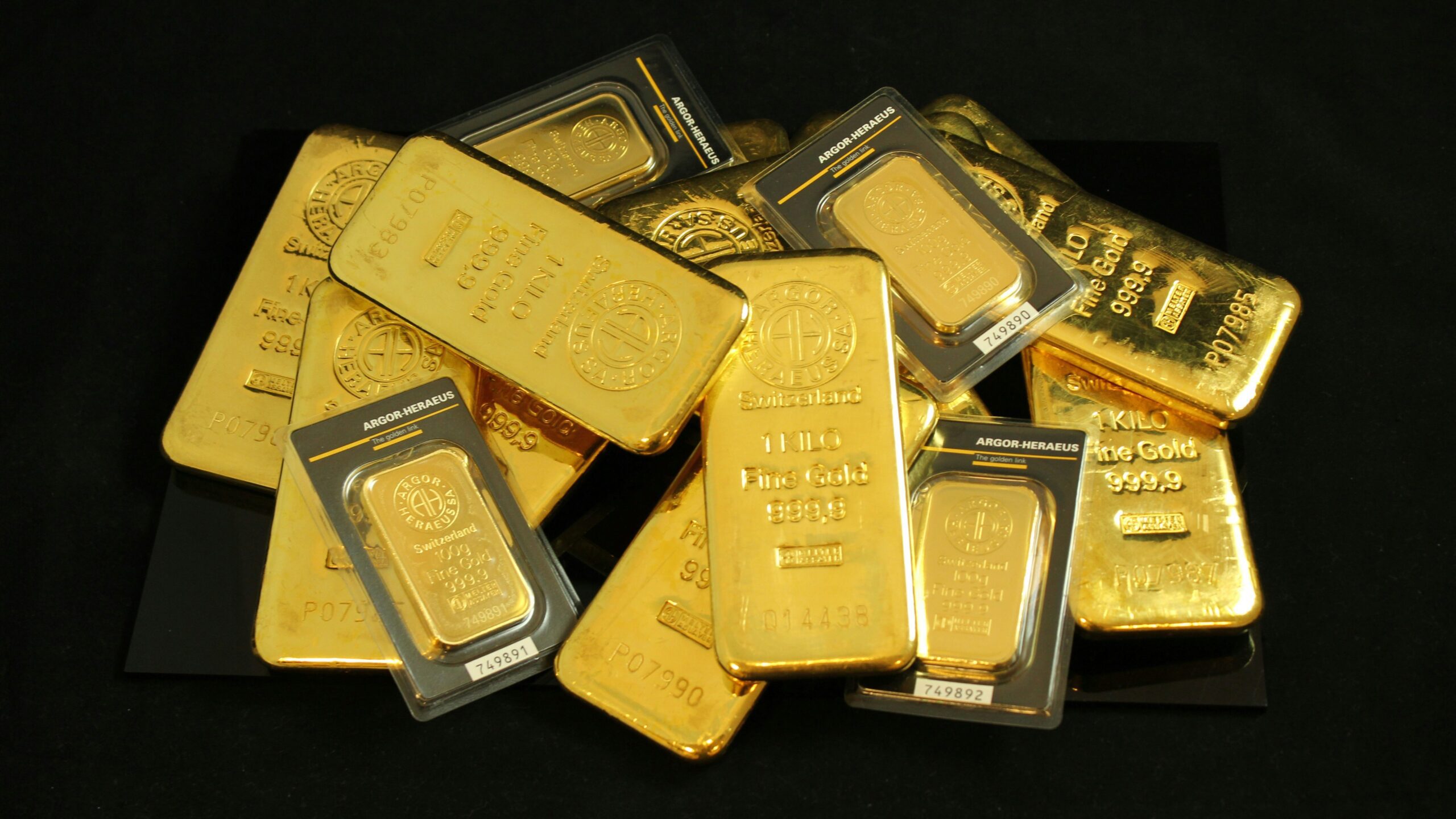
Gold is no longer trading to the old script. A powerful new class of buyers has stepped in, prices are grinding toward levels that once sounded fanciful, and the traditional playbook that tied bullion neatly to interest rates and the dollar is starting to look outdated. I see a market being repriced in real time as central banks, institutions and retail investors all respond to a world that feels structurally less stable.
The shift is not just about a higher chart, it is about who now sets the marginal price. For decades, Western traders and jewelry demand dominated the rhythm of gold. Today, official reserves, exchange-traded funds and a new wave of strategic buyers are reshaping that balance, and with it the rules that used to govern when gold should rise or fall.
The new buyer in town and why the old rhythm broke
For much of the modern era, gold moved in a familiar cycle, rising when real yields fell or the dollar weakened, then giving back gains when policy tightened. That pattern has frayed as a new, price-insensitive buyer has emerged: central banks and large institutions that treat bullion less as a trade and more as long term insurance. Reporting on the latest surge in demand describes how this structural bid has helped push gold toward the 5,000 dollar mark as part of a broader revaluation of safe assets.
In that context, the idea that gold simply tracks rate expectations looks increasingly incomplete. Analysts now talk about bullion undergoing a sustained re rating as cracks appear in the post World War II rules based order, with demand coming simultaneously from private investors and central banks. When the marginal buyer is a reserve manager looking decades ahead rather than a hedge fund chasing quarterly performance, the market’s sensitivity to short term macro data naturally diminishes.
Central banks, record reserves and a geopolitical hedge
The most visible expression of this new demand is the way central banks have been stockpiling bullion. Data on official sector activity shows that Central Bank Gold to Record Levels in 2025, with policymakers explicitly framing gold as protection against Economic Uncertai and potential sanctions risk. China has maintained its position as a leading buyer, lifting its holdings to hundreds of tonnes as of June 2025, while a range of emerging markets have followed suit to diversify away from the dollar.
When reserve managers behave this way, they are not trying to time the next Federal Reserve meeting, they are responding to a sense that the global financial architecture is fragmenting. That is why the same analysis that documents these record levels of buying also highlights the strategic logic: gold is one of the few assets that is no one else’s liability. In a world where sanctions can freeze reserves overnight, that quality has become more valuable than any carry trade.
From macro trade to structural allocation
Institutional research now treats gold less as a tactical hedge and more as a core allocation. Analysts at one major bank note that gold prices soared in 2025, driven by tariff uncertainty and strong demand from ETFs and central banks, and they expect that dynamic to persist as geopolitical stress remains elevated. In their detailed outlook, they emphasize that while the rally has been impressive, it is rooted in fundamental shifts in how investors think about diversification.
That same team stresses that, rally in gold has been strong, the metal still behaves as a classic safe haven in times of geopolitical stress. I read that as a reminder that the new structural bid does not erase gold’s old role, it layers on top of it. The result is a market where cyclical macro forces still matter, but they are now working against a backdrop of steady, policy driven accumulation that keeps a floor under prices.
Why the dollar and rates no longer tell the whole story
For years, the cleanest way to think about bullion was through its inverse relationship with the United States currency. A stronger dollar usually meant weaker gold, and vice versa. Recent analysis of the relationship between gold argues that this link has been complicated by shifts in monetary policy, stubborn inflation risks and rising geopolitical tensions. In other words, the macro backdrop has become messy enough that the old one factor models no longer capture reality.
That does not mean the dollar has stopped mattering, only that it now competes with other drivers. When central banks are buying for strategic reasons and investors are worried about inflation that refuses to die, the usual headwind from a firm currency can be overwhelmed. The same research on recent shifts in monetary policy notes that stubborn inflation risks have kept demand for hedges alive even as nominal yields rise, a combination that would once have been considered hostile to gold.
Volatility, “greater fool” fears and the ETF crowd
Not everyone is convinced that this new era is entirely benign for investors. One detailed blog on the 2025 boom argues that Gold is a greater fool investment, warning that buyers often pile in not because they expect a fundamental return, but because they hope to sell to someone even more optimistic. The same piece points out that gold is especially jumpy when sentiment shifts, with relatively small changes in positioning able to trigger sharp moves in the gold price.
I take that critique seriously, particularly when I look at the role of exchange traded funds like GLD, SPDR, Gold Shares and IAU. Coverage of the latest rally notes that these vehicles have become key conduits for retail and institutional flows, amplifying both upside and downside as investors trade them like any other liquid security. When By Piero Cingari describes how a new buyer has entered the market, the implication is that ETF driven demand now sits alongside central bank accumulation, creating a feedback loop where price strength attracts more flows.
More From TheDailyOverview
*This article was researched with the help of AI, with human editors creating the final content.

Grant Mercer covers market dynamics, business trends, and the economic forces driving growth across industries. His analysis connects macro movements with real-world implications for investors, entrepreneurs, and professionals. Through his work at The Daily Overview, Grant helps readers understand how markets function and where opportunities may emerge.